
Digital Traceability Systems: How IoT & VIN Dossiers Rebuild Reman Credibility?
Introduction
A major barrier holding back heavy‑duty reman adoption has long been trust. Buyers cannot easily verify what work was performed, whether testing standards were followed, or if the truck’s condition has degraded since delivery. Word-of-mouth assurances and simple paper certificates are easy to forge or misplace.
REMAN ROAD’s digital reman traceability system combines fixed VIN‑bound dossiers with lightweight IoT telemetry, creating a persistent asset record that travels with the truck for its entire second life. This shift from subjective claims to data-backed accountability rebuilds industry credibility for remanufactured heavy vehicles.
The VIN dossier: a permanent, immutable rebuild passport
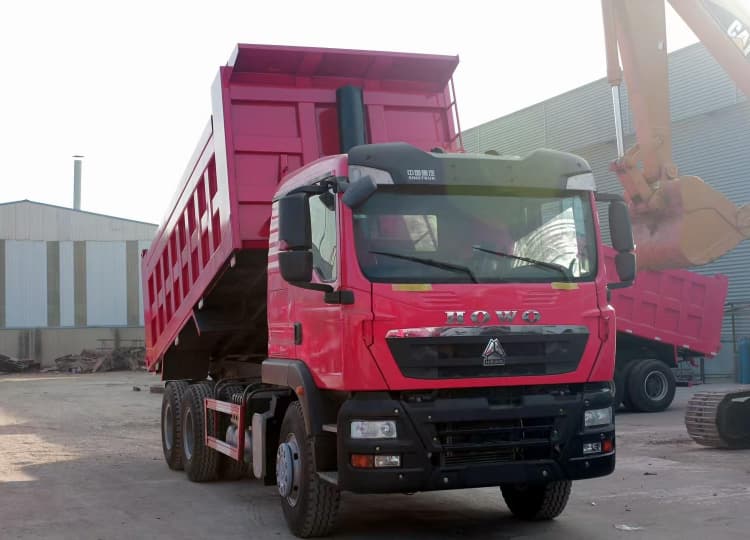
Every standard reman vehicles gets a unique digital dossier anchored to its VIN number. It is created at the start of the rebuild and cannot be overwritten retrospectively. Inside the dossier sits the full audit trail: core screening results, NDT structural inspection reports, component serial numbers, powertrain dyno logs, brake cycle test data, technician sign-offs, third-party audit records and warranty activation dates.
Unlike loose paper certificates, this dossier is accessible to authorised stakeholders — fleet managers, site safety teams, insurers and future buyers — via a simple lookup tied to the VIN. When the truck changes hands, the evidence transfers automatically. It answers the core buyer question: What exactly was rebuilt, and what proof exists? This eliminates the “trust me” dynamic that plagues ordinary used and refurbished truck sales.
IoT telemetry adds live, continuous condition context
The static VIN dossier captures the state of the truck at the point of release. IoT telemetry extends that traceability into real operation. Onboard sensors log operating hours, load cycles, brake events, coolant temperature, oil pressure, fault codes and gradient exposure. The data is timestamped and linked back to the same VIN record.
This creates two layers of credibility. First, maintenance teams can see whether the truck is being operated within the duty profile it was rebuilt for. If a reman vehicles built for moderate aggregate haulage is repeatedly run at maximum payload on steep mine benches, the system flags the mismatch early. Second, if a fault occurs, technicians do not start troubleshooting blind. They can cross-reference the rebuild baseline, historical test data and recent operating patterns to isolate root causes faster. Telemetry turns the dossier from a one-time delivery report into a living lifecycle log.

Standardised data simplifies mobilisation, insurance and cross-border compliance
Site mobilisation and cross-border export rely heavily on repeatable documentation. Regulators and insurance underwriters struggle with inconsistent, manually prepared inspection slips. The combined IoT + VIN dossier system delivers standardised, machine-readable evidence. Insurers can price risk more accurately because they have verified rebuild quality plus real usage data, rather than only relying on seller declarations.
For export fleets moving reman vehicles across borders, the digital record reduces inspection delays. Customs and local safety authorities can pull the full rebuild history remotely, without requiring physical re-survey of every chassis. This makes standard reman vehicles easier to validate than generic used trucks, which usually lack any structured digital trace.
Reducing fraud and quality drift across the reman ecosystem
Without reman traceability system, bad actors can label basic refurbishment as certified reman, eroding confidence for the whole sector. VIN-locked dossiers create a clear authentication mechanism. Any unit marketed as REMAN ROAD certified can be checked against the central record. If a truck’s VIN has no matching rebuild dossier, the buyer immediately knows the reman claim is unsubstantiated.
Over time, the aggregated IoT dataset also helps refine reman standards. The manufacturer can identify which rebuild components show higher wear under specific route conditions, then adjust tolerances, part selection or testing protocols. This feedback loop lifts the overall quality baseline of the programme.

Transparency for ESG and Scope 3 reporting
Circular economy and Scope 3 carbon claims are under growing scrutiny. A VIN reman traceability system provides granular, auditable proof of lifecycle extension: each truck’s scrap diversion, avoided embodied carbon and second-life utilisation can be quantified per asset.
Instead of broad sustainability statements, fleets can submit VIN-linked records to auditors, clients and ESG reporting frameworks. This turns reman’s environmental benefit from marketing language into verifiable KPIs.
Conclusion
Digital reman traceability system built around VIN dossiers and IoT telemetry solves the foundational trust problem for standard reman vehicles. It separates documented remanufacturing from unproven refurbishment by creating a continuous, transferable evidence trail. For fleet buyers, this means reman credibility is no longer based on reputation alone; it is embedded in the truck’s permanent digital identity.


One Comment