
NDT 4.0: Ultrasonic, Magnetic Particle & Digital Radiography in Reman QA
Introduction
Traditional NDT in heavy vehicles reman relied on physical test media, handwritten reports and subjective interpretation of indications. Inspectors could spot obvious cracks, but subtle subsurface fatigue, weld discontinuities and casting inclusions were easy to miss or inconsistently documented.
NDT 4.0 transforms structural inspection by combining proven inspection methods — ultrasonic testing (UT), magnetic particle testing (MPT) and digital radiography (DR) — with digital scanning, AI-assisted signal review and automatic report syncing into the VIN traceability dossier.
For REMAN ROAD heavy vehicles reman, this means frame rails, crossmembers, suspension lugs and tipper mount points are inspected with repeatable, auditable structural testing, eliminating the risk of releasing fatigued cores into mining and earthworks fleets.
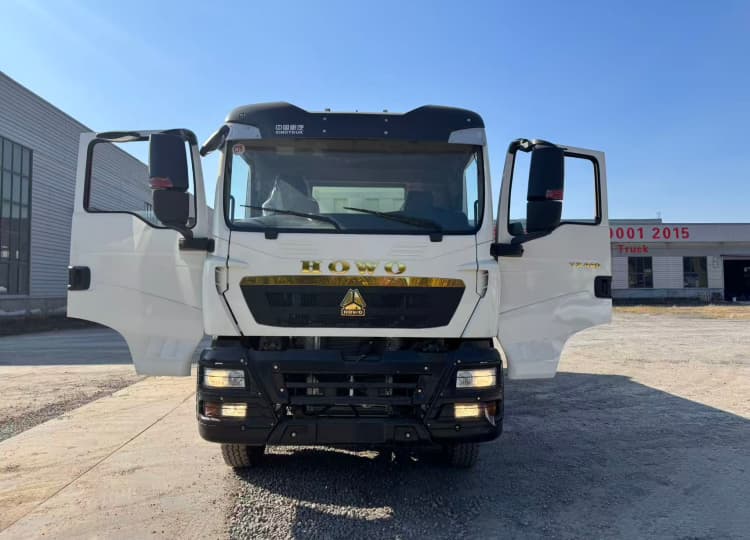
Ultrasonic Testing (UT): Deep subsurface flaw detection for thick chassis steel
Ultrasonic testing is the primary workhorse for thick frame rail and high-stress welds. High-frequency sound waves penetrate deep into the steel, reflecting back when they encounter internal cracks, delamination or voids below the surface that visual or magnetic particle inspection cannot reach.
NDT 4.0 UT systems use encoded scanners to capture position-locked A-scan and C-scan data. Every echo is timestamped, mapped to a coordinate on the chassis drawing, and stored digitally. The inspector no longer relies on memory to mark where a suspect signal appeared. AI assistance helps separate normal grain noise from genuine fatigue reflections, reducing false positives that slow production. UT is mandatory for double-layer frame joints and heavy-duty truck suspension brackets, where fatigue propagates inward before showing any surface sign. Units with subsurface crack indications are rejected, not patched, and the full scan dataset remains attached to the VIN for audit.
Magnetic Particle Testing (MPT): Surface and near-surface crack screening
MPT targets surface-breaking and shallow subsurface discontinuities in ferritic steel. Magnetic flux lines leak out at crack edges, attracting magnetic particles to form a visible indication. In legacy workflows, results were photographed or noted on paper; NDT 4.0 upgrades the process with uniform lighting rigs, high-resolution imaging and automated indication measurement.
The system quantifies crack length, orientation and location against the heavy vehicles reman acceptance standard. It is especially useful for quick screening of bolt holes, weld toes and bracket corners — the most common fatigue initiation points on truck chassis. MPT acts as a high-volume screening gate upstream of UT: clean MPT results reduce the need for exhaustive UT scanning across every inch, while any positive indication triggers targeted ultrasonic validation. This layered approach balances inspection speed and structural safety.
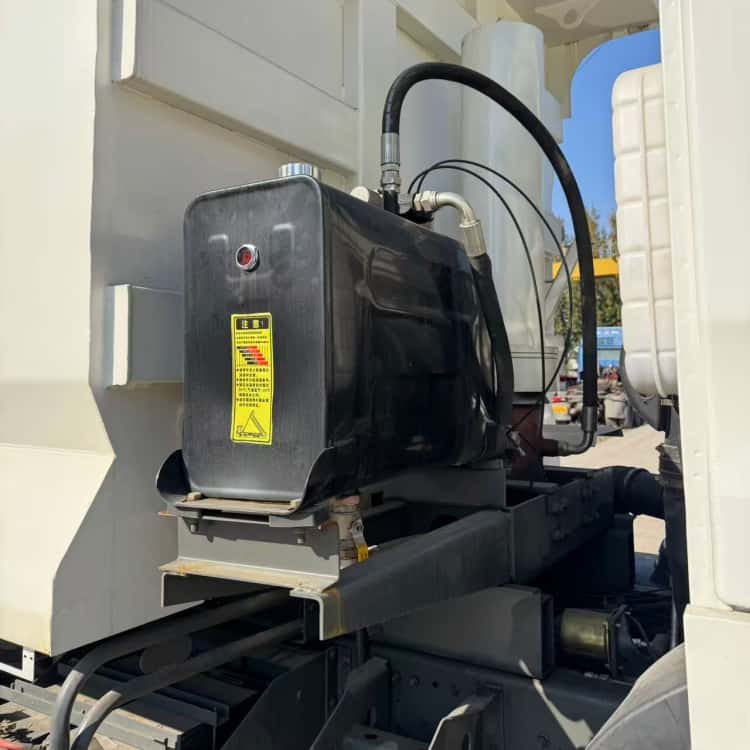
Digital Radiography (DR): Castings and complex weld geometry
Digital radiography replaces old X-ray film with flat-panel detectors, delivering instant, high-resolution digital images of cast components, complex multi-pass welds and thick housing sections. Unlike film, DR images can be zoomed, filtered, contrast-adjusted and shared remotely without loss of detail.
It excels at detecting volumetric defects: porosity, shrinkage, slag inclusions and incomplete weld penetration inside powertrain housings and heavy cast mounting lugs. In heavy vehicles reman QA, DR is reserved for higher-risk cast components where UT and MPT cannot easily resolve internal volumetric flaws. Images are tagged with component serial numbers and inspection parameters, so third-party auditors can review the same radiographic evidence without re-scanning the part.
Unified digital workflow and traceability
The biggest shift of NDT 4.0 is not the hardware itself, but the closed-loop data pipeline. All three inspection streams feed into the same asset record. Inspection location, equipment calibration status, inspector ID, signal screenshots and final pass/fail decision are automatically written into the VIN dossier.
Calibration governance is embedded into the platform. Each probe, probe wedge, magnetiser and radiography panel has a calibration expiry. The system blocks inspection logging if the equipment is out of calibration, preventing unvalidated test results from entering the QA record. This eliminates one of the hardest-to-control risks in traditional NDT: unknowingly using drifted equipment.
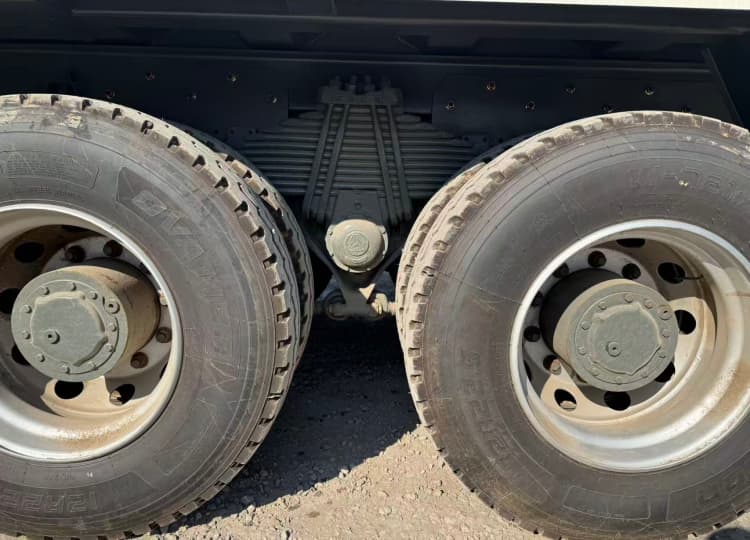
AI support as a secondary reviewer, not a replacement
NDT 4.0’s ML algorithms are trained on chassis steel signals from mining-haul duty cycles. They flag high-risk indications for human review, but the final acceptance call always rests with a certified NDT inspector.
The model learns from inspector overrides, improving its ability to distinguish fatigue cracks from material texture, corrosion pits and surface roughness over time. This reduces inspector fatigue, especially during long core sorting batches, while keeping safety-critical decisions under qualified human oversight.
Duty-cycle tailored inspection strategy
REMAN ROAD heavy vehicles reman applies a risk-based inspection matrix. Reman trucks destined for steep, ungraded mine tracks receive full UT + MPT on all frame stress points. Reman trucks for mixed highway and compacted gravel routes follow a slightly optimised sampling pattern, with targeted DR on critical cast housings. The inspection scope is documented, so fleet buyers understand exactly what structural testing was performed for their route profile.
Conclusion
NDT 4.0 upgrades traditional ultrasonic, magnetic particle and radiography inspection into a connected, traceable quality system. It turns subjective flaw interpretation into mapped, stored, shareable evidence, tightly linked to each truck’s VIN. For fleet managers, this means structural integrity is not a verbal guarantee; it is a digitally recorded reman QA checkpoint, reducing the chance of catastrophic frame failure and the costly project penalties that follow.


2 Comments