
How Reman Manufacturing Shapes the Future of Heavy Vehicle Industry?
Introduction
For decades, the heavy vehicle industry followed a linear model: raw material extraction → new truck manufacturing → operation → scrap disposal. This model is capital-heavy, resource-intensive and vulnerable to material shortages, carbon regulations and volatile new-vehicle pricing. Genuine reman manufacturing, defined around full vehicle lifecycle reset rather than isolated component repair, is rewriting this logic. It treats retired heavy trucks as high-value reusable assets instead of waste. When built on unified, auditable standards like REMAN ROAD, reman manufacturing is not just an aftermarket option. It becomes a foundational industrial force, reshaping fleet procurement, OEM strategy, supply chains and global sustainability rules. This article examines how standardised whole-vehicle reman works is redefining the sector’s future.
It shifts industry valuation from upfront CAPEX to full-lifecycle TCO
Traditionally, buyers prioritised the purchase price of a brand-new truck. Today, fleet operators are increasingly judging assets by total cost of ownership across years of operation, and reman manufacturing fits this new logic perfectly.
- A verified reman vehicle delivers OEM-equivalent overall performance, with a much lower initial investment than a new truck.
- With systematic system inspection, mandatory wear-part renewal and full vehicle road validation, verified reman vehicle reduces random breakdowns and unplanned downtime — the largest hidden cost for mining, construction and long-haul transport fleets.
- Whole-vehicle warranty and traceable records remove the uncertainty that once made used or casually rebuilt trucks a high-risk choice.
This shift pushes OEMs and vehicle suppliers away from pure new-unit sales toward lifecycle service packages. Fleet purchasing decisions now compare new trucks, verified reman vehicles and informal rebuilds on a consistent TCO basis, rather than sticker price alone.
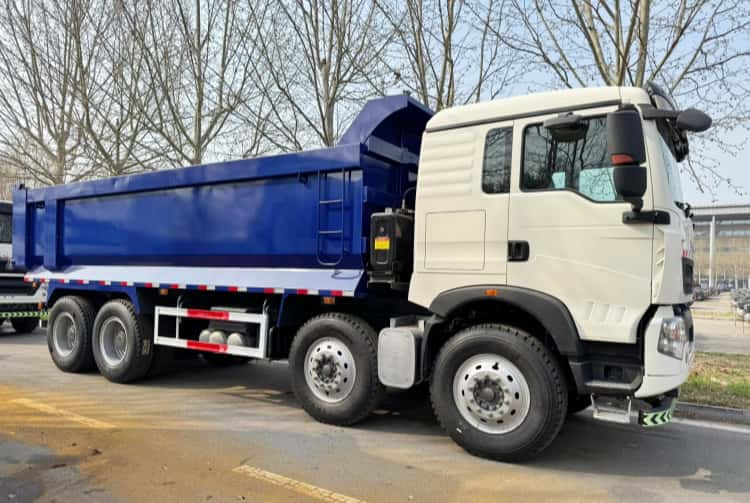
It builds resilient, localised supply chains against global volatility
Heavy vehicle production relies heavily on steel, alloy, casting capacity and global component shipping. Raw material price spikes, port delays and semiconductor shortages repeatedly disrupt new vehicle and spare-part supply. Whole vehicle reman manufacturing creates a local circular supply loop:
- Retired fleets within a region become the core source pool, cutting dependence on imported new chassis and assemblies.
- Regional reman facilities can respond faster to fleet maintenance and replacement demands, shortening lead times for working heavy vehicles.
- Standardised core grading rules allow cores to circulate rationally across distributors, reman factories and fleets, rather than leaking into unregulated dismantling markets.
For emerging markets with strong infrastructure and mining demand but limited access to affordable new trucks, verified reman vehicle fill a critical supply gap while easing pressure on global manufacturing capacity.
It makes heavy vehicle ESG targets measurable and actionable
Carbon regulation, tender sustainability clauses and investor ESG requirements are reshaping commercial vehicle procurement worldwide. The heavy vehicle sector faces growing pressure to cut embodied carbon, not just tailpipe emissions. Compared with manufacturing a brand-new truck, standard vehicle reman works preserves most of the embedded manufacturing value in frame, cab and major structural systems:
- It drastically cuts mineral extraction, smelting, casting and energy consumption.
- With vehicle-level traceability, every reman truck can generate auditable data on raw material savings and embodied carbon reduction.
A key distinction: simple second-hand reuse or partial overhaul cannot deliver the same recognised sustainability credit. Only standardised vehicle reman manufacturing, with full-system inspection, life reset and complete documentation, qualifies for formal ESG reporting. This turns reman from a cost choice into a compliance and competitive advantage for large fleets and contractors.
It creates new circular business models beyond vehicle sales
Reman manufacturing is expanding the industry’s revenue model from one-time truck sales into long-term asset circulation services. New business models enabled by whole-vehicle reman manufacturing include:
- Fleet core take-back programmes: fleets return end-of-cycle vehicles into the reman pool when their reman units reach the end of the reset lifecycle.
- Asset rotation and flexible fleet leasing: verified reman vehicle can be deployed to secondary routes, remote construction sites or temporary projects without the risk of tying huge capital into new trucks.
- Standardised certification and third-party audit services, which build trust across cross-border trade.
- Predictive maintenance packages tied to verified reman vehicle traceability data.
Instead of selling a truck and ending the relationship, manufacturers and service providers manage the asset across multiple service cycles. This is the core of the closed-loop industrial ecosystem REMAN ROAD is designed to support.
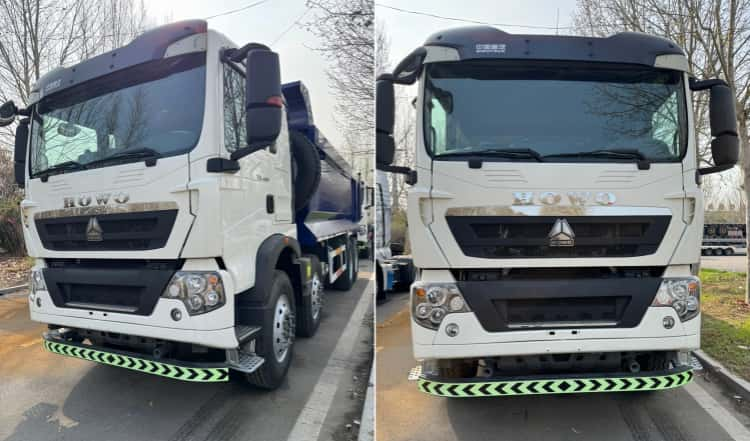
It drives unified industry standards and clears market confusion
One major barrier holding back reman adoption has been inconsistent definitions. Many market players label overhauled, patched or cosmetically refurbished trucks as “reman manufacturing”. This creates safety risks, unfair price competition and weak buyer confidence. As whole-vehicle reman scales, the industry converges on shared, vehicle-level rules:
- Clear separation between genuine reman manufacturing, overhaul, refurbishment and second-hand trucks.
- Mandatory gates: vehicle history audit, frame and cab structural NDT, system-by-system disassembly, wear-part replacement, integrated road testing and full traceability.
- Consistent certification criteria that can be recognised by fleets, auditors and cross-border buyers.
Standard frameworks such as REMAN ROAD provide a neutral benchmark. They help filter low-grade rebuilds out of formal tender channels and let genuine reman manufacturing compete on quality and verified performance. Over time, this lifts the overall credibility of the reman sector.
It complements energy transition for heavy fleets
The industry is advancing toward low-emission powertrains, but full fleet electrification or hydrogen conversion will take decades, especially for heavy-duty mining and off-road fleets. Reman acts as a practical bridge solution:
- It maximises the useful life of existing mature heavy-vehicle assets while emissions infrastructure and new-energy supply chains mature.
- Reman works can also include ECU calibration, after-treatment system renewal and emission system upgrade during the reset process, bringing older vehicles into better compliance with current emission rules.
- It avoids premature mass scrapping of structurally sound chassis and cabs — a wasteful outcome if fleets rush to replace usable trucks before their structural life is exhausted.
Vehicle reman manufacturing does not replace new-energy vehicles; it helps the heavy vehicle industry transition more smoothly and resource-efficiently.
Key challenges the industry must overcome
Vehicle reman manufacturing will not reach its full potential without solving structural bottlenecks:
- Fragmented core recovery and take-back mechanisms, with many retired trucks flowing into informal dismantling.
- Uneven quality standards and inconsistent certification across different regions and workshops.
- Limited buyer awareness: many fleet managers still equate verified reman vehicle with low-quality used trucks.
- Cross-border regulatory barriers that slow the circulation of reman cores and finished verified reman vehicle.
This is why shared standard systems like REMAN ROAD matter: they align stakeholders on a common technical language to remove these frictions.
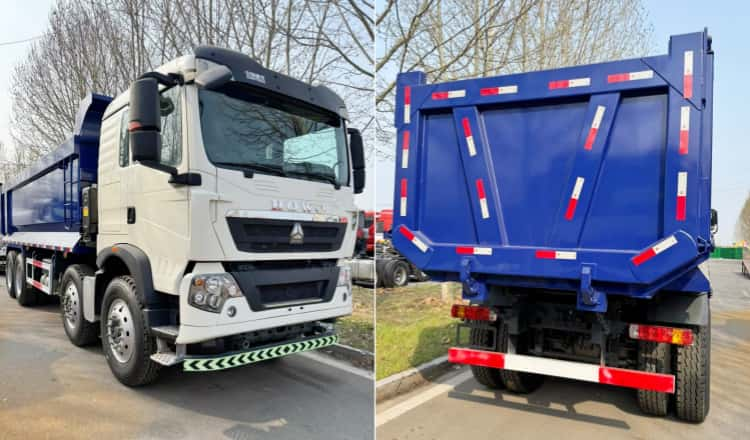
REMAN ROAD’s role in this industry shift
REMAN ROAD positions itself not as a vehicle reman manufacturing, but as a standard enabler for this new era. It defines what vehicle-level reman lifecycle reset means, publishes mandatory process and verification checklists, provides traceability templates and supports mutual recognition of audit results. It connects fleets, core collectors, reman factories and auditors into a coordinated closed-loop ecosystem, so reman can scale safely and globally.
Closing Summary
Reman manufacturing reshapes the heavy vehicle industry at its foundation. It redefines how fleets calculate asset value, stabilises supply chains, delivers verifiable ESG gains, opens circular service revenue streams and pushes the sector toward unified quality norms. The future heavy vehicle industry will no longer be built only on linear new-vehicle production. It will be a hybrid system where brand-new vehicles and verified reman vehicles coexist and circulate within a managed closed loop. For fleets, suppliers and regulators, the critical step is to adopt clear vehicle-level standards to separate genuine vehicle reman manufacturing from informal rebuilds — and that is exactly the mission of REMAN ROAD.
One Comment