REMAN ROAD Ecosystem Vision: Building a Trustworthy Global Reman Network
Introduce
The global remanufacturing industry today suffers from fragmented standards, inconsistent inspection practices, opaque supply chains and widespread greenwashing. Buyers in Africa, Central Asia, Southeast Asia and other high‑growth markets cannot easily distinguish certified lifecycle‑reset assets from cosmetic refurbishment or undocumented overhaul.
REMAN ROAD’s long‑term vision is not merely to produce remanufactured vehicles and components. It is to build an interconnected, auditable global reman ecosystem that aligns core suppliers, reman factories, inspection bodies, fleet operators, financiers and after‑sales service partners under one shared, enforceable quality framework. This network turns remanufacturing from a niche grey‑market option into a recognised, trusted asset class for heavy‑duty fleets worldwide.
The Core Purpose of the Ecosystem
Trust is the foundation of this network. At present, reman quality is often judged by the reputation of a single workshop. Once the vehicle crosses a border, that quality record disappears, warranty coverage lapses, and residual value collapses. The REMAN ROAD ecosystem fixes this by anchoring every reman asset to immutable, transferable digital records. No matter which country the truck operates in, fleet managers, auditors, lenders and secondary buyers can verify its reman workflow, test results and remaining service cycle. The vision is to create a borderless system where certification travels with the asset, not only with the original manufacturer.
This ecosystem also seeks to formalise circularity. Instead of cores being scrapped or informally rebuilt after one service cycle, the network establishes controlled core return, grading and re‑remanufacturing rules. It closes the material loop for heavy vehicles while preventing unsafe, low‑quality cores from re‑entering the market.
Key Stakeholders Inside the REMAN ROAD Global Reman Network
Certified Reman Production Hubs
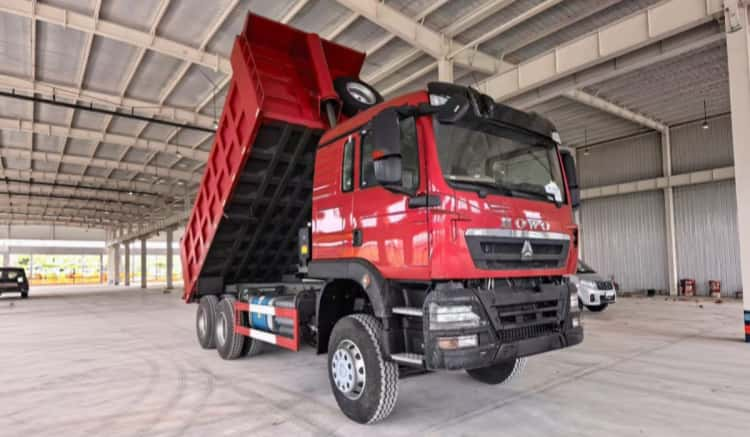
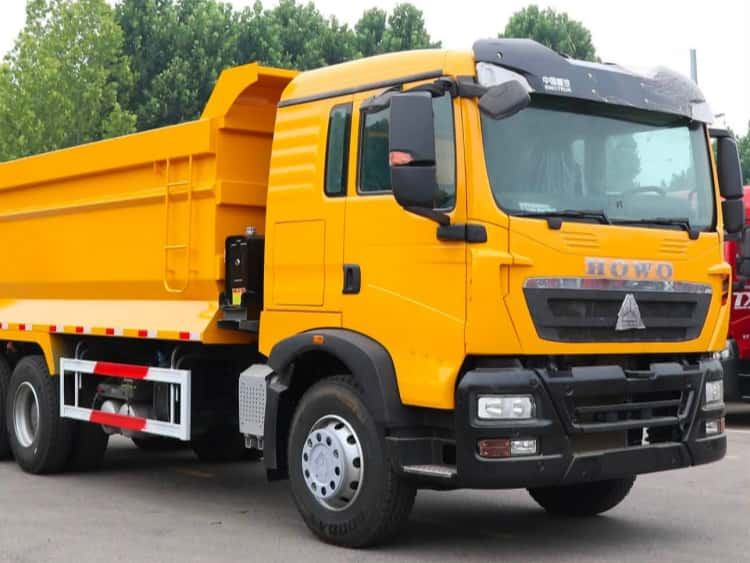
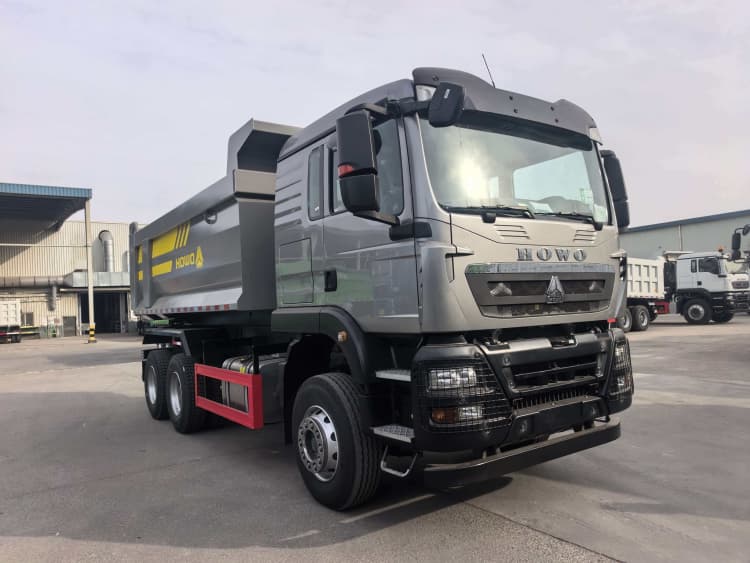
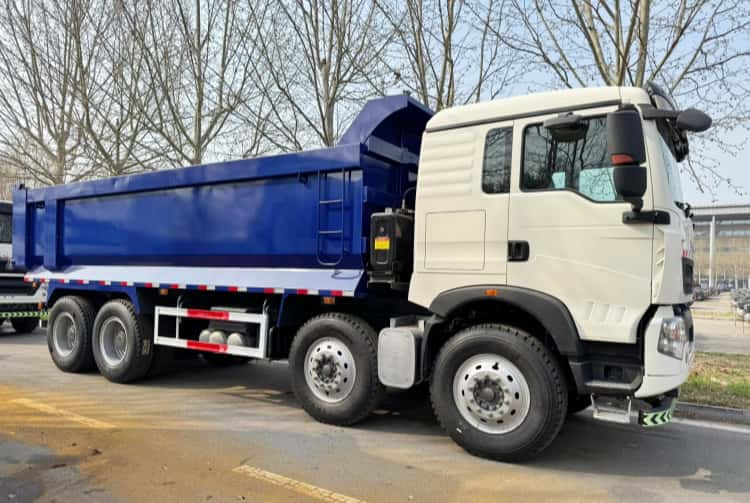
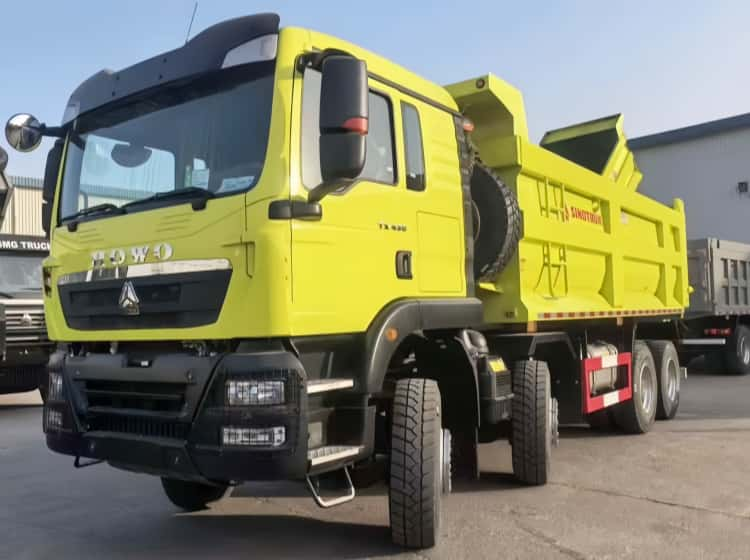
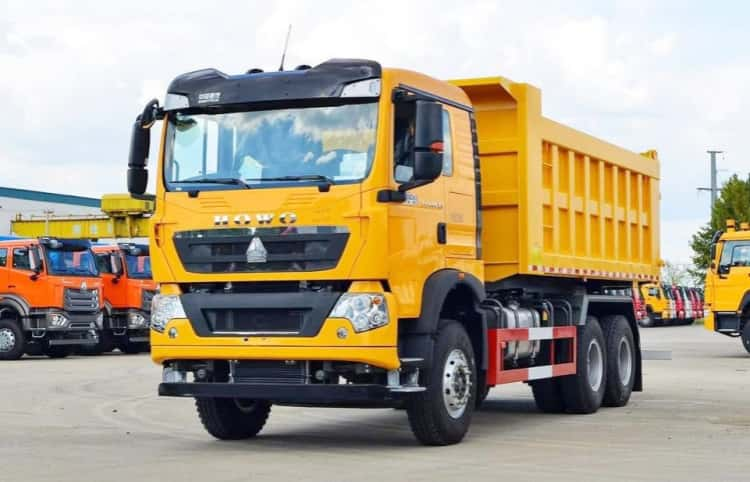
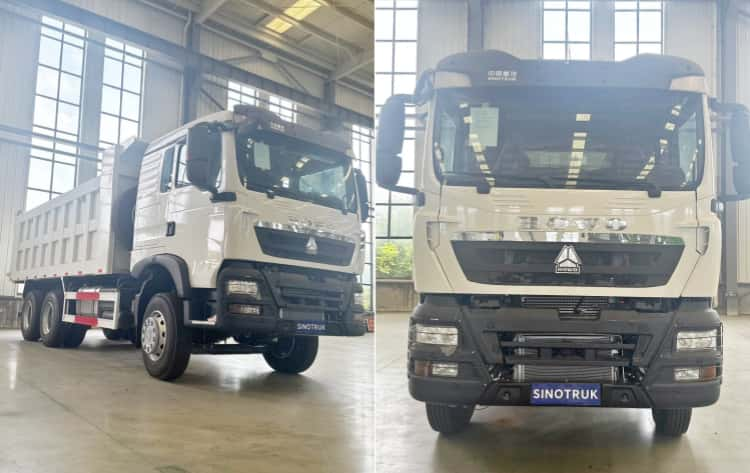
Authorised manufacturing facilities follow identical REMAN ROAD gate‑by‑gate workflow: core acceptance, full disassembly, NDT screening, dimensional rework, mandatory fatigue‑part replacement, dyno validation, road testing and digital twin logging. Hubs are regularly audited, rather than self‑certified. A hub that fails compliance reviews loses its authorisation to issue REMAN ROAD certificates. Regional hubs are positioned close to major demand zones, cutting shipping lead times and reducing transport carbon for Howo, Shacman and other widely deployed Chinese heavy‑duty platforms.
Independent Third‑Party Inspection & Audit Partners
Internal quality checks alone cannot build global trust. Independent engineering organisations carry out unannounced factory audits, sample unit testing and documentation validation. Their role is to confirm that published standards are followed in practice, not only on paper. These auditors also validate LCA carbon calculations, ensuring sustainability claims meet international reporting rules and avoiding greenwashing risks for tender‑focused fleets.
Core Supply & Reverse Logistics Partners
A stable global reman industry depends on a predictable supply of qualified cores. Network reverse‑logistics partners source, collect, pre‑screen and transport eligible heavy‑truck cores. They reject collision‑damaged, fire‑damaged or structurally overloaded units before they enter reman lines. Standardised core grading rules are shared across the network, so a core graded in one region meets the same acceptance criteria as a core graded elsewhere.
Fleet Operators & Asset Owners
Fleets are both customers and active participants in the ecosystem. They receive full traceability files and digital twin records alongside each reman truck. They share in‑service performance and failure data back into the network’s database. This operational feedback continuously refines inspection thresholds, maintenance guidance and fatigue modelling for future reman batches. Large fleets also gain access to consistent procurement terms, warranty portability and standardised TCO forecasting tools.
Financial, Leasing & Green Finance Institutions
Banks, leasing companies and impact investors are integrated into the framework. Because REMAN ROAD certification reduces uncertainty around asset reliability and residual value, network members qualify for specialised asset finance and green lease structures. Lenders can use the traceability ID to assess collateral risk, monitor asset condition and validate carbon‑reduction claims for ESG lending requirements. This unlocks capital for smaller regional fleets that would otherwise struggle to secure financing for heavy assets.
Regional After‑Sales & Service Nodes
A global certification cannot survive without local support. Authorised service nodes in target markets carry standardised training, approved spare‑part inventories and certified diagnostic tools. They honour transferable warranties, perform scheduled maintenance aligned to the reman reset cycle, and log service events back to the asset’s digital profile. This solves one of the biggest pain points for cross‑border global reman buyers: warranty support that vanishes once the truck leaves the factory country.
Secondary Market Brokers & Asset Appraisers
The ecosystem includes trained valuation partners who use REMAN ROAD records to calculate residual value based on remaining service cycle, not only original manufacturing year. They separate certified reman units from generic used trucks in resale listings, preserving the quality premium for owners and creating a transparent secondary market for circular heavy assets.
The Digital Backbone: Unified Traceability Platform
Every certified reman units or component gets a unique, permanent REMAN ROAD traceability ID stored on a secure shared platform. The record package includes core intake reports, NDT certificates, dimensional logs, dyno curves, digital twin simulation results, parts replacement manifests, road test data, warranty status, service history and LCA carbon savings statements.
Authorised stakeholders have role‑based access. A fleet procurement team reviews quality proof; an auditor pulls ESG evidence; a service centre checks recommended maintenance intervals; an appraiser views remaining service life for residual value modelling. The data travels with the asset through multiple owners and across national borders. This single source of truth is what differentiates the REMAN ROAD network from isolated reman workshops.
Shared Global Standards, Local Adaptation
Uniform standards do not mean ignoring regional operating conditions. The baseline reman workflow, NDT rules, performance thresholds and documentation requirements are consistent worldwide. But the network allows region‑specific parameter tuning: fuel‑quality‑adapted engine calibration, reinforced suspension for mine tracks, emission configurations aligned with local regulatory limits and duty‑cycle simulation tailored to African mining or Central Asian cross‑border haulage. The quality floor never drops, while engineering settings adapt to local reality.
Long‑Term Strategic Milestones of the Ecosystem
First, establish regional authorised hubs and audit protocols to deliver consistent certified reman units to priority emerging markets. Second, scale the digital traceability platform and connect service, finance and resale partners to enable portable warranty and cross‑border asset valuation. Third, build a closed‑loop core circulation system, where end‑of‑cycle certified reman units are graded again for a subsequent reman cycle if their structural cores remain qualified. Fourth, gain formal recognition from international sustainability frameworks, multilateral project funders and regional transport regulators, so REMAN ROAD certification is accepted directly in green tender documents and ESG disclosures.
The Broader Industry Impact
Today, remanufacturing is often viewed as a low‑cost alternative to new trucks. With this ecosystem, REMAN ROAD redefines reman as a formal, sustainable asset category. A trusted global reman network lowers the information asymmetry that has long haunted cross‑border heavy‑vehicle trade. It gives fleet buyers a reliable middle path: lower CAPEX than new trucks, far lower risk than uncertified used or refurbished imports, and auditable carbon benefits for circular economy targets.
Closing
The REMAN ROAD ecosystem vision is built on one simple idea: remanufacturing can only scale globally when trust travels with every asset. By unifying production hubs, independent auditors, reverse logistics, fleets, financiers and regional service networks on a shared standard and connected digital traceability layer, REMAN ROAD aims to turn fragmented regional reman markets into one coherent, trusted global circular ecosystem for heavy‑duty vehicles.