AI-Assisted Inspection: Machine Learning in Heavy Vehicle Reman Grading
Introduction
Traditional vehicle reman grading relies heavily on technician judgement. Even experienced inspectors can miss subtle fatigue marks, small weld discontinuities or corrosion patterns, and grading standards naturally shift between shifts, workshops and individual technicians. This inconsistency creates uncertainty for buyers, complicates core sorting and weakens the reliability of vehicle reman quality claims.
In REMAN ROAD vehicle reman workflows, machine learning models trained on heavy truck inspection datasets work alongside NDT and visual capture systems to support asset grading. AI assisted inspection does not replace certified inspectors, but it delivers a repeatable, data‑driven baseline that makes vehicle reman grading far more objective.
ML models trained on heavy‑duty failure patterns
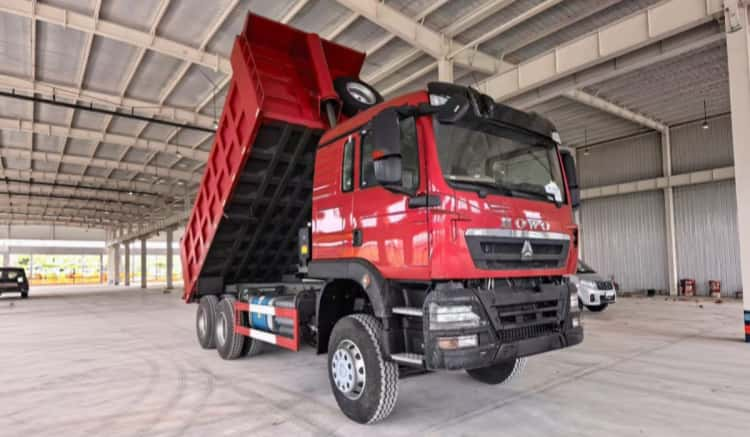
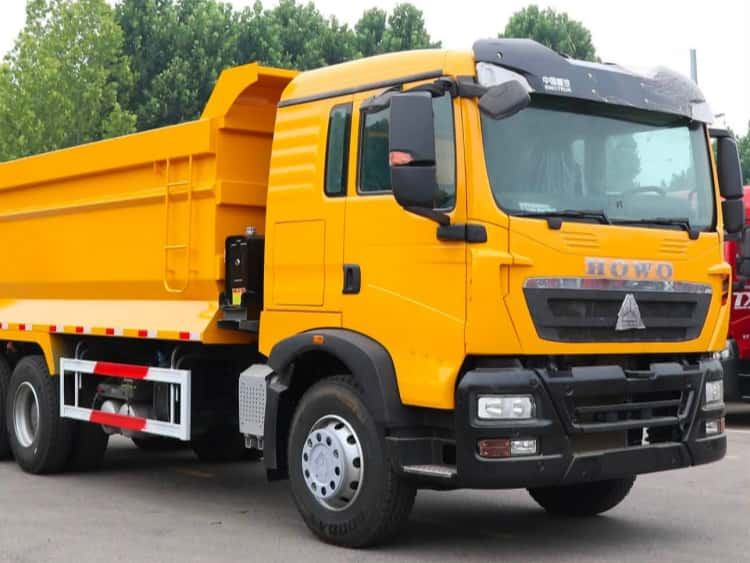
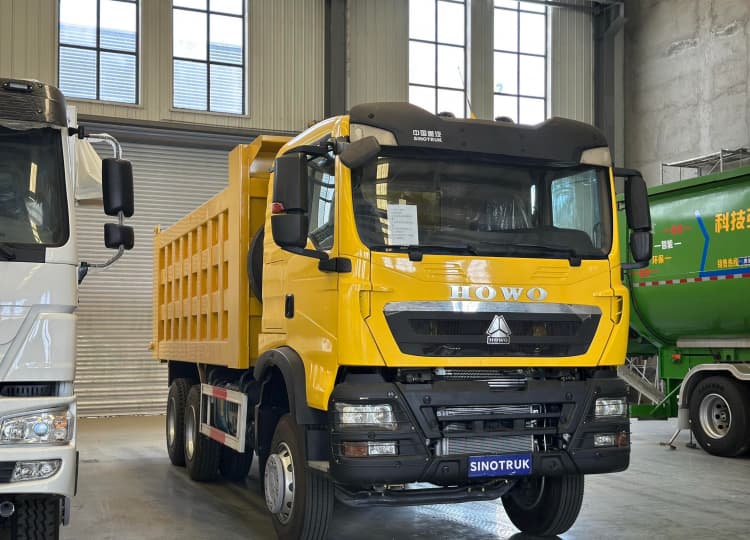
The machine learning system is trained on a curated library of images, NDT signal data and historical failure records from Howo NX, TX and other heavy chassis. It learns to recognise the visual and signal signatures linked to frame fatigue, weld cracking, surface pitting, gasket degradation, brake lining wear and suspension bracket damage.
Unlike generic image recognition tools, this model is tuned specifically for heavy‑truck operating environments. It accounts for interference factors such as mud residue, rust patina, paint overspray and uneven lighting that often confuse standard vision systems. Every flagged anomaly is mapped to a defined vehicle reman grading rule, so the same defect receives the same severity score across all inspected units.
AI removes subjective grading drift
A core pain point in manual grading is variation. One inspector may mark a minor surface crack as a reject, while another classifies it as repairable. Over time, this drift blurs the line between acceptable cores and units that must be scrapped.
AI assisted inspection applies the same scoring logic to every chassis and component. It outputs a numerical grade tied to predefined acceptance criteria: Grade A for rebuild‑ready cores with minimal defects, Grade B for cores requiring targeted rework, and Grade C for assets that fail structural thresholds and are routed to scrap. Human inspectors retain final sign‑off authority, but the AI output eliminates unconscious bias and makes reman grading auditable. Every vehicle reman grading decision is backed by stored sensor data and model outputs that can be reviewed later by third‑party auditors.
Accelerated screening at the start of the reman pipeline
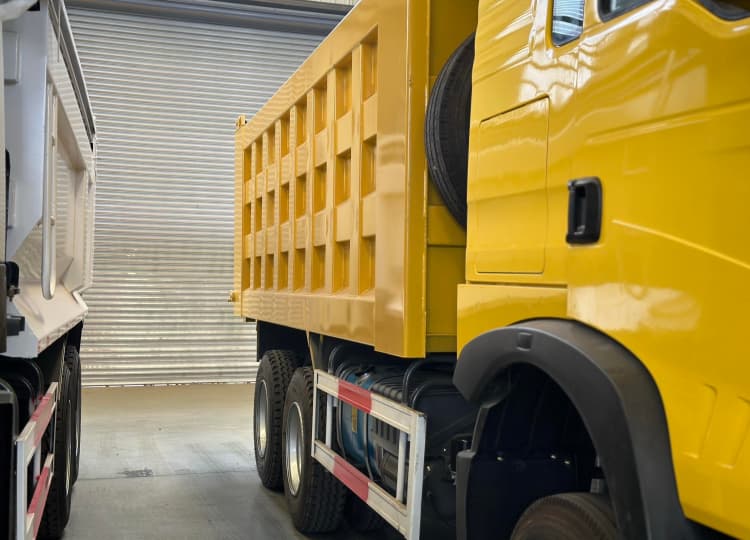
Core sorting is one of the most labour‑intensive and time‑sensitive stages of remanufacturing. AI vision paired with scanning rigs can rapidly process frame rails, crossmembers and suspension mount points before disassembly begins.
The system prioritises high‑risk zones identified by historical failure data. It flags suspected defects for targeted NDT testing such as ultrasonic or magnetic particle inspection. This vehicle reman workflow avoids wasting inspection resources on low‑risk areas and ensures borderline defects are not overlooked. For fleet buyers, this upstream screening means fewer structurally compromised cores enter the rebuild process at all.
Vehicle Reman Grading data feeds into the VIN digital dossier
All AI inspection results, defect coordinates and final ML grades are automatically attached to the truck’s VIN digital dossier. The vehicle reman grading record stays permanently linked to the asset, alongside NDT reports, dyno test logs and warranty activation information.
When the truck moves to site operation, resale or cross‑border export, stakeholders can review the original grading evidence. This adds a new layer of transparency: the asset’s quality class is not just a label, but a calculated outcome from captured inspection data. It also helps fleet procurement teams compare units consistently when selecting reman trucks for different duty profiles, matching Grade A units to high‑intensity mining routes and Grade B reworked units to moderate aggregate haulage.
Continuous model improvement from closed‑loop feedback
One of the strongest advantages of machine learning vehicle reman grading is continuous learning. When an inspector overrides an AI suggestion or confirms a missed defect, that result is fed back into the training dataset. The model refines its defect classification over time, improving accuracy for local site conditions, corrosion types and chassis variants.
This feedback loop gradually tightens the whole reman standard. Quality teams can identify recurring defect hotspots on specific model families, such as Howo TX suspension brackets, and adjust upstream core sourcing or repair protocols accordingly.
Important boundary: AI supports, does not replace qualified inspection
AI assisted inspection grading is a decision support tool, not an automatic approval gate. Critical structural calls still require a certified technician, calibrated NDT equipment and formal audit sign‑off. Machine learning reduces oversight fatigue, catches human blind spots and standardises scoring, but it cannot replace the contextual judgement required for heavy‑vehicle safety‑critical components.
Conclusion
AI assisted inspection machine learning vehicle reman grading transforms reman inspection from a subjective craft into a repeatable, auditable process. It stabilises quality classification, speeds up core screening and links every grade to evidence stored in the VIN traceability dossier. For fleet buyers, this means reman grades carry consistent meaning, reducing uncertainty and strengthening trust in certified reman heavy trucks.