Electric Reman: Challenges for Battery, Motor & Power Electronics
Introduction
As electric trucks enter mining and earthworks fleets, operators are exploring whether truck reman principles can apply to electric drivetrains. Traditional diesel reman workflows are built around crankshafts, gearboxes and hydraulic systems; electrification introduces lithium‑ion battery packs, permanent magnet traction motors and high‑voltage power electronics.
These components degrade differently, carry safety risks, and demand entirely new inspection protocols. Reman electric truck is not just swapping diesel parts for electric ones — it means rebuilding the QA framework to handle electrochemical ageing, high‑voltage hazards and semiconductor reliability.
Battery packs: state of health as the core grading variable
A diesel engine’s usable life is judged by wear, dimensional tolerance and compression. For a battery pack, the primary metric is state of health (SOH), tracked alongside cell imbalance, thermal runaway risk and seal integrity. Even low‑mileage packs can show uneven cell degradation from fast charging, thermal cycling or site vibration.
The biggest electric reman challenge is consistent grading. Individual cells within a pack age at different rates. A pack with one degraded cell cannot simply be reassembled and certified as a reman unit. REMAN ROAD’s electric reman workflow requires full pack disassembly, cell screening, balancing and replacement of out‑of‑spec cells. Thermal barrier insulation, coolant lines, busbars and BMS firmware are also inspected and recalibrated. All cell data is logged into the VIN dossier, with SOH thresholds set clearly for Grade A and Grade B packs.
Safety is another constraint. Damaged cells, swollen pouches or compromised isolation layers create fire hazards. NDT-style thermal scanning and insulation resistance testing become mandatory truck reman QA gates, and failed packs must be routed to controlled recycling rather than casual scrap. This makes battery reman far more costly and regulated than mechanical component repair.
Traction motors: magnet degradation, winding insulation and bearing wear
Traction motors combine mechanical wear with electrical ageing. The main failure modes are bearing fatigue, winding insulation breakdown, demagnetisation of permanent magnets, and contamination from dust or coolant leaks. Unlike a gearbox, motor performance cannot be judged by sound or simple rotation.
Demagnetisation is a hidden failure risk. Heat and sustained high torque can permanently reduce magnetic flux, lowering peak power and efficiency without obvious symptoms. Automated bench testing must measure torque constant, back‑EMF, winding resistance and insulation dielectric strength. Inspectors also check stator winding integrity for microcracks in the varnish insulation.
Truck reman repair is limited. Bearings and seals can be replaced; damaged windings can be rewound. But demagnetised rotors are usually not economically recoverable and must be replaced. This creates a hard supply constraint: certified reman motors depend heavily on the availability of serviceable rotors that pass magnetic testing.
Power electronics: semiconductors, capacitors and thermal drift
Inverters, DC‑DC converters and onboard chargers are the least forgiving electric drivetrain components. They rely on semiconductors, film capacitors and thermal substrates that degrade slowly under heat cycling. A power electronic fault can trigger sudden drivetrain shutdown and present high‑voltage shock risks.
Aging capacitors lose capacitance and increase equivalent series resistance. Semiconductor junctions suffer thermal fatigue. These changes are gradual and invisible to visual inspection. Truck reman QA requires automated thermal cycling and load testing to capture drift under real operating duty cycles. Control firmware must also be validated, as outdated software can reduce efficiency or create protection mismatches with the battery and motor.
Repair is component‑level, not module‑level. Most inverter assemblies are not designed for easy disassembly. Many OEMs seal them to prevent tampering. This creates a major barrier for truck reman: without serviceable spare semiconductors and capacitors, the only option is full module replacement, which erodes the cost advantage of reman.
Shared cross-cutting challenges for electric reman
High‑voltage safety dominates every step. Technicians require certified HV training, lockout-tagout procedures and insulated test equipment. Workflow segregation is mandatory; electric component rebuilds cannot share the same bay as diesel engine reman.
Traceability also becomes more complex. Each cell, magnet, capacitor and semiconductor has its own ageing profile. The VIN dossier must store serial numbers, SOH curves, insulation test results and BMS calibration logs. Unlike a diesel crankshaft, a battery’s condition continues to degrade passively while in storage, so retest dates and shelf‑life rules must be added to the QA system.
ESG expectations are higher too. Buyers assume electric reman will cut carbon, but improper battery repair or recycling can create hazardous waste. Certified reman must define clear end‑of‑life handover routes for any cells that drop below minimum SOH thresholds.
The practical boundary: electric reman is possible, but not diesel reman
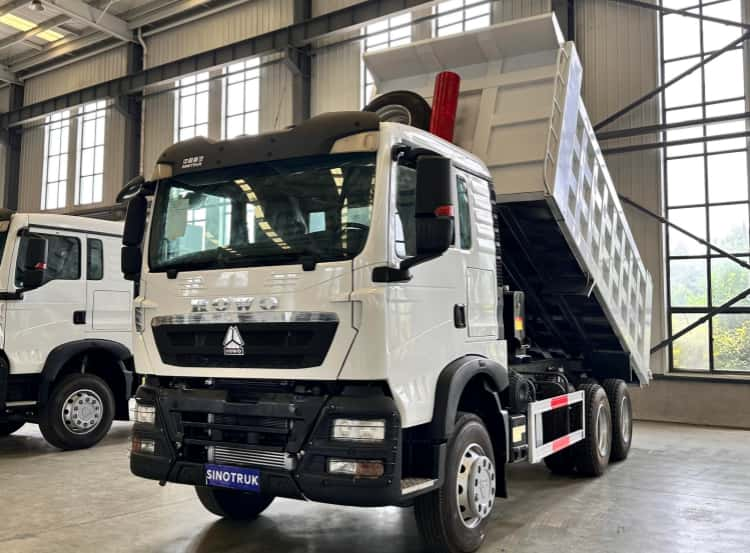
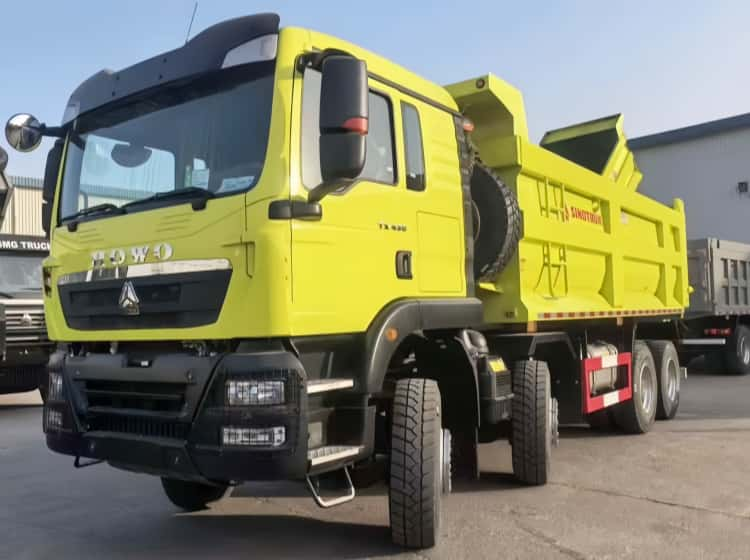
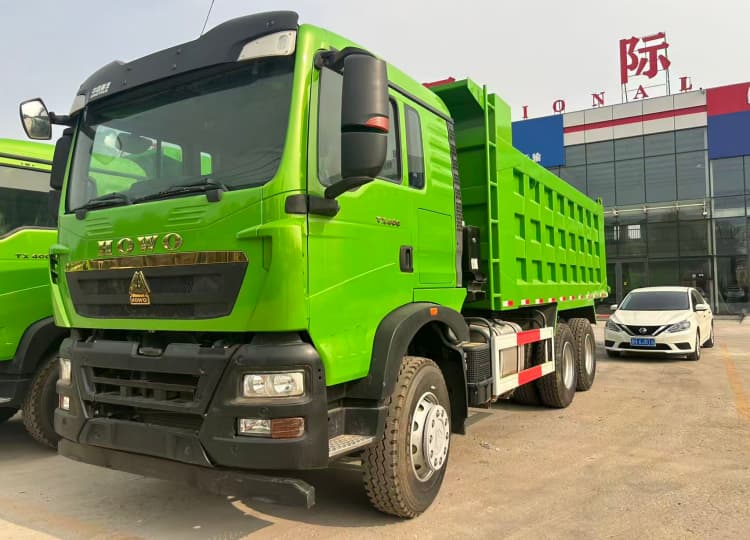
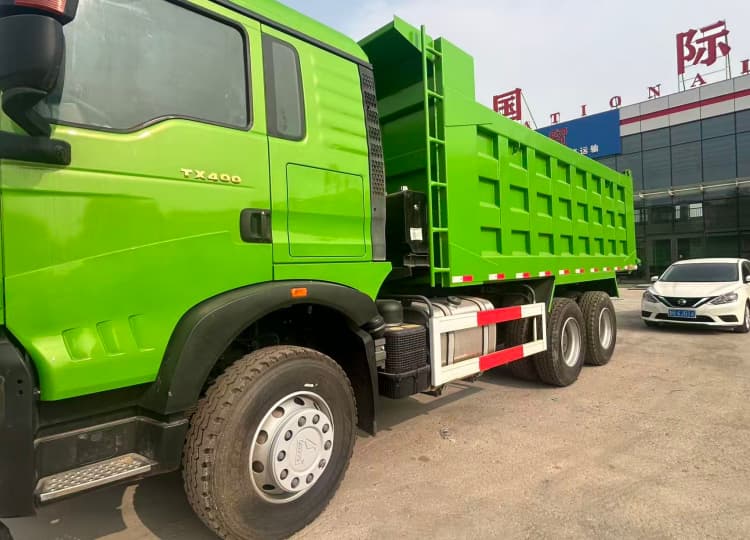
Diesel reman resets mechanical wear to a stable baseline. Electric reman can only reset selected failure modes. Electrochemical degradation is irreversible in many cases. That means reman electric trucks cannot follow the same lifecycle reset model as Howo TX and NX diesel reman trucks. They are better framed as carefully graded, cell‑repaired second‑life assets with defined remaining service windows.
Conclusion
Electrification brings powerful circular potential, but batteries, traction motors and power electronics introduce electrochemical, magnetic and semiconductor ageing that traditional truck reman workflows were never built to address. Successful electric reman requires HV safety protocols, cell‑level grading, specialised bench cycling and strict SOH traceability in the VIN dossier. For REMAN ROAD, this means separate standards for electric assets, clear limits on what can be rebuilt, and honest communication with fleets about the remaining useful life of every high‑voltage assembly.