Emerging Market Demand: Why Africa & Central Asia Buy Reman Trucks?
Introduce
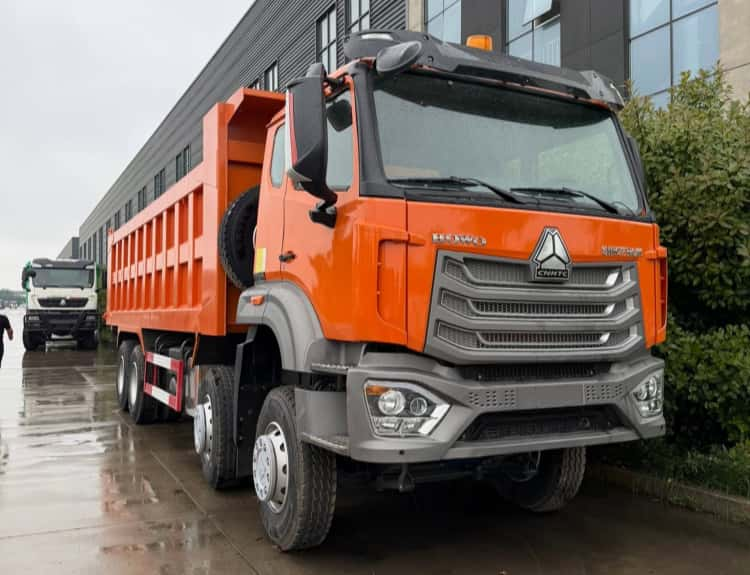
Africa and Central Asia represent one of the fastest-growing segments for REMAN ROAD qualified reman trucks. These markets share booming mining, infrastructure and cross-border freight activity, but tight capital limits, rough terrain, inconsistent fuel quality and aging local fleets make pure new-truck procurement unaffordable for most operators. Cheap unvetted used or superficially refurbished trucks carry crippling downtime risk. Qualified reman trucks fills this middle gap: it delivers near-new reliability at a fraction of new-vehicle CAPEX, while bringing auditable quality records that simple used trucks cannot match.
Constrained Capital and Limited Local Financing Capacity
Most fleet operators, small contractors and mining subcontractors across these regions operate with restricted working capital. Brand-new heavy trucks require enormous upfront payments, and local finance markets often carry high interest rates, short tenors or strict collateral rules that block large-scale new fleet expansion. Qualified reman trucks typically cost roughly half the price of an equivalent new OEM unit. The same budget can buy two or three qualified reman trucks instead of one new truck, immediately lifting cargo and hauling capacity.
Compared with cheap second-hand trucks, qualified reman trucks carries a modest premium, but it removes the hidden contingency spending that routinely wipes out the initial price saving. For local banks and leasing firms, standardized reman certification and traceable inspection logs also reduce perceived asset risk. This unlocks better lease terms and green financing options that are rarely available for ordinary used imports.
Harsh Operating Environments Demand Proven Fatigue Control
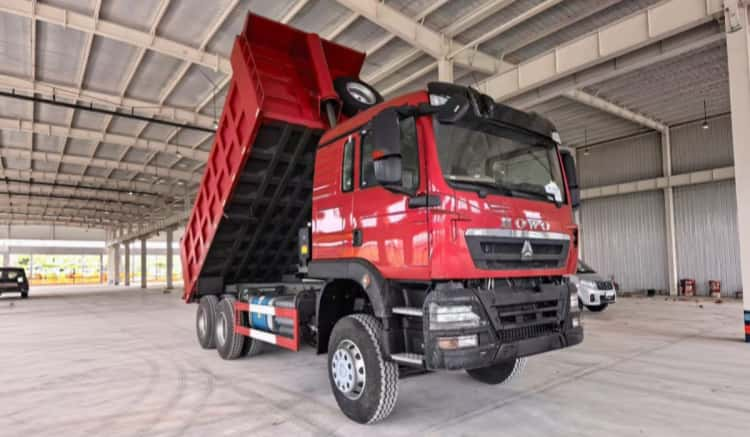
Road conditions across much of Africa and Central Asia are extremely demanding: unpaved mine tracks, corrugated rural highways, steep mountain passes, heavy dust, high ambient heat and widespread overloading. Ordinary overhauled or cosmetic-refurb trucks retain subsurface fatigue cracks in frames, crankshafts and axle housings. These latent defects fail suddenly under sustained heavy load, triggering costly breakdowns in remote locations where service support is sparse.
This is where the NDT, dimensional inspection and full-component teardown rules of certified reman become decisive. REMAN ROAD-grade reman screens critical load-bearing parts, rejects fatigued cores, replaces all time-limited consumables and validates powertrain output on a dyno before shipment. Units can also be calibrated locally for low-quality fuel, higher torque delivery and reinforced suspension setups suited to regional duty cycles. The buyer is not just buying a truck that starts; they are buying a vehicle whose high-stress failure points have already been engineered out.
Mining, Construction and Cross-Border Corridors Require Predictable Uptime
Demand in both regions is driven by fixed-contract sectors. Central Asia benefits from steady freight growth along transcontinental BRI corridors, alongside domestic road, hydropower and urban construction projects. Africa’s demand is anchored by copper, cobalt, gold and quarry mining, plus national infrastructure build-out and rising intra-Africa trade under AfCFTA.
These operations run on tight delivery schedules and heavy liquidated damages for delays. In remote mine sites or border transit routes, downtime is exponentially more expensive than in mature markets: towing is slow and costly, spare parts take weeks to arrive, and a single broken truck can halt an entire shift or block a convoy. Certified reman’s reset service cycle and asset-wide transferable warranty reduce unplanned downtime sharply. For contractors, this predictable uptime is often the decisive factor between reman and low-cost used imports.
Mature Parts Ecosystem for Chinese Heavy-Duty Platforms
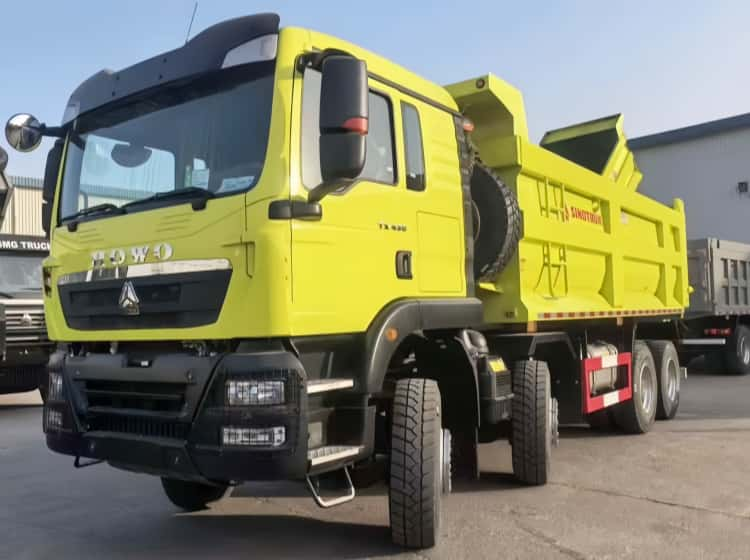
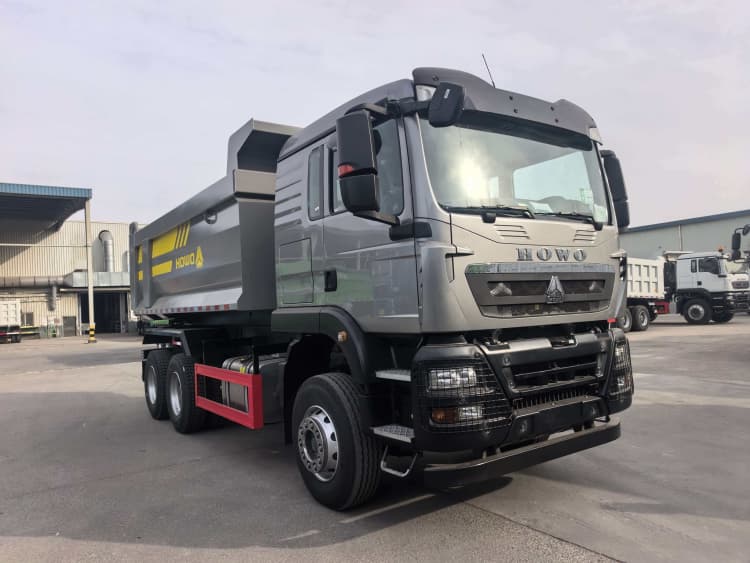
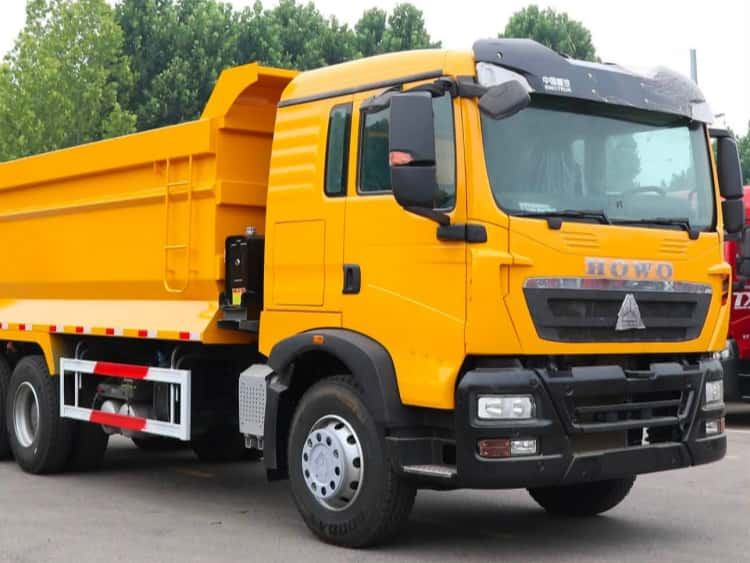
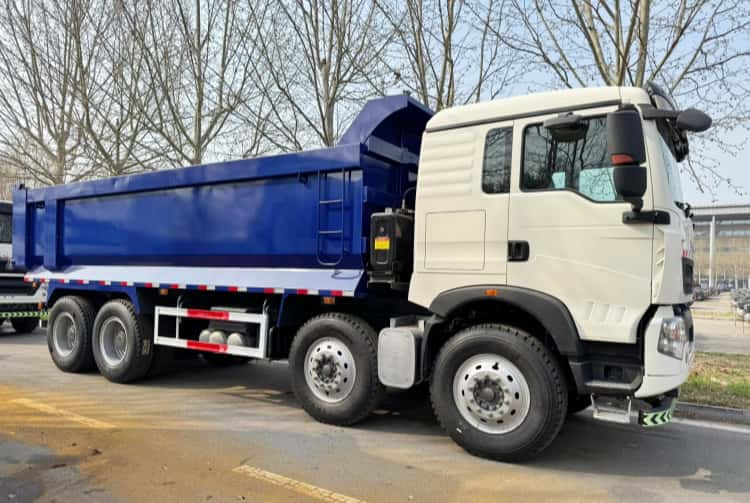
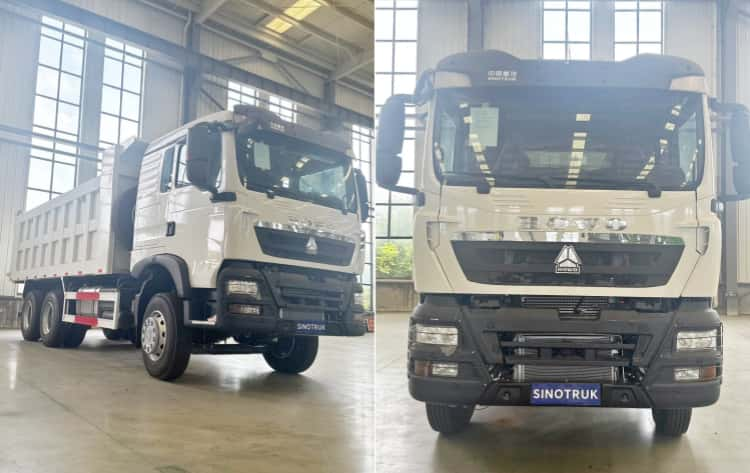
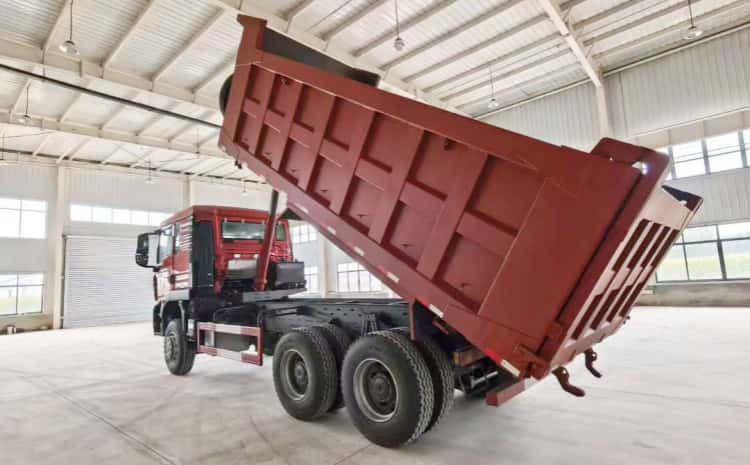
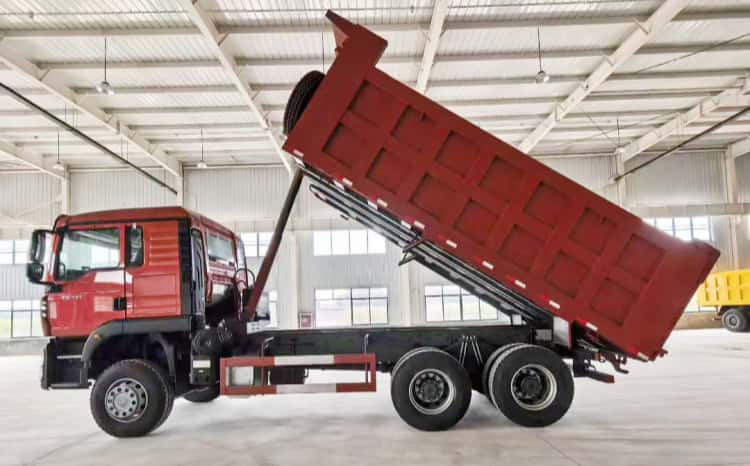
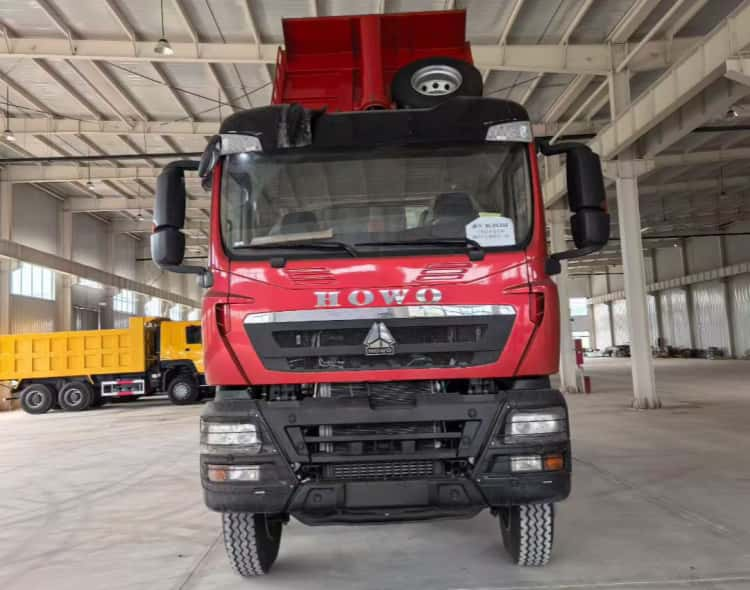
Howo, Shacman and other Chinese heavy-duty models already form the dominant installed base across Africa and Central Asia. Local repair shops, spare-parts dealers and mobile service teams are already familiar with WD615, WP10, HW transmission and HC/AC axle architectures. Qualified reman trucks built on these same platforms do not require a separate support ecosystem.
This creates a major advantage over new European or Japanese premium trucks: parts are cheaper, easier to source, and local technicians already know how to service them. Unlike random mixed-brand used trucks of unknown origin, qualified reman trucks retain standardised, widely supported component architecture, while the reman manifest provides a clear list of exactly which parts have been renewed.
Evolving Emission Rules and Green Tender Requirements
Emission standards are tightening gradually across key markets in both regions. Many governments, multinational mining firms and international project funders now require verifiable carbon savings for awarded contracts. Simple refurbished or patched used trucks cannot produce credible LCA documentation, making them ineligible for green tender scoring, ESG reporting and low-carbon project finance.
Certified reman comes with auditable embodied carbon reduction records. By reusing intact core chassis and major castings, reman cuts embedded carbon dramatically versus manufacturing a brand-new truck. For multinational mining operators and international logistics tenders, this documentation is not just marketing; it is a compliance requirement. Central Asia in particular is building formal mutual recognition frameworks for heavy vehicle environmental standards, creating a growing premium for traceable, low-carbon qualified reman trucks.
Long Asset Service Horizons Match Local Replacement Cycles
The average age of active truck fleets across many Central Asian and African markets is high. Operators expect heavy assets to stay in revenue service for many years, rather than replacing trucks on the short cycles common in Europe or North America. New trucks depreciate rapidly in their first two years, which is economically unattractive for buyers planning long hold periods.
Qualified reman trucks resets effective service life, with a clear remaining usable cycle recorded in its traceability file. It delivers stable performance over a multi-year holding window, with a more predictable depreciation curve than a random used truck. At disposal, its certification package preserves residual value, which matters for fleets that regularly roll proceeds from old asset sales into new vehicle purchases.
Clear Risk Separation: Certified Reman Solves the “used truck lottery”
The biggest pain point in these emerging import markets is quality inconsistency. One used truck may run reliably for months, while another identical-looking unit suffers catastrophic failure shortly after delivery. Buyers lack the engineering tools to inspect hidden fatigue, and most overseas sellers offer only limited, parts-only warranties or “sold as-is” terms.
Certified reman introduces a repeatable, auditable quality gate. The buyer receives a full dossier: core intake checks, NDT reports, dyno curves, parts replacement logs, road test records and transferable warranty. It separates genuine lifecycle-reset assets from the mass of visually refreshed overhauled trucks. For importers and fleet managers, this removes the guesswork from cross-border truck procurement.
Closing
Africa and Central Asia do not buy qualified reman trucks merely because they are cheaper. They buy them because the business environment punishes unpredictable breakdown more severely than almost anywhere else: capital is scarce, roads are harsh, service networks are thin, and contract penalties are high.
Certified reman sits in the sweet spot between expensive new trucks and high-risk used imports, combining lower CAPEX, familiar parts support, fatigue screening, warranty protection and auditable ESG benefits. As cross-border freight, mining and infrastructure investment expand, REMAN ROAD-standard reman will continue to be a strategic fleet tool for local and international operators alike.