Data Driven Reman: How Telematics Feeds Back into Production Optimization?
Introduction
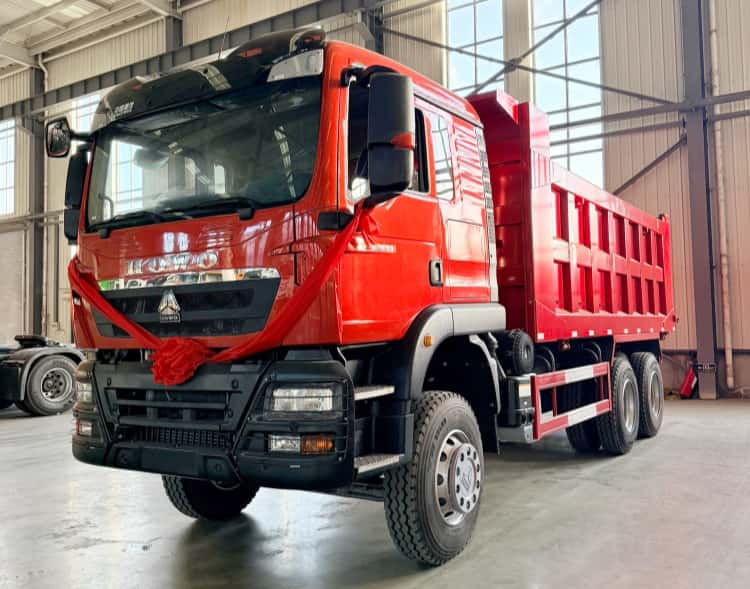
Traditionally, reman specs were built around static OEM manuals and workshop experience. Once a truck left the rebuild bay, the production team lost visibility into how it performed on site. Failures were reported late, described vaguely, and rarely linked back to specific rebuild parameters.
Data driven reman changes this. IoT telemetry streams from deployed reman trucks feed operating data back into the REMAN ROAD engineering and QA team. The team learns how components wear under real mine gradients, shock loading, idle cycles and maintenance habits, then adjusts rebuild standards, bench test profiles and component tolerances before the next production run. This closes the loop between field reality and factory quality.
Telematics captures duty profiles that static testing cannot replicate
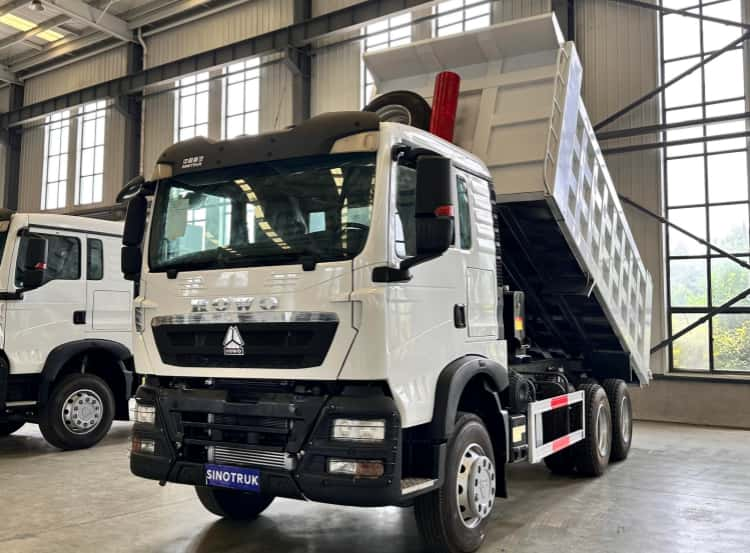
Automated bench tests simulate expected load cycles, but they cannot fully replicate the chaos of ungraded mine benches, sudden downhill braking, uneven payloads and dusty remote-site operation. Telemetry sensors tied to each truck’s VIN continuously log operating hours, gradient, brake actuation frequency, peak torque, suspension impact events, coolant and oil temperature, fault codes and payload cycles.
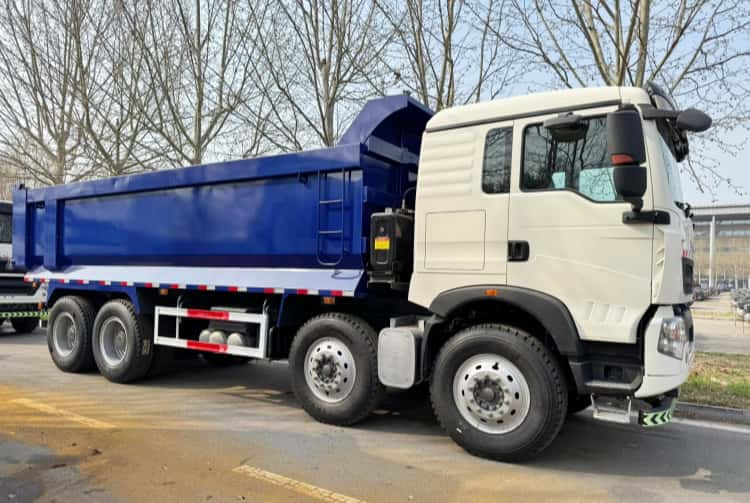
The system clusters data by route type and model: Reman trucks for open pit mining, and reman trucks for aggregate and highway transit. Engineers can identify which duty profiles create the highest wear on specific assemblies — for example, repeated steep descents accelerating brake lining wear, or constant rocky impact stressing suspension brackets. These patterns become the foundation for updated reman rules, rather than relying on guesswork or occasional customer complaints.
Field failure analytics refine QA and bench testing cycles
When a fault occurs, the engineering team cross-references the original VIN remanufacturing dossier, NDT reports, automated bench test logs and the truck’s recent telematics history. They distinguish between three root causes: component material weakness, inadequate testing at rebuild, or overloading beyond the truck’s designed duty profile.
If multiple units from the same reman truck batch show rising clutch wear under identical mine haul cycles, the team can adjust the engine-gearbox bench test script to add more high-load shift cycles. If frame stress points show fatigue under repeated shock loading, the NDT 4.0 inspection matrix is updated to add extra UT scanning on those exact locations. This means bench testing evolves to mirror the real failure modes seen in the field.
Component grading and part selection become route-specific
Telematics datasets help REMAN ROAD build smarter component allocation rules. Grade A high-integrity crankshafts, reinforced suspension parts and premium brake assemblies are routed to reman trucks bound for high-shock mining sites. Grade B reworked components, validated for moderate duty, are allocated to reman trucks on compacted gravel and paved transit routes.
Without this field feedback, the same rebuild package would be used for every truck, wasting durable components on light work and risking premature wear when standard parts are pushed into extreme mining cycles. Data driven reman allocation optimises core inventory, stabilises uptime and improves TCO for fleets by matching component durability to expected punishment.
Maintenance KPI trends shape recommended service intervals
Fleet maintenance teams follow the service schedule supplied with each reman truck. Aggregated telematics data reveals how wear rates shift under different operating conditions. Trucks running on steep pit roads wear brake components faster, so their inspection frequency is adjusted upward. Units on highway transit show slower driveline degradation, extending scheduled service intervals.
These updated service recommendations are written into the digital VIN remanufacturing dossier for future batches. Fleet managers receive duty-cycle tailored maintenance guidance, rather than generic one-size-fits-all schedules. This reduces unnecessary service downtime and flags units that are operating outside their intended duty envelope.
Closed-loop traceability strengthens ESG and KPI reporting
Every adjustment to the reman standard can be traced back to anonymised field operating data. The feedback loop demonstrates continuous improvement for auditors, clients and ESG reporting. Fleets can see that the reman programme is not static; it evolves based on real operational evidence. The data driven reman also supports Scope 3 accounting, helping quantify how extended component lifespans cut embodied carbon compared to purchasing new replacements.
Clear boundary: telematics optimises standards, it does not replace QA
Telematics feedback is a long-term improvement tool, not a substitute for pre-release testing. Every truck still passes NDT 4.0 screening, automated bench QA and smart torque-controlled assembly before delivery. Telematics reveals patterns across the fleet; it does not excuse releasing untested or borderline rebuilt assets. Outlier failures are investigated individually, and statistical trends must be validated before updating the production specification.
Conclusion
Telematics turns deployed reman trucks into live field test units. By feeding real-world terrain, load and wear data back to production, REMAN ROAD continuously refines reman specs, bench test routines, component grading and maintenance guidance. For fleet buyers, this means each new generation of reman trucks is better calibrated to the unique stress of their haul routes, improving reliability and reducing unplanned downtime over the contract lifecycle.