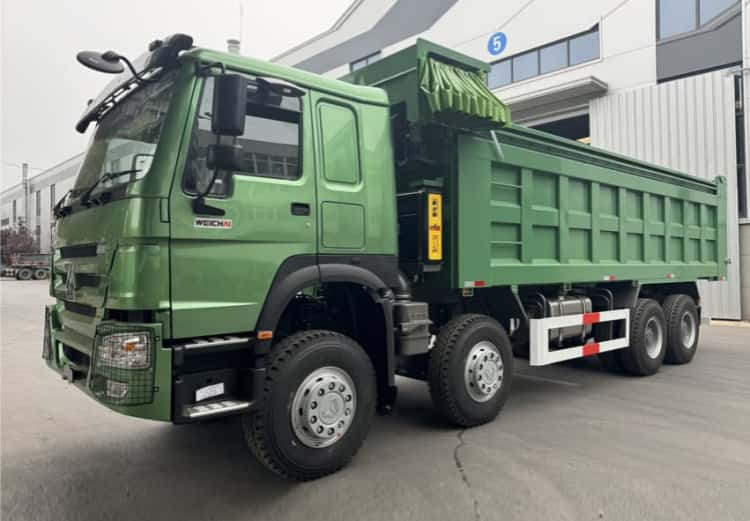
Mandatory Consumable Renewal: Seals, Bearings & Hoses That Must Be Replaced
Introduction
A common flaw in basic refurbishment is reusing consumable parts that still “look fine”. Seals, rolling bearings and rubber hoses degrade internally from heat, vibration, fluid chemistry and cyclic pressure, even when they show no visible cracks or leaks. They are cheap components, yet their premature failure can trigger catastrophic downtime, fluid contamination, damage to expensive powertrain or hydraulic cores, and missed site haulage KPIs.
REMAN ROAD’s mandatory consumable renewal reman standard treats these as non-negotiable renewal items. Every certified remanufactured vehicles receives a full replacement set, with part numbers and replacement records logged into the VIN digital dossier. This rule creates a clear dividing line between certified vehicles reman and casual refurbishment.
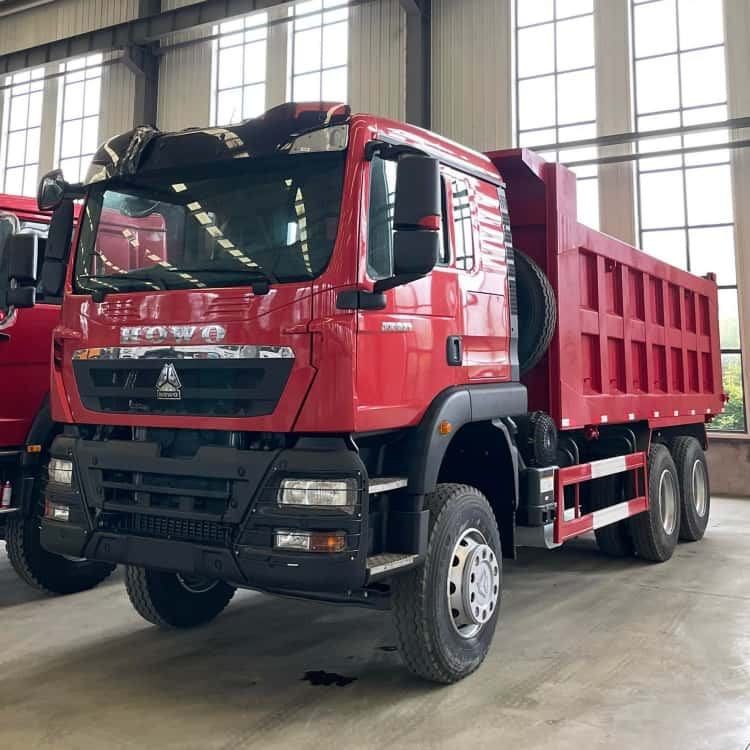
Seals and gaskets: invisible degradation under pressure and heat
Oil seals, O-rings, shaft seals, manifold gaskets and hydraulic flange seals are designed for a finite service life. Rubber and polymer materials slowly harden, lose elasticity and develop micro‑set from repeated compression, thermal cycling and exposure to diesel, hydraulic oil and coolant. A seal that holds pressure at rebuild time may leak weeks later once exposed to sustained mine-grade shock and temperature swings.
In REMAN ROAD certified vehicles reman workflow, all dynamic shaft seals, crankshaft rear seals, axle hub seals, brake chamber seals and hydraulic joint gaskets are replaced on disassembly. Old seals are discarded immediately, never reused even if they appear intact. Matching OEM-spec seal materials are selected for the duty profile: higher temperature compound for mining remanufactured vehicles, standard compound for moderate-route remanufactured vehicles. ‘
Post-assembly pressure bench testing validates every sealing interface, and the replacement log is attached to the truck’s traceability record. This prevents slow seepage that contaminates bearings, corrodes journal surfaces and creates slippery, unsafe haul roads.
Rolling bearings: fatigue does not show on visual inspection
Wheel bearings, suspension pivot bearings, gearbox bearings, idler bearings and pump bearings develop subsurface fatigue before any noise or roughness appears. Bearing raceways and rolling elements develop microcracks under repeated load, a failure mode that visual inspection cannot detect. Once initiated, fatigue spreads rapidly under heavy payload and vibration.
All high-load rolling bearings are renewed during certified vehicles reman disassembly. The old bearing is removed, scrapped, and replaced with a precision-matched bearing with correct clearance specification. New bearings are installed with controlled preload, verified using smart torque tools, and lubricated with the specified grease grade. Bearings are not cleaned, repacked and reused.
This rule is especially critical for certified remanufactured vehicles working on broken pit tracks, where suspension and axle bearings receive constant impact loading. The bearing serial numbers and installation torque values are stored in the VIN dossier for audit and warranty validation.
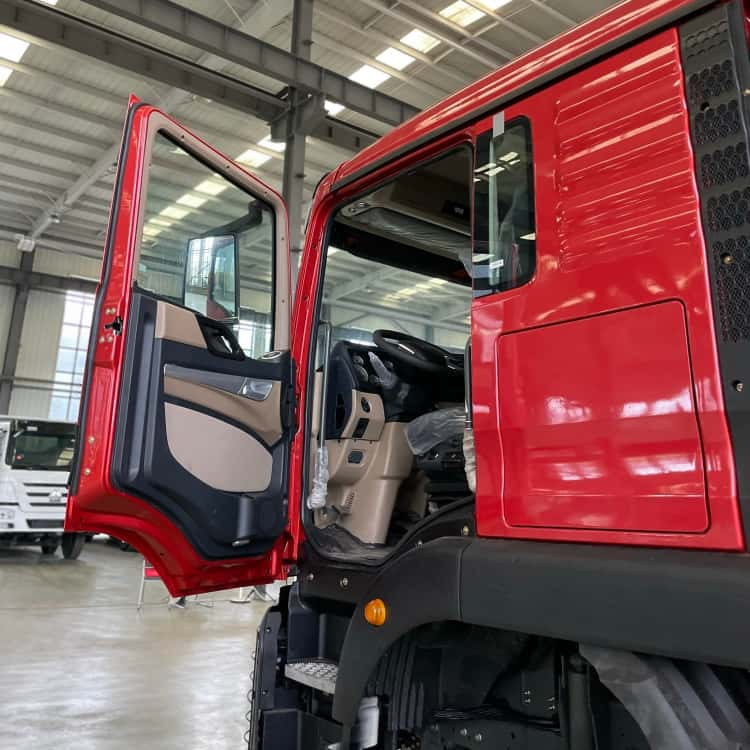
Hydraulic and air hoses: rubber degradation and reinforcement fatigue
Dump truck tipper hoses, air brake hoses, steering hydraulic lines and coolant hoses have internal textile or steel reinforcement layers. UV exposure, heat, oil soak and pressure cycling degrade the reinforcement from the inside out. Surface rubber may look intact, while the inner reinforcement is already weakened. A burst hydraulic hose on a tipper circuit can lock the bed mid-cycle, while a failed air brake hose creates an immediate safety hazard on downhill haul runs.
All flexible hoses are renewed during the certified vehicles reman workflow. Each hose is cut, crimped and pressure-tested before fitment. The team inspects mating hose fittings for corrosion or thread damage and replaces them as needed. Hard metal pipework is retained only after passing UT and visual inspection; only flexible hoses fall under the mandatory renewal rule. For cross-border mining fleets, this pre-emptive replacement reduces roadside failures in remote locations with limited workshop support.
Why “good-looking” consumables are excluded from reuse?
The core engineering principle is simple: consumables have a fatigue clock that starts at manufacture. The rebuild reset baseline cannot be trusted if components with unknown remaining service life are reinstalled. Refurbished trucks often reuse these parts to cut short-term cost, but the risk transfers fully to the fleet operator.
REMAN ROAD’s mandatory consumable renewal eliminates this variable. The maintenance KPI forecast, maintenance budget model and warranty coverage all assume fresh seals, bearings and hoses at the start of the second lifecycle.
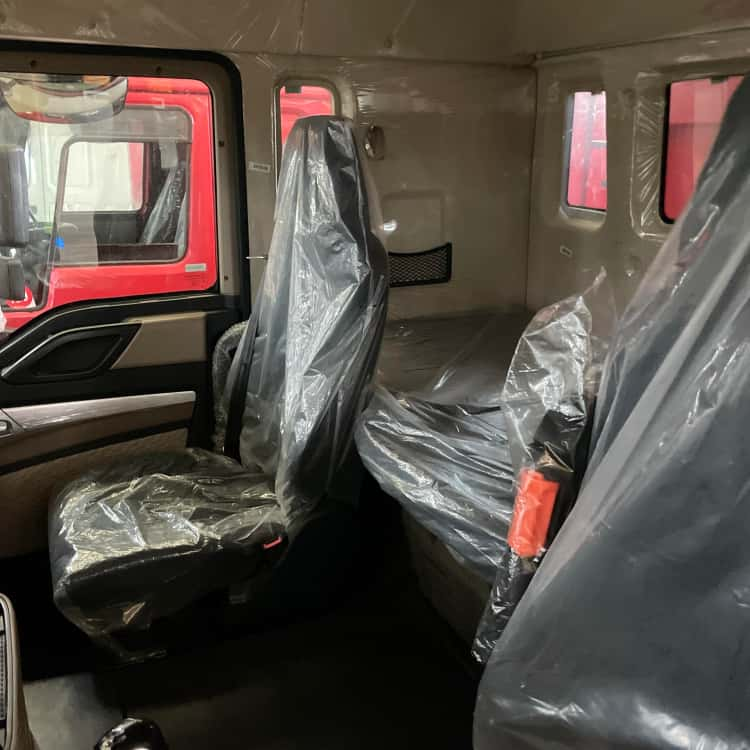
Shared QA validation after renewal
After installation, all seal, bearing and hose circuits go through automated bench cycling: hydraulic pressure surge tests, brake cycle tests and run-in heat soak. The certified vehicles reman QA system flags leaks, pressure drop or abnormal noise. Any joint that fails the test is disassembled, reworked, and retested. Replacement is not a box-ticking exercise; it is followed by measurable performance validation.
Conclusion
Mandatory consumable renewal is one of the foundational quality gates separating certified vehicles reman from refurbishment. Seals, bearings and hoses are replaced by default, not only when they are broken. By removing these invisible failure points at the rebuild stage, REMAN ROAD certified vehicles reman locks in a predictable wear baseline, stabilises maintenance budgets and reduces the risk of sudden, high-impact downtime on site haulage routes.