Global Reman Industry Outlook: Standardization, Scale & Cross-Border Trade
Introduce
The global reman industry stands at an inflection point. Driven by capital pressure on fleets, tightening carbon rules, aging global truck parc and the limits of new-vehicle supply chains, reman is evolving from a niche aftermarket activity into a formal cross-border asset class. Yet three interconnected challenges define its trajectory: fragmented technical definitions, inconsistent scalable production capacity, and customs and regulatory friction that still treats genuine reman vehicles as generic used vehicles. This outlook frames how standardization, industrial scaling and smarter cross-border governance will unlock long-term growth, with REMAN ROAD’s unified framework as one practical model for emerging-market-focused heavy vehicles reman.
Standardization: The Foundation That Removes Market Confusion
The single largest bottleneck today is the absence of a globally harmonised definition for full-vehicles remanufacturing. Across most customs codes, border authorities, tender evaluators and financiers, reman, overhaul, refurbishment and second-hand remain lumped together. A visually refreshed truck with no fatigue testing can carry the same informal “reman” label as a fully disassembled, NDT-screened, dyno-validated unit. This information asymmetry suppresses buyer confidence, restricts financing and invites greenwashing risks.
ISO and regional circular economy frameworks are beginning to fill this gap, setting baseline expectations for process control, non-destructive inspection, performance restoration and LCA carbon accounting. Still, these high-level standards leave wide room for local interpretation. The next phase of industry development will be built on layered standards: global baseline definitions, OEM component tolerances, and auditable certification schemes such as REMAN ROAD that lock in gate-by-gate workflows, mandatory fatigue-part replacement and traceability requirements.
Standardization will deliver three tangible outcomes. First, it creates a repeatable pass/fail audit checklist so third-party inspectors can verify quality across factories in China, Central Asia, Africa and Southeast Asia. Second, it separates genuine reman from cosmetic refurbishment in tender documents, ESG reports and green finance eligibility. Third, it gives lenders and leasing firms stable collateral rules: they can price residual value based on verified remaining service cycles, not just the original manufacturing year of the chassis.
Digital traceability will become inseparable from this standardization push. Unique asset IDs that bundle NDT logs, dyno curves, digital twin simulation data, parts manifests and service history turn abstract quality standards into portable, border-transmissible proof. Without this digital backbone, even well-written standards remain difficult to enforce across cross-border supply chains.
Scale: From Small Workshops to Regional Hub Networks
Historically, heavy vehicles reman has been dominated by small, job-shop style rebuilders. These operators are flexible but cannot deliver consistent quality, predictable lead times or large-volume shipments for mining groups, logistics corridors and national fleet renewal programmes. The global reman industry’s next growth wave depends on moving from batch, project-based rebuilding to industrialised, modular production.
Scaling will not mean one giant global factory. The most viable model is distributed regional hub networks. Core pre-screening and deep reman assembly will be concentrated in high-capacity, audit-certified production centres close to core supply; final calibration, local emission tuning and pre-delivery testing will sit in regional satellite nodes near demand markets in Central Asia, East Africa and the Mekong corridor. This cuts ocean freight cost, reduces carbon from long-haul transport, and enables calibration for local fuel quality, terrain and regulatory limits.
Stable core supply is the hidden constraint to scaling. A reman factory cannot run reliably on random, ad-hoc core arrivals. Mature scaled operations require formal reverse logistics: core grading protocols, transport quarantine for accident or fire-damaged chassis, and closed-loop take-back agreements with fleets. Cores must be graded against the same acceptance criteria worldwide, so a frame or crankshaft qualified in one region meets the same fatigue thresholds as one sourced elsewhere.
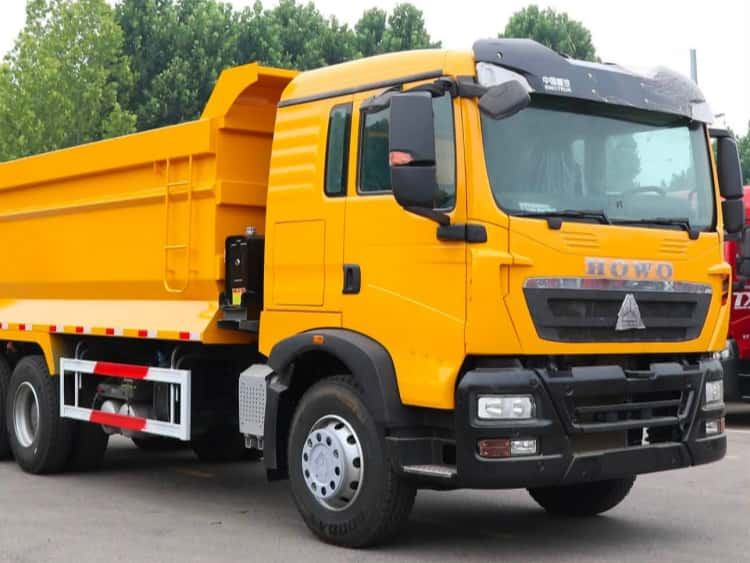
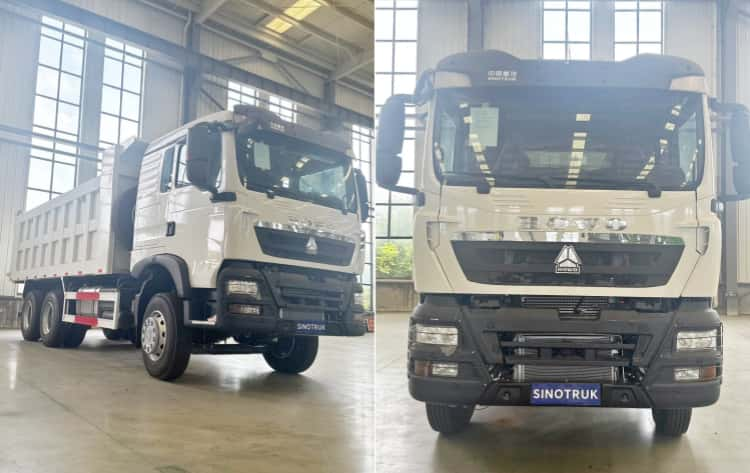
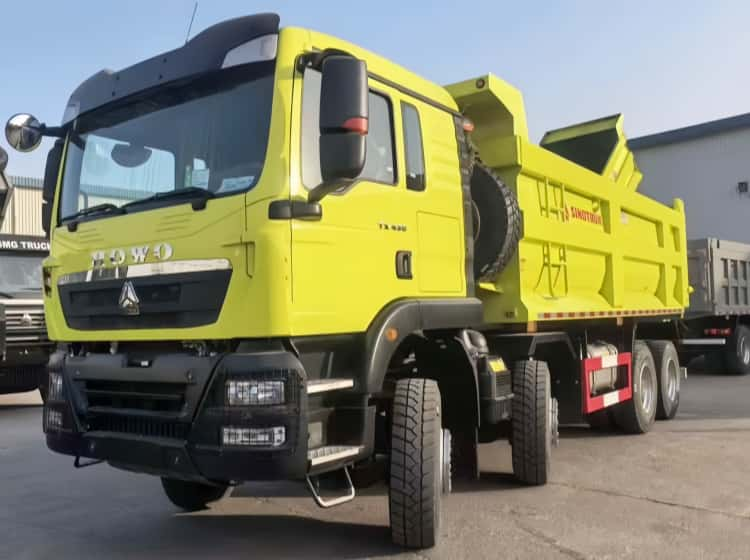
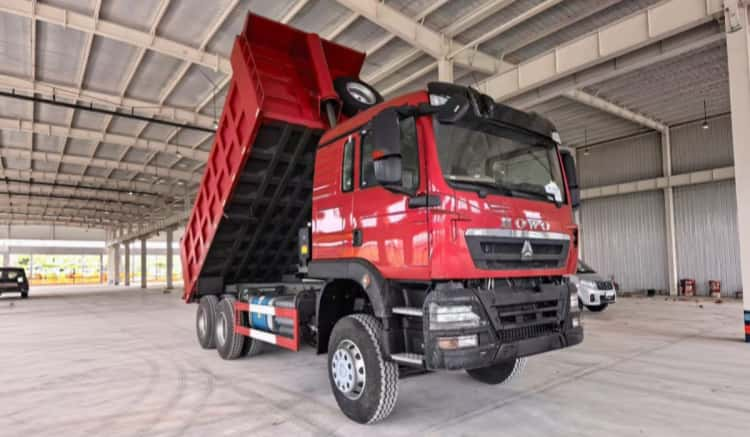
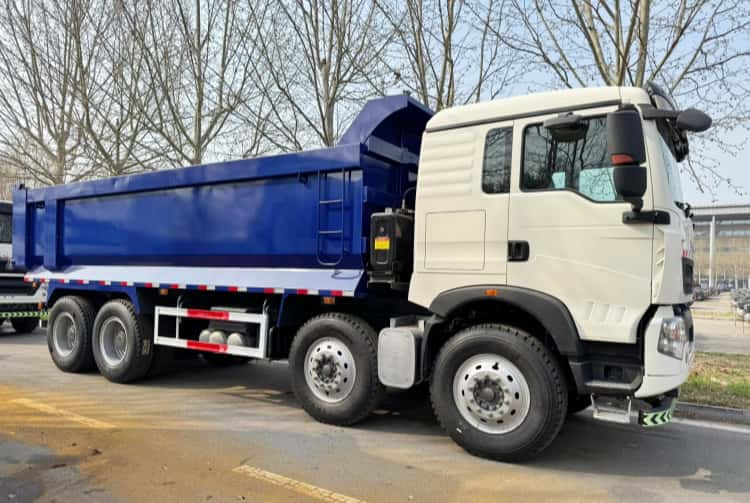
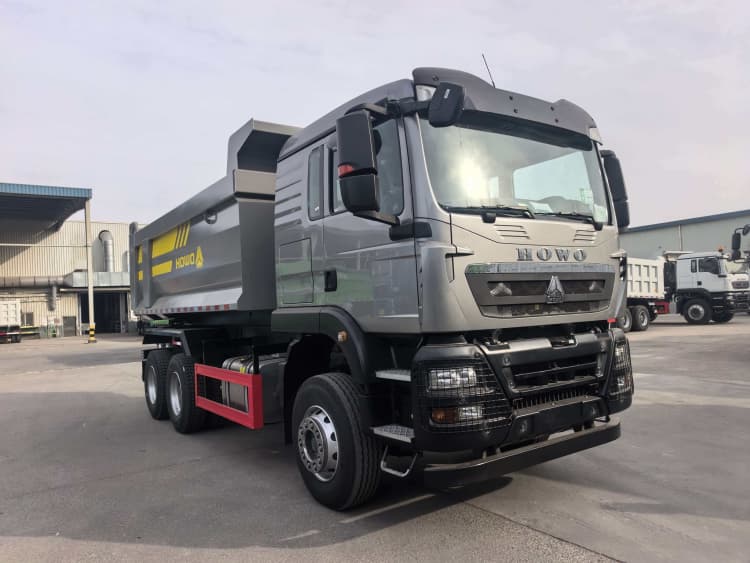
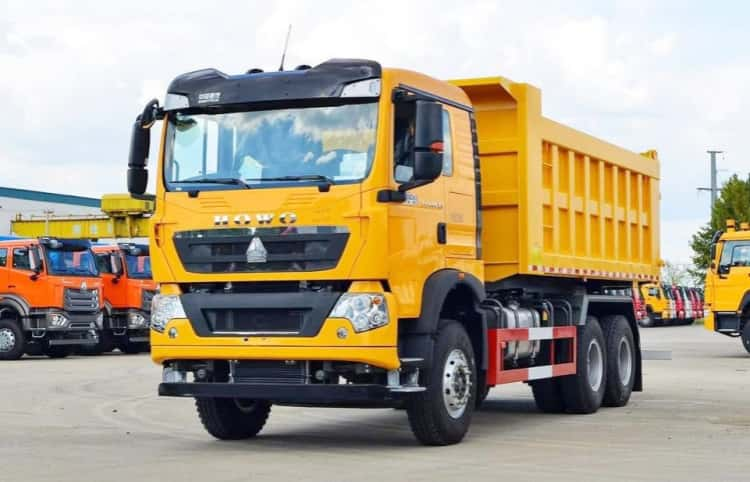
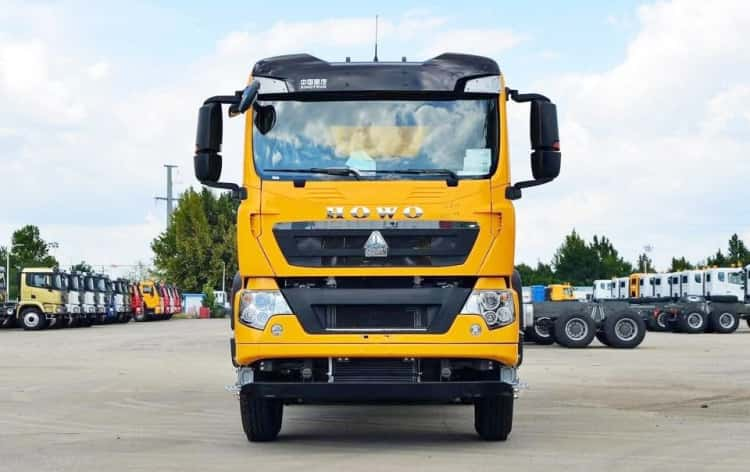
OEMs are also accelerating their own reman component programmes for engines, transmissions and axles, which lifts the overall quality ceiling for the sector. However, full-vehicles reman will remain a distinct parallel track, especially for high-volume Chinese heavy-duty platforms such as Howo and Shacman that dominate emerging-market fleets. The competitive edge for independent certified reman networks will be end-to-end vehicle-level certification, not only component-level rebuilds.
As scale improves, unit overhead will fall, quality consistency improves, and delivery lead times will narrow — closing the gap between long waits for new trucks and the quality lottery of cheap used imports.
Cross-Border Trade: Breaking Customs, Classification and Compliance Barriers
Cross-border reman trade faces its hardest barrier in customs classification. In many jurisdictions, genuine reman vehicles are automatically classified as used vehicles, triggering import bans, high duties, restrictive age limits and unpredictable inspection rules. Customs officers rarely have access to reman workflow records, so they rely on simple visual and VIN-based checks rather than lifecycle-reset certification.
This classification issue creates paradoxical outcomes: governments promote circular economy and carbon reduction policies domestically, while their border rules penalise the cross-border flow of the low-carbon genuine reman vehicles that deliver those goals. The reman industry roadmap here is incremental institutional alignment: formal mutual recognition of reman certificates, separate tariff lines for certified reman goods, and pre-shipment inspection programmes accepted by destination regulators.
Trade flows will diverge by region. Africa and Central Asia will remain the highest-growth import markets, driven by cross-border freight, mining and infrastructure fleets that value uptime and controlled CAPEX. Southeast Asia will grow steadily, but with tighter emission and registration rules. Mature markets in Europe and North America will focus more on OEM reman components and local closed-loop core circulation rather than large-volume full-vehicle imports.
A second major trade friction is warranty portability. Today, most rebuild warranties expire once the truck crosses a border. For reman to become a mainstream traded asset, service and warranty coverage must travel with the vehicle. This requires authorised regional service nodes, shared diagnostic data and standardised spare-part inventories — exactly the connected service layer built into the REMAN ROAD ecosystem vision.
ESG compliance will also reshape trade terms. Multilateral project funders, multinational mining contractors and green leasing programmes increasingly require auditable embodied carbon savings. This creates a two-tier trade market: certified reman with LCA documentation qualifies for preferential finance and tender scoring, while undocumented refurbishment loses access to these commercial advantages.
Key Industry Risks That Will Shape the Outlook
The biggest risk is standard fragmentation. Competing private labels with loose quality rules can flood markets with low-grade “reman-labelled” trucks, eroding buyer trust for the whole category. Greenwashing enforcement by regulators and auditors will therefore be a critical market filter.
A second risk is core supply volatility. If high-quality, structurally sound chassis become scarce, prices will rise and scaling targets will stall. This makes reverse logistics and closed-loop core take-back a strategic supply-chain priority, not an afterthought.
Third, the energy transition creates a long-term structural shift. As electric heavy trucks gain share, reman will gradually expand from diesel powertrains to battery packs, power electronics and e-axles. This will demand entirely new inspection, testing and safety protocols, creating a new wave of technical standard work for the reman sector.
Long-Term Scenario: A Mature Global Reman Ecosystem
In the global reman industry mature outlook, genuine reman vehicles become a recognised, independently valued asset category alongside new trucks and verified used trucks. A global baseline definition is widely accepted by customs, financiers and procurement teams. Regional reman hubs feed high-growth corridors, cores circulate through graded reverse-logistics pipelines, and every certified asset carries a transferable digital record that follows it through multiple owners and borders.
Fleet buyers will no longer treat reman as merely a cheaper substitute. They will select it as a deliberate TCO and cash-flow strategy, balancing lower upfront capital, predictable uptime, stable residual value and auditable carbon savings.
Closing
The global reman industry’s future is not determined by whether reman trucks can perform; it is determined by whether the market can agree on what reman is, produce it at scale consistently, and move it across borders without regulatory friction. Standardization creates trust, industrial scaling delivers volume and affordability, and cross-border alignment unlocks the global demand already visible across Africa, Central Asia and other high-growth markets. Networks built on unified, auditable standards will capture the largest share of this circular heavy-vehicle transition.