Embodied Carbon Comparison: Certified Reman Trucks vs New Trucks
Introduction
Embodied carbon represents the total greenhouse gas emissions released to extract raw materials, smelt metals, manufacture components, assemble, paint and transport a heavy truck before it turns a single wheel. For heavy-duty vehicles, this upfront carbon footprint dominates the asset’s total lifecycle impact, far beyond routine operational fuel burn in many fleet ESG evaluations.
A brand-new heavy truck carries enormous embodied carbon, driven by steel, cast engine blocks, forged axles, wiring harnesses and complex component manufacturing. Certified reman trucks under REMAN ROAD reuse the original vehicle’s frame, engine block, axle housings and other high-carbon core assets. Instead of re-extracting and re-forging all materials, reman replaces only worn-out consumable and fatigue parts, delivering near-new performance with drastically lower embodied emissions.
This article breaks down the embodied carbon comparison, explains calculation boundaries, quantifies typical savings, clarifies common accounting pitfalls, and shows how REMAN ROAD enables auditable carbon reporting for global fleets.
What Is Embodied Carbon for Heavy Trucks?
Embodied carbon (CO₂e) covers all cradle-to-gate emissions: mineral extraction, metal processing, component casting/forging, factory assembly, surface treatment and logistics.
For a new heavy truck, the largest carbon contributors are:
- Steel production for chassis, frame and cab structure
- Casting and machining of engine block, cylinder head, axle housings
- Forging of crankshafts, connecting rods and gear components
- Paint, coatings, plastic, rubber and electronic component manufacturing
- Energy consumption of OEM assembly plant and inbound component shipping
Once built, operational carbon comes from fuel combustion during truck operation. Embodied carbon is fixed at the point of asset delivery, while operational carbon accumulates year by year. REMAN ROAD’s embodied carbon analysis separates these two categories to avoid double-counting in ESG disclosures.
For a certified reman trucks, the original core’s embodied carbon is already emitted in the past. The reman processing only adds new emissions from disassembly, cleaning, machining, replacement part manufacturing, reassembly, testing and coating. This is the core reason reman assets deliver major embodied carbon savings.
Embodied Carbon Profile: New Heavy Truck
Full production of a brand-new heavy-duty truck releases a large volume of embodied CO₂e. The bulk of emissions comes from primary steel and cast metal production. Every new frame, engine block and axle housing requires raw ore mining, smelting and heavy industrial processing, all highly energy-intensive.
Key features of new-truck embodied carbon:
- High upfront one-time emission load at manufacturing.
- Full set of newly manufactured structural and powertrain components.
- Carbon accounting includes all raw material extraction and primary metal production.
- Long amortisation period over the truck’s service life, but the carbon debt is created immediately at production.
When fleets buy new trucks, they take ownership of this full embodied carbon footprint for ESG and Scope 3 reporting.
Embodied Carbon Profile: REMAN ROAD Certified Reman Trucks
A REMAN ROAD certified reman trucks retains the original vehicle’s high-carbon structural core, after rigorous core screening and mandatory NDT inspection. Only worn, fatigued or failed components are replaced.
Embodied carbon in the reman processing workflow comes only from:
- Disassembly, degreasing, cleaning and non-destructive testing
- Precision machining to restore dimensions of reusable cast/forged parts
- Manufacturing of replacement parts: bearings, seals, gaskets, pistons, liners, tyres, wiring and consumables
- Repainting, reassembly, bench testing and road validation
- Logistics for core transport and finished vehicle delivery
The original frame, engine block, axle housing and other major cast and forged structures are preserved. These components represent the largest share of embodied carbon in a heavy truck, so reusing them eliminates the need for new ore extraction, smelting and primary metal forming.
Under standard industrial reman benchmarks, properly certified heavy truck remanufacturing cuts embodied carbon by roughly 70%–80% compared with manufacturing an equivalent new heavy truck, alongside massive reductions in raw material and energy consumption.
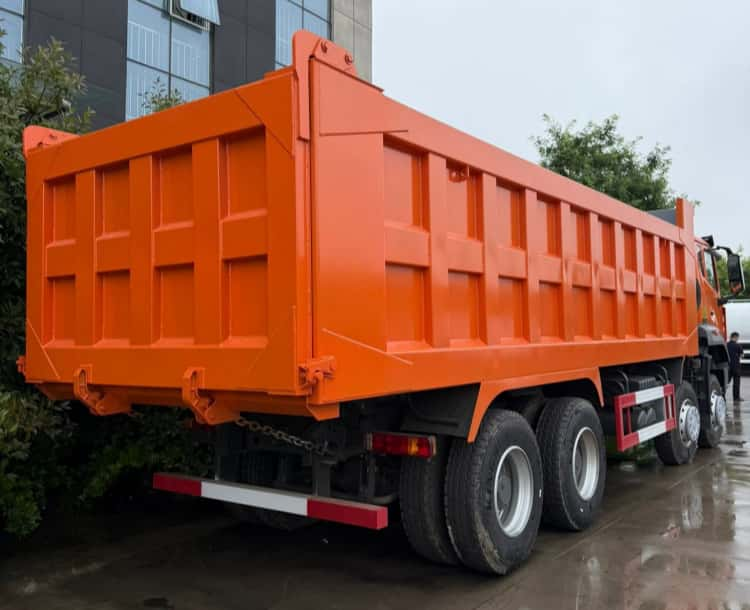
Direct Side-by-Side Comparison
Embodied Emission Sources
- New Truck Emissions start from mineral ore extraction. All primary metals and main structural components are newly produced. The full carbon cost of steel casting, forging and assembly is included.
- REMAN ROAD Certified Reman Trucks The original core’s embodied carbon is treated as past emission. Only emissions from heavy truck remanufacturing labour, machining and newly purchased replacement parts count toward the asset’s embodied footprint. Major cast/forged structures are reused.
Raw Material Demand
- New Truck Full demand for virgin iron ore, alloy metals, rubber and plastics. Large volume of primary raw material consumption.
- REMAN ROAD Certified Reman Trucks Virgin raw material demand limited to replacement consumable and fatigue components. The heavy structural metal assets are recycled through reuse rather than scrap melting.
Energy Input
- New Truck Huge energy demand for smelting, casting, forging and full vehicle assembly.
- REMAN ROAD Certified Reman Trucks Energy used for disassembly, cleaning, machining and testing; a fraction of the energy required for new vehicle manufacturing.
Performance Baseline
- New Truck OEM factory performance, near-zero wear, full OEM tolerance range.
- REMAN ROAD Certified Reman Trucks Restored to near-new OEM performance benchmarks, verified via bench and road testing under the standard.
Audit & ESG Documentation
- New Truck OEM product carbon footprint statement.
- REMAN ROAD Certified Reman Trucks VIN-bound traceability dossier recording core screening, replaced parts list and process energy use, enabling auditable embodied carbon quantification.
Critical Accounting Rules & Common Pitfalls
Embodied carbon comparison for reman trucks is easy to get wrong. REMAN ROAD defines clear boundary rules to prevent greenwashing and inconsistent ESG claims.
- Do not count the original core’s historic embodied carbon as new emissions. The carbon was already released when the original truck was built. Only emissions generated during the reman workflow should be counted.
- Exclude cosmetic-only refurbishment. Simple repainting and minor repairs cannot claim full reman carbon savings. Genuine savings only apply when the truck completes the full REMAN ROAD reman processing workflow: core qualification, full disassembly, NDT inspection, component grading, fatigue part replacement and quantified performance testing.
- Separate embodied carbon from operational carbon. Embodied carbon is upfront manufacturing emissions; operational carbon is fuel consumed while hauling cargo. Both belong in lifecycle analysis, but they must not be blended together for embodied carbon comparison.
- Use consistent functional unit. The comparison must match equivalent service life and load capacity. Certified reman trucks with reset service cycle can deliver the same hauling function as a new truck, making the carbon comparison valid. A short-life superficial rebuild cannot claim equivalent functional value.
- Avoid overstating savings. Carbon savings calculations must be supported by the bill of replaced components and factory energy logs stored in the VIN traceability dossier. REMAN ROAD does not allow generic unsubstantiated carbon claims.
Fleet Business Value of Embodied Carbon Savings
For global fleet operators, embodied carbon reduction is not just an environmental metric. It creates tangible commercial benefits.
- Scope 3 emissions reporting: Purchasing certified reman trucks lowers fleet supply-chain emissions, meeting mandatory carbon disclosure requirements.
- Tender and contract eligibility: Many public and large private tenders now reward assets with verified low embodied carbon. REMAN ROAD traceability files serve as supporting audit evidence.
- Green financing access: Lenders and investors increasingly use embodied carbon data to evaluate asset portfolios; certified reman trucks improve sustainability scoring.
- Carbon accounting and carbon credit potential: With standardised, auditable carbon reduction records, fleets can assess eligibility for carbon credit programmes, subject to relevant programme methodology rules.
How REMAN ROAD Supports Trustworthy Embodied Carbon Calculation?
REMAN ROAD’s open standard creates the technical documentation needed to calculate embodied carbon consistently across remanufacturers and regions.
- It locks VIN-linked traceability records listing exactly which components are reused and which are replaced.
- It defines clear system boundaries for carbon accounting, separating historic core emissions from reman processing emissions.
- It standardises required data: factory energy consumption records, replacement part procurement logs, core inspection reports and vehicle performance test results.
- It enables third-party auditors to validate carbon calculations, eliminating self-reported carbon claims without supporting evidence.
This truck remanufacturing framework solves one of the biggest ESG pain points in the reman market: unverifiable sustainability statements.
Conclusion
The embodied carbon gap between brand-new heavy trucks and certified reman trucks is substantial. Manufacturing a new heavy truck creates massive emissions from virgin metal extraction and primary component production. REMAN ROAD certified reman trucks preserve the high-carbon structural core of a retired vehicle, only adding limited emissions for disassembly, machining and replacement parts, while restoring performance to near-new OEM standards.
The comparison is not only about CO₂ numbers. It is about credible, auditable carbon accounting. Without standardised reman processing workflows and traceable documentation, claims of carbon reduction risk greenwashing. REMAN ROAD provides the unified truck remanufacturing framework to calculate, verify and report embodied carbon savings for global fleet procurement, turning circular economy theory into measurable ESG results.