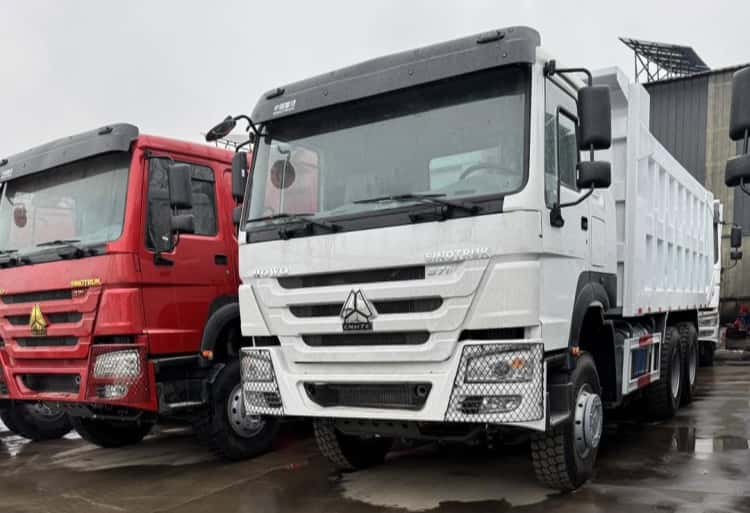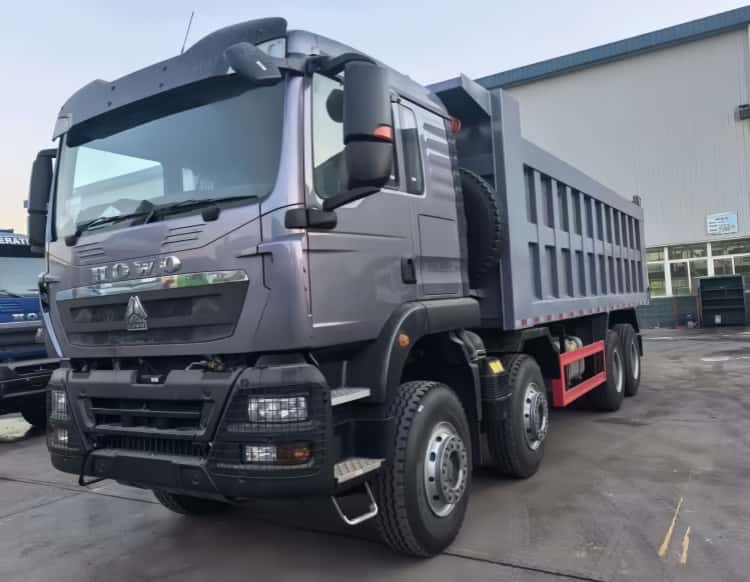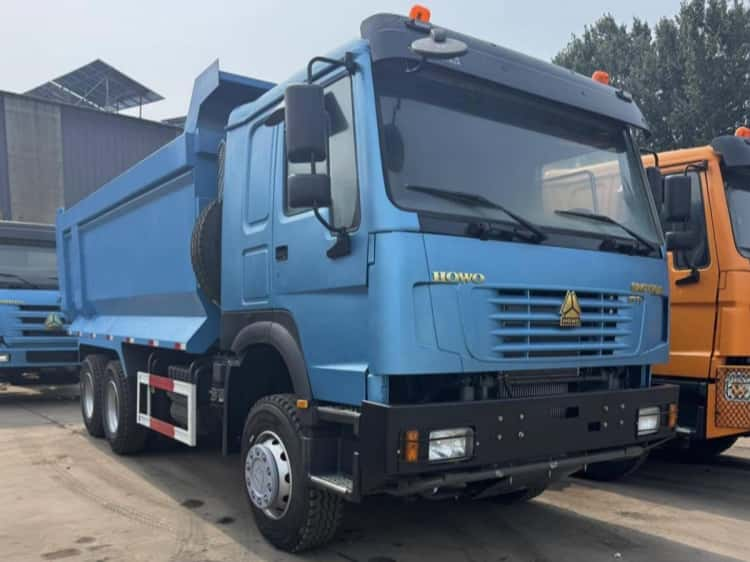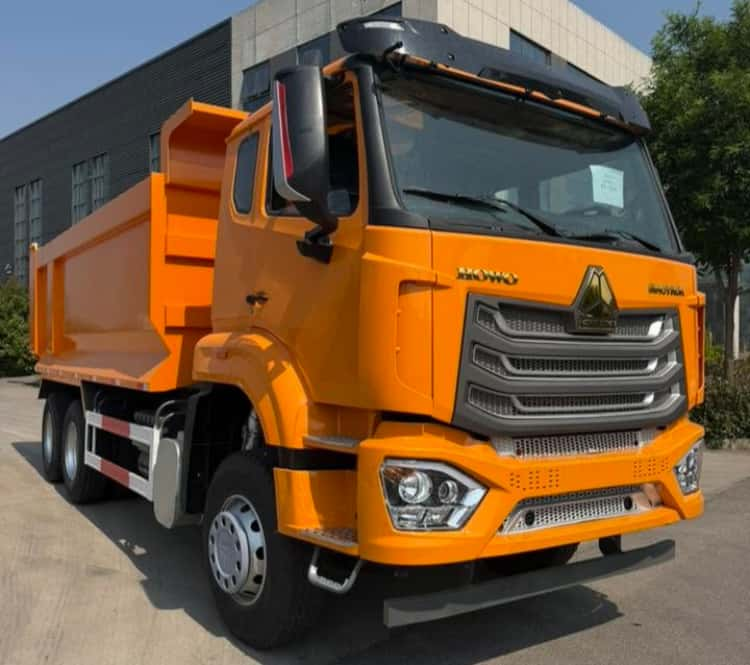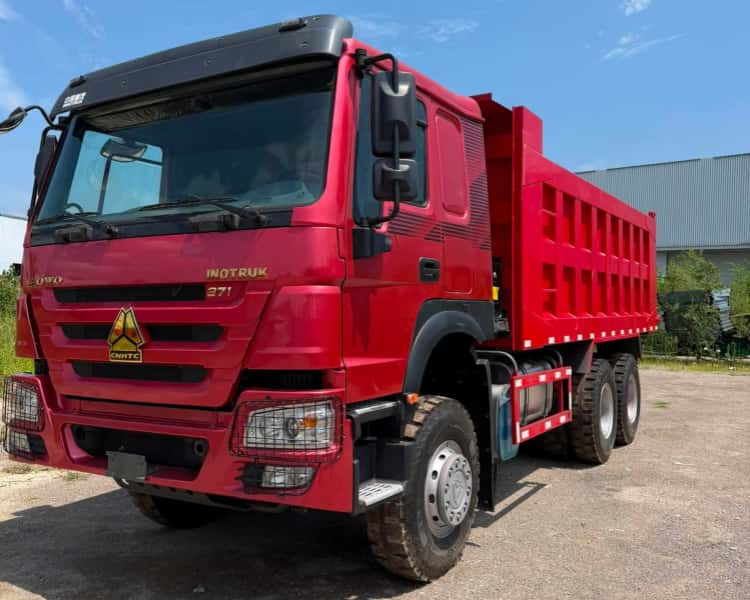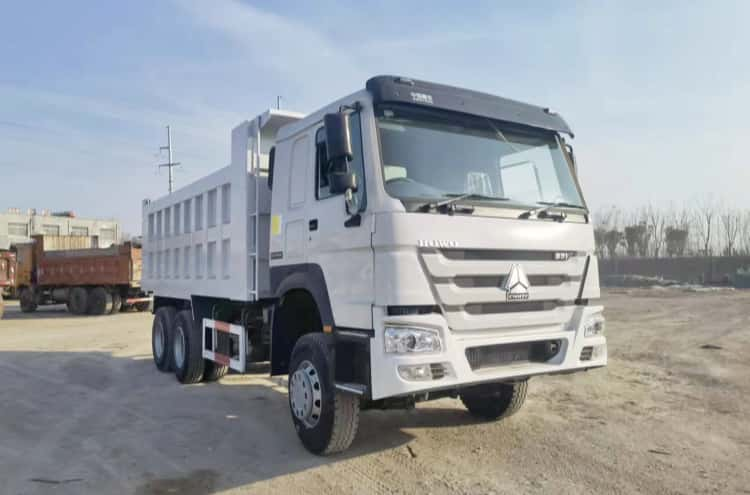
From Core Collection to Final Testing: The Path of Genuine Remanufactured
Introduction
Genuine remanufactured is a systematic lifecycle reset for the complete chassis and vehicle, rather than just swapping a faulty powertrain. Many workshops only repair or replace failed assemblies and call the result reman.
Genuine remanufactured at vehicle level evaluates, processes and validates the whole truck as one interconnected system. Every system, from cab, frame, powertrain, chassis, braking, steering to fuel and tire systems, follows unified pass/fail standards.
Skipping any system check means the vehicle cannot be classified as certified reman. This article tracks the full journey of a retired heavy commercial vehicle, starting from intake collection, through system-by-system inspection and restoration, all the way to full vehicle road validation before delivery to fleets.
Retired Vehicle Collection & Initial Vehicle-Level Pre-Screening
This is the starting point for whole-vehicle reman. Not every retired truck qualifies for genuine remanufactured.
- Vehicles are sourced from fleet take-back programs, formal vehicle scrapping channels and designated return pools.
- The team first collects full vehicle history: prior accident records, overload history, frame damage, major fire, water immersion, overheating incidents and previous large repairs.
- Visual overall inspection: check frame deformation, cab structural damage, severe corrosion and obvious system failure.
- A unique traceability ID is assigned to the whole vehicle at this reman stage. This single ID binds all subsequent system records, component reports and test data for the full lifecycle.
- Outcome: Qualified vehicles enter formal genuine remanufacturing works; units with irreparable frame damage, major collision structural failure are directly diverted for material recycling, instead of entering remanufacturing works.
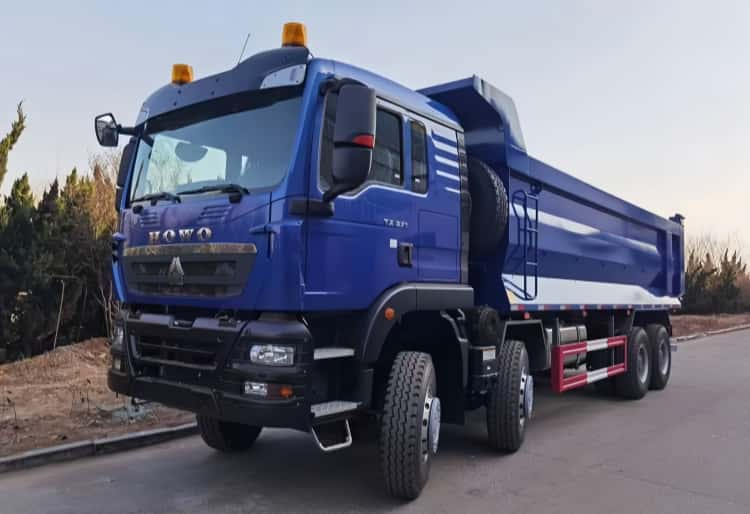
Whole-Vehicle Disassembly, System Separation & Deep Cleaning
Genuine remanufactured requires planned, structured disassembly by system, not only pulling broken parts.
- The vehicle is taken apart by major systems: cab assembly, frame, powertrain, drive axles, suspension, steering, brake system, fuel system, electrical harnesses and wheel end groups.
- Key structural parts and all sub-assemblies are fully separated. Critical fasteners, brackets and connection points are sorted and marked according to vehicle configuration.
- All components go through deep cleaning to remove sludge, carbon, road grime, rust and aged sealants. Cleaning reveals hidden cracks, pitting, corrosion and wear that cannot be seen on an assembled truck.
The core difference from regular repair: regular repair only opens the faulty system; whole-vehicle genuine remanufactured tears down and inspects every core system of the truck.
Frame & Cab Structural Verification (Vehicle Safety Foundation)
Frame and cab are the skeleton of the truck, the highest priority for whole-vehicle genuine remanufactured. Even if powertrain works well, structural defects disqualify the vehicle.
- Frame: dimensional measurement, straightness check, NDT crack detection on welds and load-bearing sections, corrosion thickness testing. Any fatigue crack or permanent bending beyond repair limits means the frame cannot be reused.
- Cab: check cab rollover protection structure, mounting points, door and hinge structures, floor and pillar corrosion. Cosmetic damage is separated from structural safety defects.
- Cab mounting brackets, suspension attachment points and fifth wheel mounting surfaces are measured and graded. All structural inspection results are recorded under the vehicle traceability ID.
System-by-System Component Grading, Renewal and Restoration
Each separated system goes through independent inspection, sorted into three categories, following REMAN ROAD rules:
Reusable structural parts: within OEM tolerance, no fatigue damage, can be retained after protection treatment.
Restorable parts: minor wear within repairable limits, restored by machining, surface treatment or alignment, and must be re-verified after restoration.
Mandatory replacement items: all wear parts, seals, bearings, brake friction materials, hoses, gaskets, timing components, rubber suspension bushes — replaced unconditionally regardless of appearance. Systems processed one by one:
- ✅ Powertrain system (engine, transmission)
- ✅ Axle and wheel end system
- ✅ Suspension system
- ✅ Steering system
- ✅ Full brake system
- ✅ Fuel and exhaust after-treatment system
- ✅ Electrical wiring, sensors and control modules
- ✅ Cab interior and auxiliary functional parts No system can be skipped just “because it still runs”.
This avoids the common risk: one aged, uninspected subsystem causing early failure after the truck is handed over to the fleet.
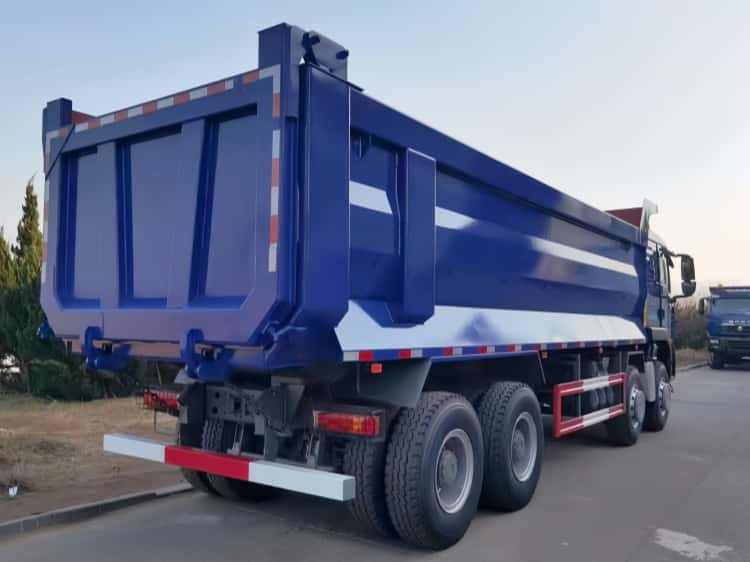
Precision Restoration for Eligible Structural & System Parts
Only structural and base parts that passed inspection can enter restoration.
- Frame straightening, surface anti-corrosion treatment
- Machining of mating surfaces, journal seats and mounting faces back to OEM specification
- Surface coating, thermal spraying and honing for wear surfaces
- After restoration, every restored part is re-measured and re-tested.
Any part out of tolerance is scrapped. Restoration is not for rescuing damaged unsafe structures; it is to return qualified base parts back to original design limits.
Vehicle System Reassembly, Matching and In-Process Verification
Reassembly is carried out on the frame in the correct vehicle build sequence, as a complete integrated machine, not just stacking fixed assemblies.
- Follow OEM factory specifications: torque values, tightening sequences, clearance settings, suspension alignment, brake preload and steering geometry.
- Cross-system matching check: powertrain and transmission calibration, CAN bus communication, sensor matching, brake coordination between service brake, parking brake and auxiliary brake.
- In-process inspectors sign off each system checkpoint, rather than only checking the finished truck.
A common failure of low-grade rebuilds: each assembly runs fine alone, but mismatched calibration or poor system coordination causes unstable performance on the road.
Integrated Vehicle Functional Testing & Road Validation
This is the critical final gate for genuine remanufactured, far beyond bench testing of individual components.
- Static workshop test: leakage check, air pressure system test, electrical function test, brake performance test, steering free-play check, lighting and instrument check.
- Dynamometer test: overall powertrain output, fuel consumption curve, emission compliance.
- Loaded road test: run under rated load, check acceleration, braking stability, vibration, temperature rise, handling, noise and fluid leakage under real working conditions.
- All system interactions are verified: how the brake, engine, transmission and after-treatment work together under shifting, climbing and deceleration.
A genuine reman vehicle cannot be released only because the engine starts. The whole vehicle must perform as an integrated unit. All test data is bound to the vehicle traceability ID.
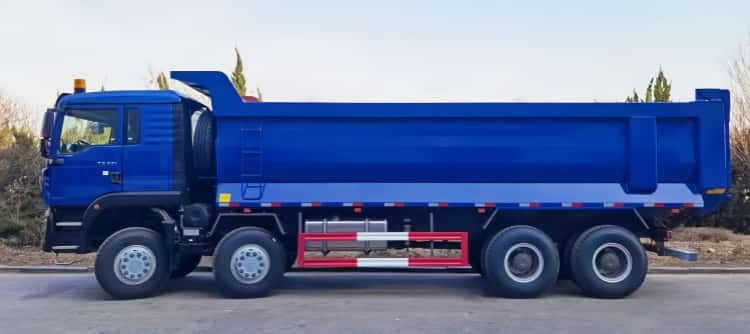
Whole-Vehicle Finishing, Documentation, Marking & Delivery
Once all static and road tests pass:
- Cab finishing, anti-corrosion coating, exterior painting and interior restoration are completed.
- The full vehicle traceability package is archived: original vehicle history, frame & cab structural reports, each system inspection record, replaced parts list, restoration logs, assembly records and full vehicle test reports.
- Unique reman identification marking is applied on the frame, for clear identification as a REMAN ROAD standard genuine reman vehicle.
- Whole-vehicle warranty document is issued. Unlike component-only warranty, genuine reman vehicle warranty covers the integrated whole vehicle for its new lifecycle, with clear coverage for all genuine remanufactured systems. The vehicle is now ready for fleet deployment.
Post-Delivery Fleet Feedback & Closed-Loop Tracking
The vgenuine remanufactured lifecycle does not end at delivery.
- Field operation data, maintenance records and warranty claims of the whole vehicle are collected.
- Root-cause analysis of system failures feeds back to update vehicle intake screening rules, system inspection standards and road test thresholds. This closes the loop, continuously improving the standard for future reman vehicles.
Mandatory Vehicle-Level Gates That Define Genuine Reman Vehicle
- Full vehicle history review + frame & cab structural NDT inspection
- System-wise full disassembly and deep cleaning
- Independent grading of every vehicle system, mandatory wear part renewal
- Restoration + re-verification of eligible structural components
- Sequenced whole-vehicle reassembly and cross-system matching calibration
- Static test, dyno test and loaded road validation of the integrated vehicle
- Complete vehicle traceability archive and whole-vehicle warranty
REMAN ROAD’s Role
REMAN ROAD defines reman standards from the whole commercial vehicle perspective. It treats the truck as an integrated asset, not a collection of separate parts. It provides a unified checklist for fleets and auditors to verify whether a supplier is doing genuine remanufactured, or only mixing repaired assemblies into an old frame and calling it reman.
Closing Summary
Genuine remanufactured resets the lifecycle of the complete truck. It starts from the retired vehicle itself, validates the safety of frame and cab, inspects and renews every interconnected system, re-matches all assemblies, and finally validates overall performance through integrated road testing.
The core difference between genuine reman vehicle and casual rebuilds is simple: rebuild focuses on making the truck run; standard remanufacturing works treats the entire vehicle as one system, and resets its overall reliability back to OEM-equivalent level, with full vehicle-level evidence recorded at every reman stage.