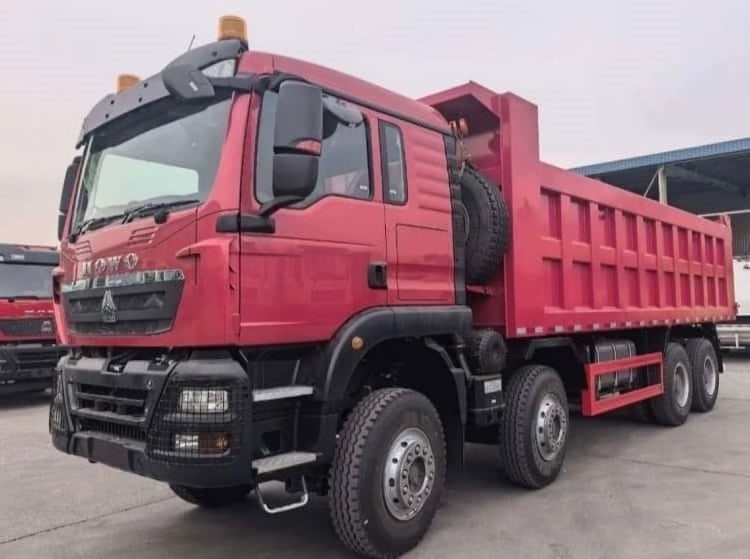
Bench Test Specifications: Dynamometer, Hydraulic & Brake Acceptance Thresholds
Introduction
Full disassembly, NDT screening and component grading confirm individual part integrity, but they cannot prove that assembled subsystems work together as an integrated unit. Bench testing is the final objective performance gate before a reman truck receives REMAN ROAD certification. This article defines standardised bench test protocols and quantifiable acceptance thresholds for three core test categories: engine dynamometer testing, hydraulic circuit testing and brake system performance testing. All results are logged and linked to the VIN in the asset traceability dossier. No unit can proceed to final delivery if it fails any mandatory threshold.
General bench testing ground rules
These rules apply across dynamometer, hydraulic and brake testing:
- Testing is conducted under calibrated, controlled ambient temperature, pressure and fuel/oil grade matching reference specifications.
- All test equipment is calibrated on schedule, with calibration certificates retained for audit.
- Test sequence follows a standardised warm‑up cycle; cold‑start only spot checks are not accepted as formal validation.
- All data points, deviations and waveform records are saved digitally. Handwritten notes alone are insufficient.
- Any out‑of‑threshold result triggers troubleshooting, disassembly and rework. After correction, the full bench tests must be repeated.
- Acceptance thresholds are aligned with the original OEM baseline, adjusted for certified reman design limits, not reduced for “acceptable wear”.
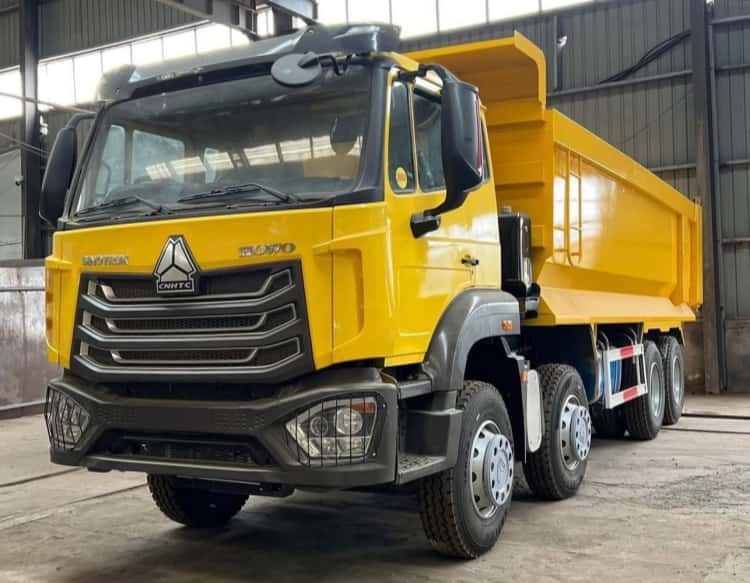
Dynamometer (Dyno) Test Specifications – Powertrain
Dynamometer testing verifies engine output, torque curve, fuel consumption, smoke emission and thermal stability under controlled load. This differentiates certified reman trucks from rebuilt engines that idle smoothly but degrade quickly under sustained haulage load.
Test sequence
- Pre‑test inspection: fluid levels, sensor connectivity, leak check
- Gradual warm‑up to operating temperature
- Steady‑state mapping across defined RPM load points
- Full torque ramp to rated load and sustained hold period
- Transient load cycle simulation to mimic site hauling, acceleration and load swings
- Cool‑down phase and post‑test fluid inspection for contamination
Acceptance thresholds
- Rated power: Minimum 95% of OEM advertised net rated power at specified RPM
- Peak torque: Minimum 94% of OEM peak torque value within the defined torque band
- Fuel consumption: Within ±5% of OEM baseline at matched load points
- Exhaust smoke: No visible black smoke under steady full load; transient smoke limited to standard thresholds
- Oil pressure: Maintains OEM operating range at idle and full load; no sharp pressure drop under load
- Coolant temperature: Stabilises within OEM window; no progressive overheating during sustained full‑load hold
- Blow‑by: Crankcase blow‑by below the maximum allowable flow rate for the engine model
- Noise and vibration: No abnormal knocking, rattling or resonant vibration at fixed load points
Rejection triggers
Power or torque below the minimum threshold, rising blow‑by, thermal runaway under sustained load, erratic oil pressure, excessive smoke that cannot be traced to calibration or minor sensor faults.
Hydraulic System Bench Test Specifications
This covers tipping hydraulics, steering hydraulics and auxiliary hydraulic circuits for dump trucks and construction heavy vehicles. The test validates pressure retention, flow rate, response speed and leak tightness.
Test sequence
- System bleed and warm‑up of hydraulic fluid
- Static pressure hold test
- Full cycle test: extend, hold, retract at rated load
- Relief valve setpoint verification
- Cycling endurance test (repeated full stroke cycles)
- Post‑test inspection for internal and external leakage
Acceptance thresholds
- Relief valve cracking pressure: Within ±3% of OEM rated setting
- Static pressure retention: No more than 5% pressure drop over 5‑minute hold at working pressure (no drift)
- Actuator cycle time: Extend / retract speed within OEM specified range
- External leakage: Zero visible oil seepage at fittings, seals, hoses and cylinder joints; minor film staining is rejected
- Internal leakage: Cylinder drift under static load below the maximum allowable descent rate
- Pressure stability: No pressure spikes or hunting during continuous cycling
Rejection triggers
Uncontrolled pressure decay, slow cylinder action above tolerance, measurable drift under load, external seepage, relief valve mis-setting that creates overpressure risk.
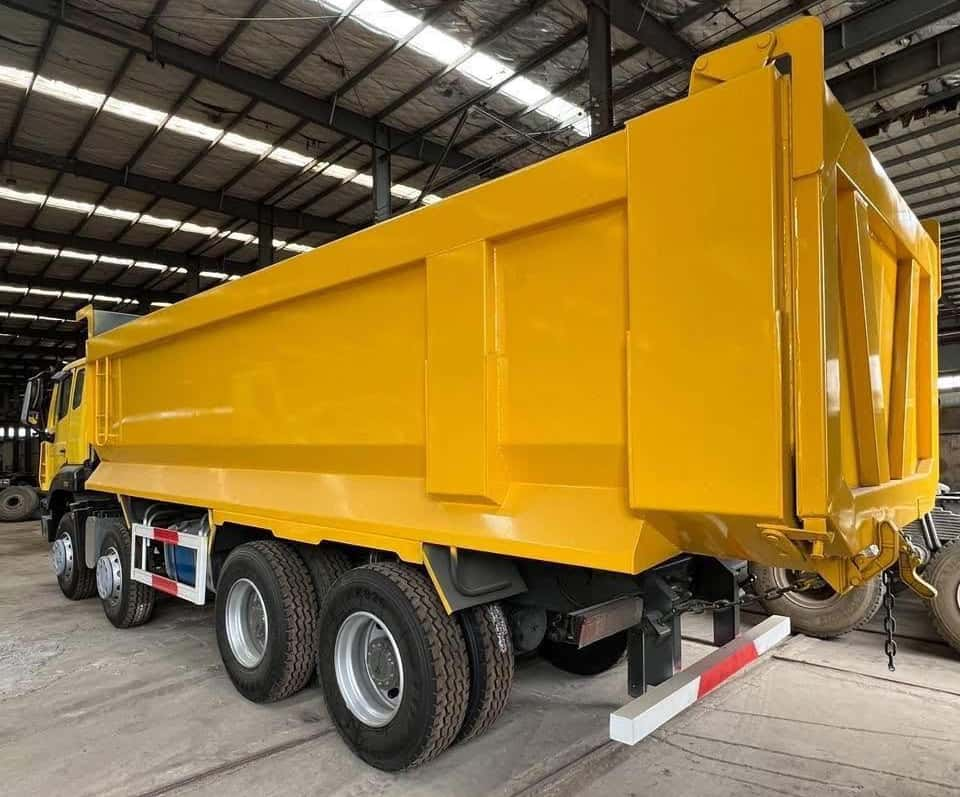
Brake System Bench Tests Specifications
Brake bench testing validates service brakes, parking brake and brake balance across all axles. Brake performance is safety-critical and carries the strictest pass criteria under REMAN ROAD.
Test sequence
- Air circuit pre-charge and leak-down test
- Service brake application at multiple pressure levels
- Axle-by-axle brake force measurement
- Brake balance comparison across left/right and front/rear
- Emergency brake and parking brake holding test
- Pressure response time test
Acceptance thresholds
- Air system leak-down: Pressure loss ≤ 20 kPa within 5 minutes with compressor off
- Brake force: Each axle achieves minimum 90% of OEM design brake force at rated application pressure
- Left‑right imbalance: Brake force difference between same-axle sides ≤ 10%
- Response time: Brake pressure build-up and release time within OEM limits
- Parking brake: Holds the fully laden static vehicle on the defined gradient with no creep
- ABS function (where fitted): ABS triggers correctly during controlled deceleration, no false activation or failure to modulate
Rejection triggers
Excessive air loss, large brake imbalance, insufficient braking force, parking brake creep, slow brake response, faulty ABS modulation. Brake imbalance is a high-priority failure, as it causes skidding and directional loss on wet or loose haul roads.
Combined system interaction check
Individual subsystems must also function together. During dyno loaded operation, brake application and hydraulic actuation are triggered while the engine is under load. This confirms that power draw from hydraulic pumps and brake air compressors does not pull engine performance below thresholds. A common hidden defect: an engine that passes standalone dyno testing but sags sharply when the tipping hydraulic pump activates under load. This condition will fail the integrated bench validation.
Test documentation requirements for certification
Each bench testing record stored in the VIN dossier must contain:
- Dynamometer / hydraulic / brake test report reference ID
- Equipment serial number and calibration expiry
- Ambient conditions and fluid specifications
- Raw data curves, peak values and pass/fail summary
- Notes of any rework and re-test results
- Signature of qualified test technician and quality sign-off
A reman truck cannot be marked REMAN ROAD certified if bench testing records are missing, incomplete or show threshold breaches.
Common bench test shortcuts prohibited
- Skipping sustained load hold and only testing idle or light load
- Accepting minor external hydraulic seepage as “normal”
- Ignoring brake imbalance if the vehicle stops adequately on a quick road test
- Bypassing ABS test cycles
- Using uncalibrated portable gauges in place of fixed bench test rigs
- Recording only pass summary without retaining raw curve data for audit

Closing
Dynamometer, hydraulic and brake bench tests turn theoretical component integrity into proven system performance. The dyno confirms the powertrain delivers consistent power under real working load; hydraulic testing eliminates slow cycles, drift and hidden leaks; brake testing guarantees balanced, reliable stopping power.
These fixed acceptance thresholds are non-negotiable REMAN ROAD quality gates. They catch assembly errors, calibration drift and subsystem mismatches before the truck is deployed to remote construction, mining and haulage sites, cutting unexpected safety risks and downtime for fleet operators.