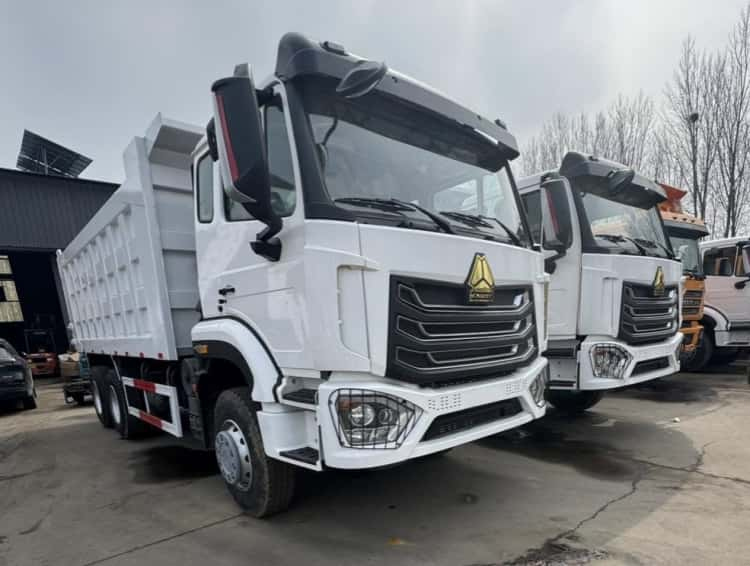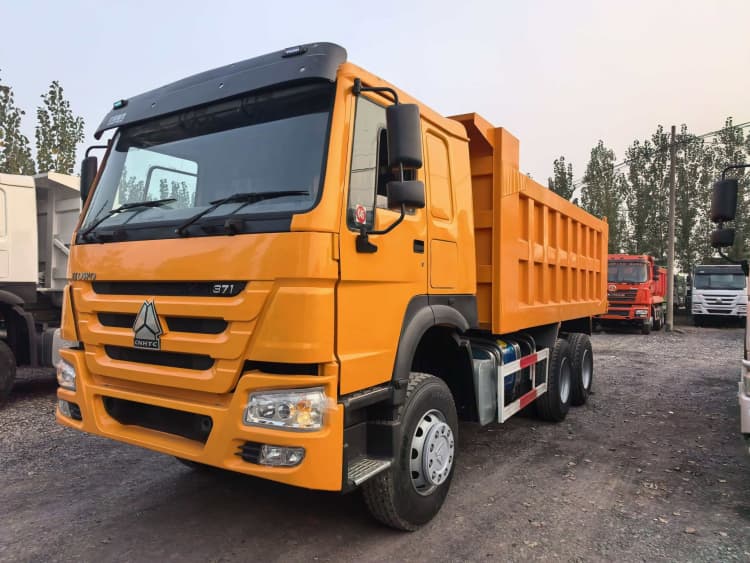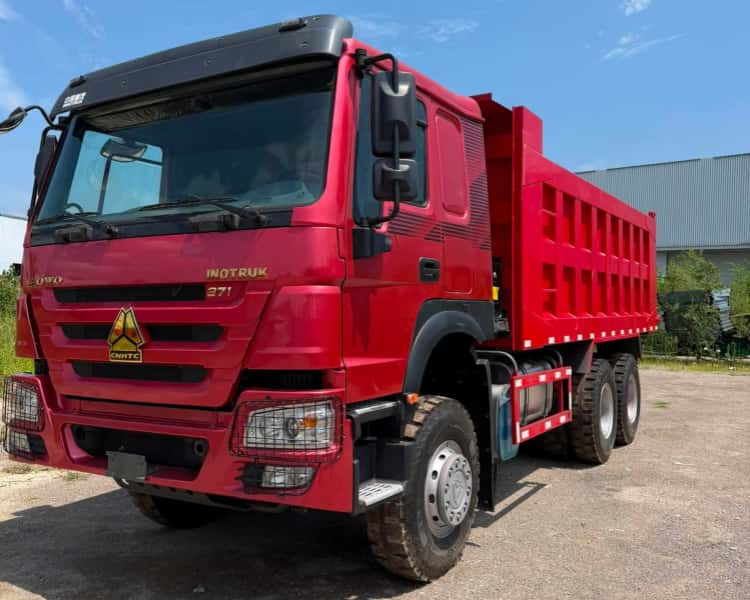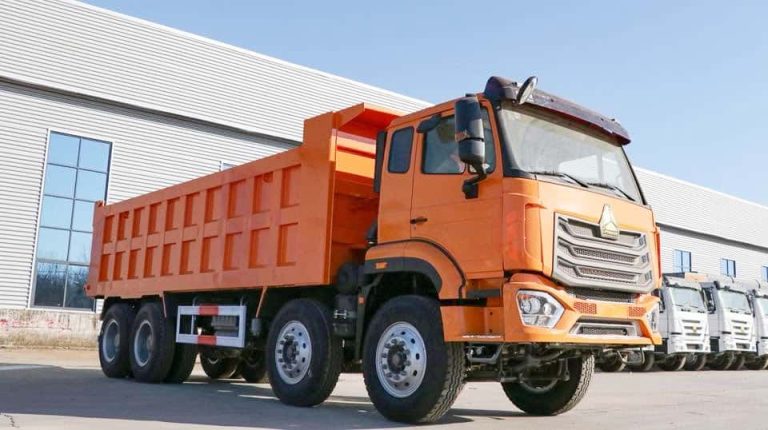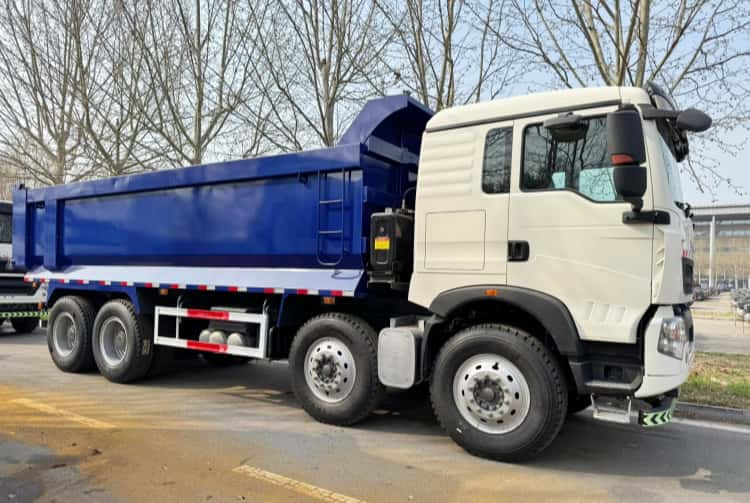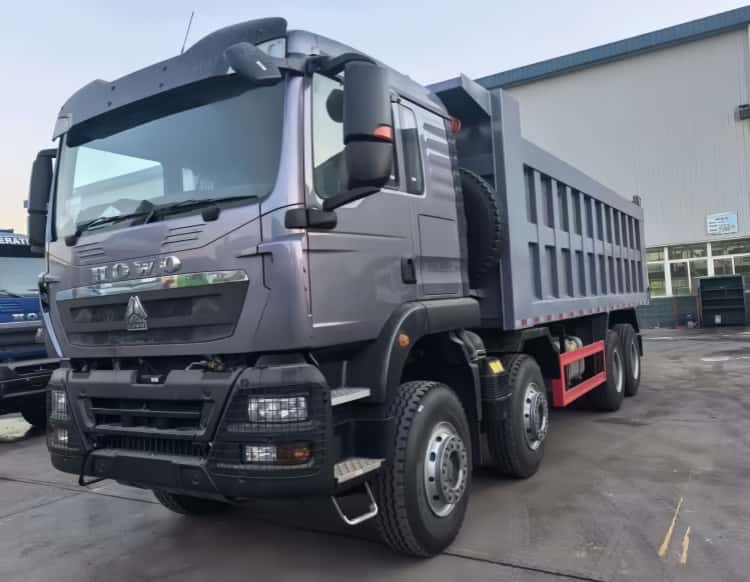
What Qualifies a Product as Genuine, Truly Remanufactured Vehicle?
Introduction
“Remanufactured” has become a widely used marketing term across the heavy truck industry. Many rebuilt, overhauled or cosmetically refurbished vehicles are labelled reman, even though they do not meet rigorous truly remanufacturing requirements. For fleet owners, this confusion leads to unexpected breakdowns, poor residual asset value and invalid ESG carbon claims.
A vehicle is only a genuine, truly remanufactured vehicle when it satisfies a complete set of mandatory, auditable criteria defined by standards such as REMAN ROAD. It is not enough for the truck to look clean and operate. Every gate in the remanufacturing workflows must be completed, documented and verified. This article lays out all the core qualification rules.
The Starting Core Must Pass Rigorous Qualification & NDT Screening
Truly remanufacturing begins before any disassembly work. The retired vehicle core must first pass acceptance evaluation.
- Full asset history review: previous accidents, heavy overload records, service and failure logs.
- Visual and dimensional inspection of load-bearing structures including frame, engine block and axle housings.
- Mandatory non-destructive testing (NDT) to detect hidden cracks, material fatigue and severe corrosion.
- Rejection rule: any core with irreparable structural deformation, crash damage or excessive metal fatigue cannot enter reman production and must be sent for scrap recycling.
Only cores with intact base material properties are eligible. This rule eliminates assets carrying hidden structural risks that simple refurbishment would overlook.
Complete Full Disassembly of the Entire Vehicle
A truly remanufactured vehicle requires full teardown down to individual discrete components. Partial disassembly disqualifies it from truly remanufacturing status.
- All fluids are drained safely. Cab, powertrain, axles, suspension, braking, wiring and auxiliary assemblies are fully stripped.
- Every component is tagged and linked to the vehicle VIN to prevent part mix-ups.
- Each individual part moves to cleaning and grading; no major assembly remains sealed or uninspected.
Partial teardown — only opening the engine or fixing visible faults — is repair or overhaul, not truly remanufacturing.
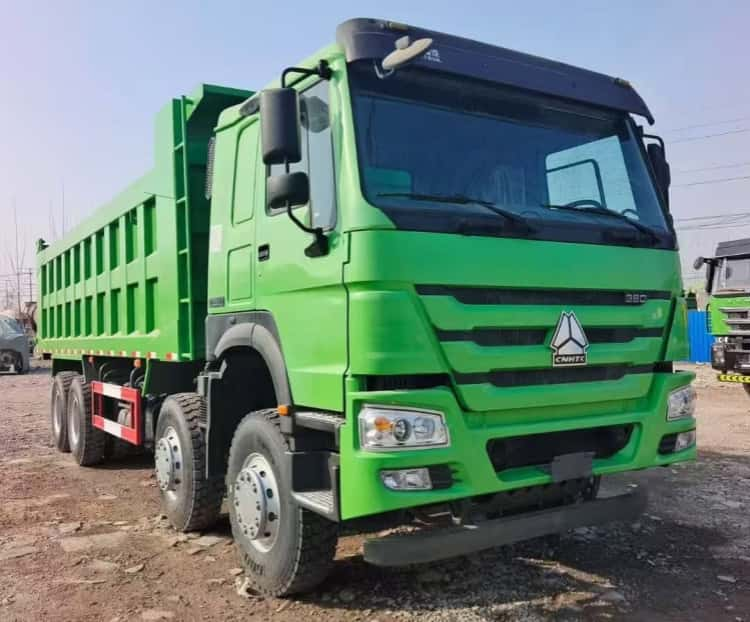
All Components Are Cleaned, Inspected and Formally Graded
After disassembly and cleaning, every single component must be inspected and assigned a clear grade: reusable, repairable or scrap.
- Carbon, grease, rust and old coatings are fully removed.
- Critical load-bearing and rotating components receive secondary NDT after cleaning.
- Reusable or repairable parts must meet OEM metallurgical and dimensional limits.
- Any part exceeding wear, distortion or fatigue thresholds is classified as scrap and replaced.
No component can skip inspection. This systematic grading ensures no worn or damaged part is hidden inside the finished vehicle.
Precision Restoration of Reusable Components to OEM Dimensional Tolerances
Reusable cast and forged structural components must be precision-machined to restore original OEM tolerances.
- Crankshaft grinding, cylinder block line boring, cylinder head resurfacing and bushing reaming are performed as required.
- Post-machining dimensional verification with calibrated measuring tools confirms all dimensions fall within OEM allowable limits.
- Machining stock removal cannot exceed OEM maximum permitted limits; components over the limit must be scrapped.
Without dimensional restoration, residual wear remains, and the asset cannot achieve new-equivalent performance.
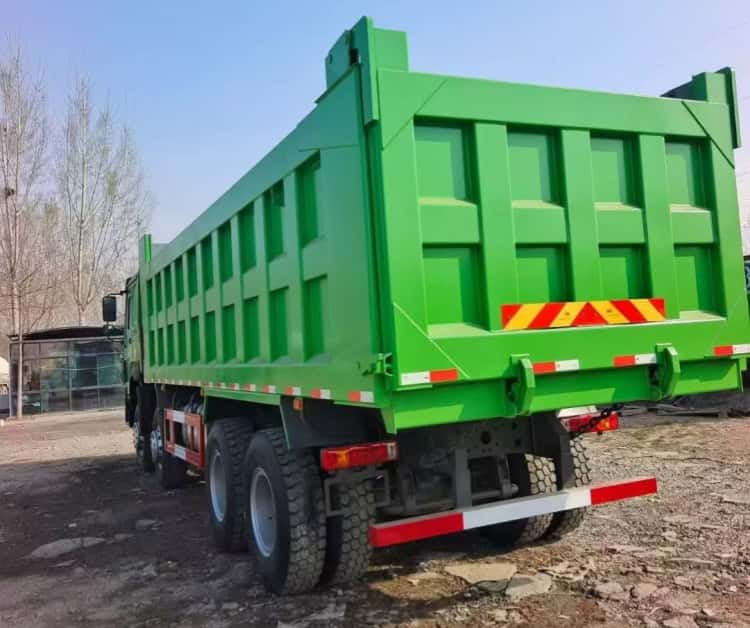
Proactive Replacement of All Fatigue-Critical and Consumable Parts
This is one of the most important qualifying criteria. All fatigue-limited components must be replaced with new, specification-compliant parts, regardless of visual condition. Examples include bearings, piston rings, seals, gaskets, valve springs, brake friction materials, hoses, fasteners and rubber components.
The rule is preventative, not reactive. Parts are replaced at the point of remanufacturing, not waiting for them to fail in service. Simple overhaul only replaces parts that are already broken or leaking.
Reassembly Under Standard SOP, Plus Electronic Calibration
Rebuilding follows documented standard operating procedures, including defined torque sequences, sealant requirements and cleanliness controls.
- Sub-assemblies such as engines, transmissions and axles are rebuilt first and bench-tested before chassis fitment.
- ECUs, fuel systems and sensor networks are fully calibrated back to OEM factory specifications.
- All wiring harnesses are inspected, repaired or replaced where degraded.
Poor assembly or uncalibrated electronic controls will prevent the vehicle from reaching new-equivalent performance.
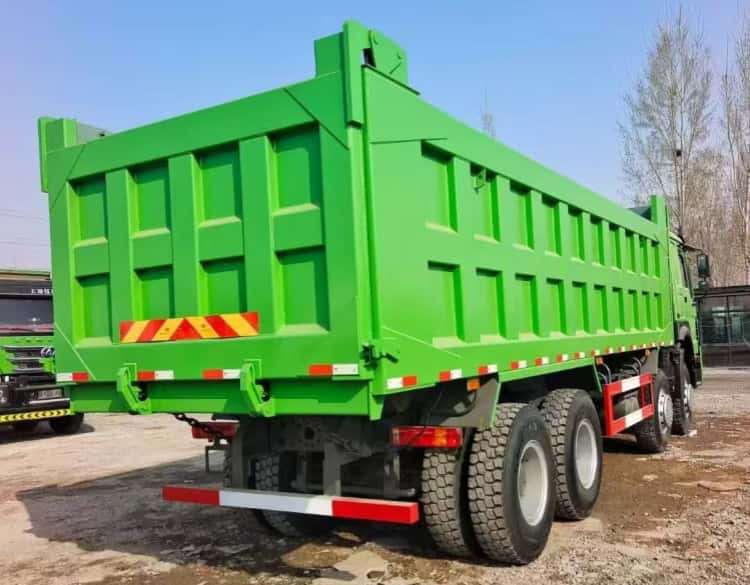
Mandatory Bench Testing and Full-Load Road Validation
Functional testing is not optional for truly remanufactured vehicle.
- Sub-assemblies undergo instrumented bench testing to verify power, torque, pressure, leak tightness and vibration against OEM benchmarks.
- The fully reassembled truck completes a full-load road test under simulated heavy-duty working conditions.
- Any out-of-spec performance triggers rework. The vehicle cannot move to certification until all metrics meet near-new OEM standards.
A simple start-and-run check is insufficient. Quantified performance data must be captured and stored.
Complete VIN-Bound Traceability Dossier
A truly remanufactured vehicle must have a full traceability dossier permanently linked to its unique VIN. The dossier includes:
- Core intake inspection and NDT reports
- Component grading logs
- Machining records
- Full list of replaced parts and batch information
- Bench and road test data
- Final quality inspection results
This documentation is the evidence trail. Without it, the reman claim is self-reported and unverifiable.
Independent Third-Party Verification and Certification
Self-certification by the remanufacturer alone is not enough to qualify as truly reman under REMAN ROAD. An independent third-party auditor reviews the complete workflow records, inspects the vehicle and confirms all reman gates were fully completed. Only after successful audit can the official reman certificate be issued.
Delivers Near-New OEM Performance and a Reset Service Cycle
The final functional qualification benchmark: the finished truly remanufactured vehicle must achieve near-new OEM performance and a fully reset service cycle. This means it can operate under continuous heavy load for a full service cycle with reliability comparable to a new heavy truck. It is not merely patched to run for a short period.
What Does NOT Qualify as Truly Remanufacturing?
These common offerings fail the truly reman criteria:
- Cosmetic refurbishment: cleaned and repainted, only obvious faults fixed
- Partial overhaul: engine rebuilt, chassis and other assemblies not fully disassembled
- Repair work: only broken components replaced, no full teardown or NDT
- Self-certified rebuilds without independent audit and incomplete traceability records
Key Questions Fleet Buyers Should Ask Suppliers
Before accepting a “remanufactured” vehicle, buyers can validate qualification with these questions:
- Can you provide NDT inspection reports for the core chassis and major cast components?
- Was the vehicle fully disassembled down to individual parts?
- Is there a complete parts log showing all fatigue components proactively replaced?
- Are bench test and full-load road test results available tied to this VIN?
- Is certification reviewed and issued by an independent third party?
- Can you share the full VIN-linked traceability dossier?
If the supplier cannot answer yes to all, the vehicle is not genuine remanufactured.
Conclusion
A vehicle qualifies as genuine, truly remanufactured vehicle only when it meets the full set of gated requirements: qualified NDT-screened core, complete disassembly, full component grading, precision dimensional restoration, proactive fatigue part replacement, SOP reassembly, quantified bench and road testing, full VIN traceability and independent third-party certification. The end result must deliver near-new OEM performance and a fully reset service cycle.
Standards like REMAN ROAD turn these criteria into clear procurement rules, enabling fleet buyers to separate authentic reman vehicles from superficial rebuilds and avoid costly mispurchases.