
REMAN ROAD Standard: The Global Benchmark for Certified Reman Heavy Vehicles
Introduction
The global heavy vehicle remanufacturing market has long suffered from fragmented definitions, inconsistent rebuild scopes and unreliable quality benchmarks. The label “remanufactured” is freely applied to basic cosmetic overhauls, partial repairs and undocumented reconditioning, leaving fleet buyers with no reliable way to compare assets across vendors, regions and borders.
The REMAN ROAD Standard was built to solve this gap. It establishes a repeatable, auditable framework for heavy vehicle remanufacturing, turning reman from a vague marketing term into a verifiable asset class. For fleet managers, procurement teams, auditors and cross-border traders, this standard acts as a common language to assess quality, safety, lifecycle performance and ESG value.
Unified definition of genuine remanufacturing
At its foundation, the REMAN ROAD Standard clearly distinguishes genuine remanufacturing from overhaul, refurbishment and ordinary repair. It requires full disassembly of core assemblies, rather than targeted fault fixing. Every critical component is cleaned, inspected, graded, renewed or replaced according to fixed technical rules. Cosmetic upgrades are secondary; the core objective is resetting the service life of the vehicle to a defined performance baseline.
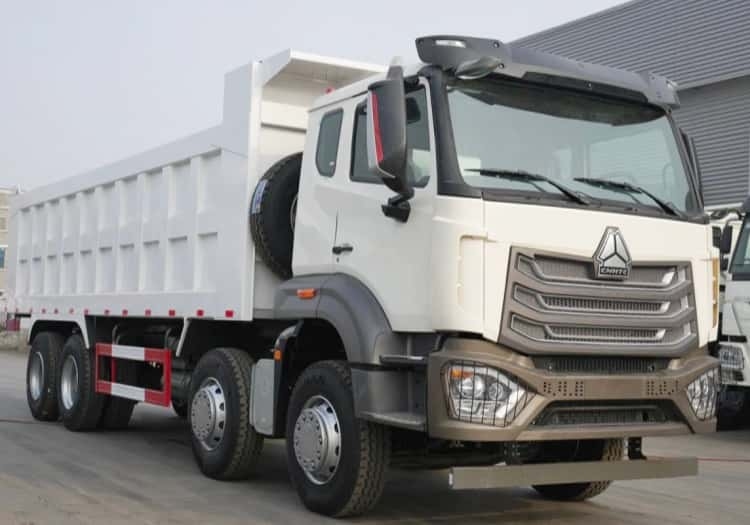
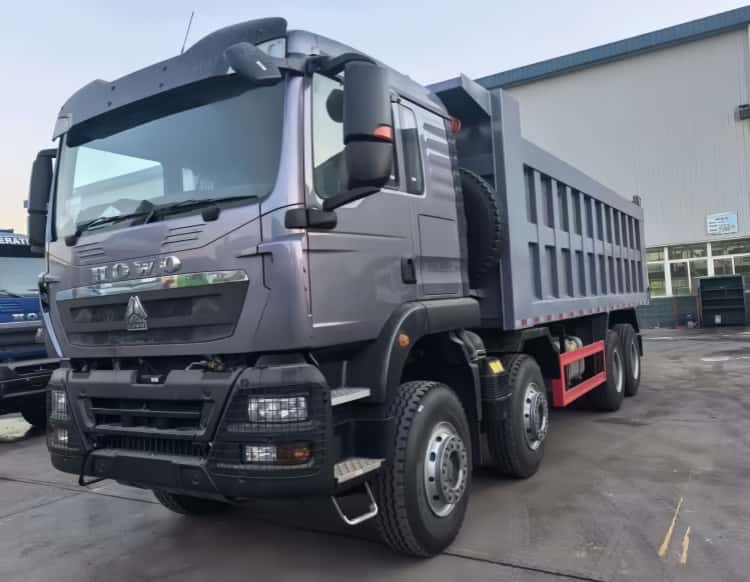
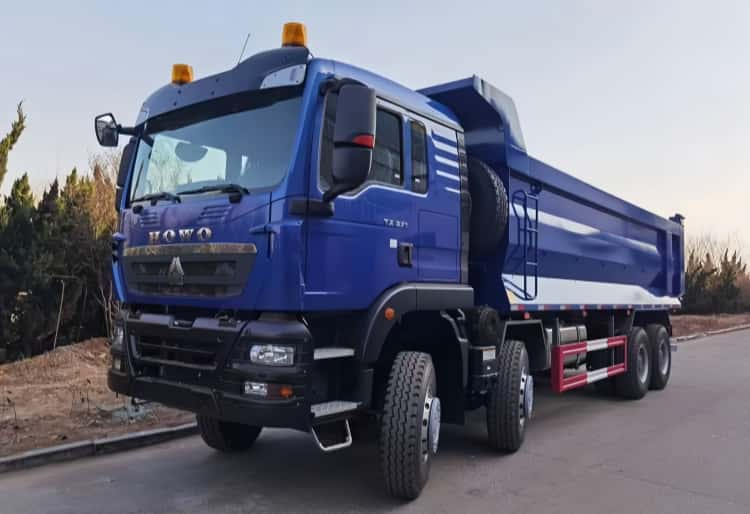
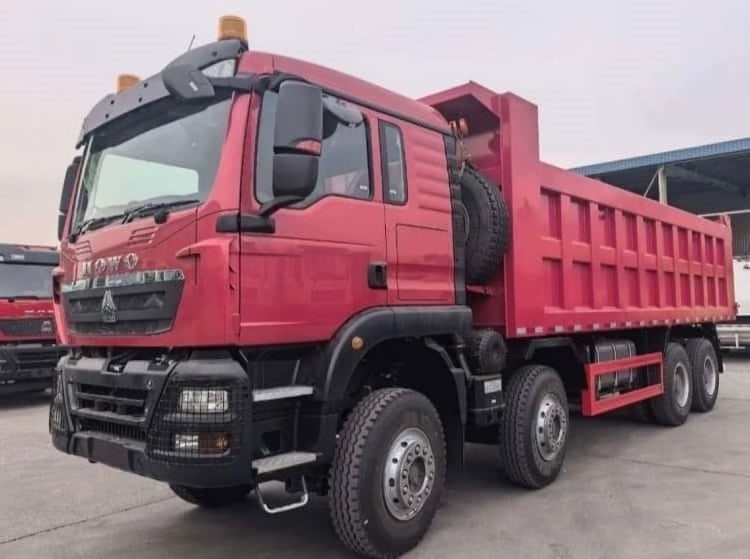
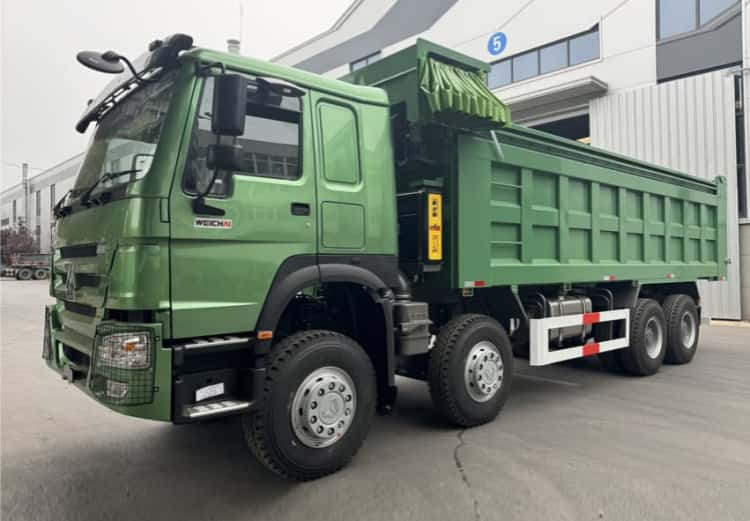
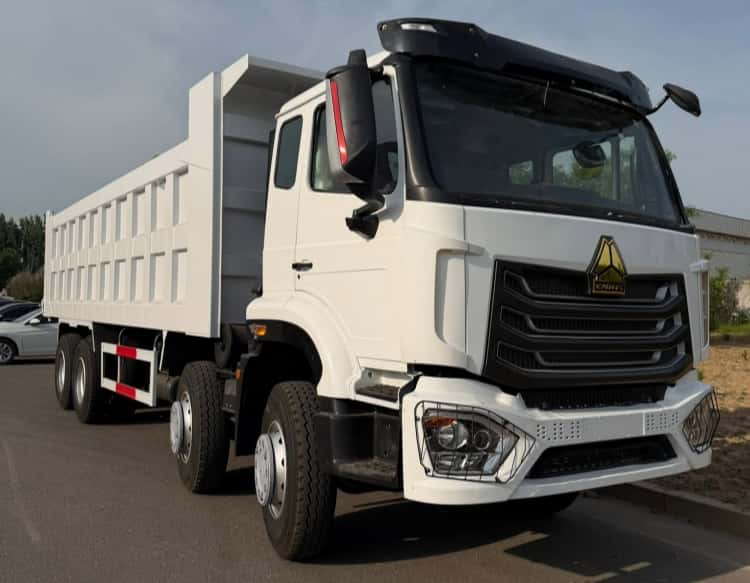
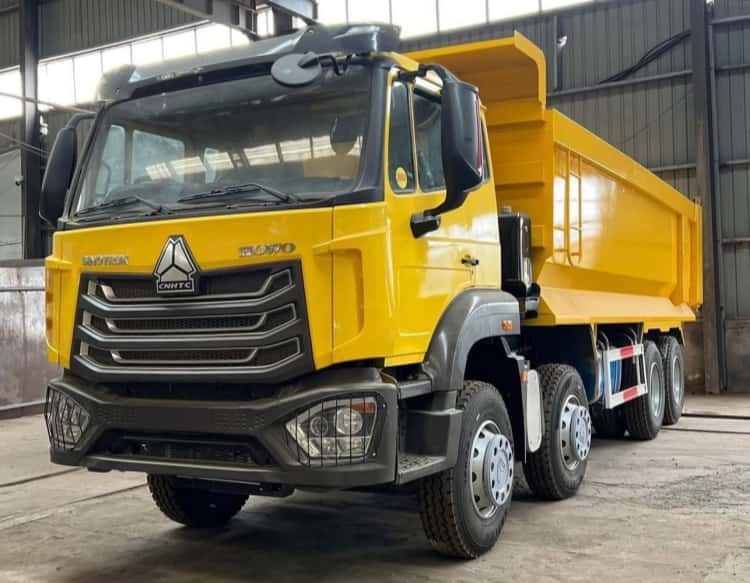
This definition is consistent across all qualified suppliers, whether rebuilding Howo, Shacman or Sitrak heavy trucks. Buyers do not need to negotiate what “reman” means with each vendor. The standard sets the baseline upfront.
Mandatory non-destructive testing for all structural and high-risk components
NDT is not an optional add-on under REMAN ROAD Standard; it is a non-negotiable quality gate. Frame rails, suspension brackets, steering knuckles, axle housings, fifth wheel mounts and crankshafts must go through approved testing methods including magnetic particle inspection, ultrasonic testing and dimensional verification. Any fatigue cracks, residual deformation or improper weld repairs are flagged. Non-conforming cores are either repaired to approved engineering specifications or rejected outright.
This rule eliminates the largest hidden risk in uncertified rebuilds: latent structural defects masked by paint and surface grinding.
Graded core acceptance and controlled component sourcing
REMAN ROAD standard formalises core grading before rebuilding begins. Cores are sorted into acceptable, repairable and scrap categories using measurable criteria around accident history, overload damage, corrosion and material fatigue.
Replacement parts must meet defined quality specifications, with full traceability for critical powertrain components. Low-grade generic aftermarket parts or unvetted second-hand assemblies are prohibited for safety-critical positions. This removes the variability that makes uncertified rebuild performance unpredictable.
End-of-line performance validation before certification release
No REMAN ROAD certified reman heavy vehicles leaves the rebuild facility after assembly alone. Each completed vehicle undergoes dyno testing, loaded performance validation, brake system calibration, hydraulic function checks and cooling system stability testing. Performance metrics are recorded and stored against the VIN. The truck must meet fixed power output, torque and emission benchmarks to receive its certification dossier.
This separates certified reman heavy vehicles from units that merely start and idle, yet fail under sustained site payload and off-road vibration.
VIN-linked full lifecycle traceability dossier
A core pillar of the REMAN ROAD standard benchmark is digital traceability. Every certified reman heavy vehicles carries a permanent, VIN-bound record package: core grading sheets, NDT reports, component replacement logs, dyno test data, build checklists and warranty terms. This dossier follows the asset through deployment, maintenance, tender audits and eventual resale.
Auditors, funders and formal fleet buyers can independently verify the rebuild scope without relying on seller claims. This traceability is what unlocks eligibility for green tenders, ESG reporting and donor-funded infrastructure projects across Africa and Central Asia.
Standardised warranty and accountability rules
REMEN ROAD standard sets consistent minimum warranty frameworks and clear fault attribution rules. Warranty coverage differentiates between remanufactured core assemblies, wear-and-tear consumables and damage caused by improper operation or overload. Responsibilities of the rebuilder, seller and fleet operator are clearly defined. Unlike informal refurbishment vendors who can disclaim most failures, certified suppliers operate under shared, published warranty rules.
This gives fleet operators predictable recourse and reduces commercial disputes in cross-border trade.
Cross-border interoperability for global reman trade
As a global benchmark, REMAN ROAD standard is designed to work across regional markets with different tender and customs requirements. Its technical records and carbon reduction documentation are structured to support cross-border shipment, asset valuation, insurance underwriting and regional audit requirements. For fleet groups operating across multiple countries, a single REMAN ROAD asset standard simplifies procurement, fleet mixing and asset rotation across borders.
It addresses one of the biggest pain points for international buyers: the lack of mutually recognised quality proof when purchasing reman trucks from overseas rebuilders.
Built-in ESG and carbon accounting methodology
REMAN ROAD standard embeds lifecycle carbon calculation into the rebuild workflow. Each certified reman heavy vehicles generates verified embodied carbon saving data compared to manufacturing an equivalent new heavy truck. These auditable carbon records are tailored for fleet ESG reporting, green tender evaluation and sustainability compliance. This differentiates REMAN ROAD from purely mechanical rebuild standards that ignore environmental impact.
For fleets bidding on sustainability-linked contracts, this built-in carbon evidence creates a direct commercial advantage.
How the REMAN ROAD Standard compares against competing benchmarks?
Many regional rebuild guidelines are loose, site-specific or focused only on component-level reman. REMAN ROAD is a full-heavy vehicle remanufacturing standard covering chassis, powertrain, documentation, warranty and ESG disclosure together.
- Refurbished trucks: No fixed rebuild scope, no mandatory NDT, no standardised dossier
- Local overhaul standards: Often informal, not recognised by cross-border auditors
- Component-only reman standards: Do not govern full vehicle assembly and chassis integrity
- REMAN ROAD: Full-system, auditable, cross-border standard for complete heavy vehicles
Common misconceptions about the standard
The REMAN ROAD Standard is not a brand badge applied after the fact. It is a workflow enforced at every rebuild stage. A sticker alone does not make a truck compliant. Without matching NDT records, test logs and VIN traceability files, the certification is invalid.
It also does not claim reman trucks are identical to brand-new OEM trucks. It defines a consistent, verifiable reset lifecycle performance level, with clear operating boundaries and maintenance requirements for fleet operators.
Closing
What makes REMAN ROAD standard a global benchmark for certified reman heavy vehicles is its holistic, auditable structure. It defines rebuild rules, enforces structural safety screening, standardises performance testing, locks in traceability, formalises warranty accountability and integrates verifiable carbon impact data.
For fleet operators in Africa, Central Asia and other high-demand markets, the standard solves the historic uncertainty of buying reman assets. It turns remanufacturing into a predictable, tender-eligible, cross-border asset class — one that delivers controlled TCO, protected residual value and lower downtime risk when managed within planned asset cycles.
2 Comments