Digital Twin Validation: Simulating Reman Truck Performance Before Road Test
Introduce
For REMAN ROAD certified reman trucks, digital twin validation acts as a pre‑gate simulation layer that sits between component reassembly and physical dyno or road testing. It is not a replacement for real‑world bench and road verification, but an engineering screening tool that predicts system behaviour, flags assembly risks and validates whether the reman truck can hit OEM‑equivalent performance before the vehicle rolls onto the test track.
This process closes quality gaps that traditional inspection and manual testing alone may miss, and it creates another traceable dataset for fleet buyers, auditors and ESG documentation.
Core Concept of the Reman Truck Digital Twin
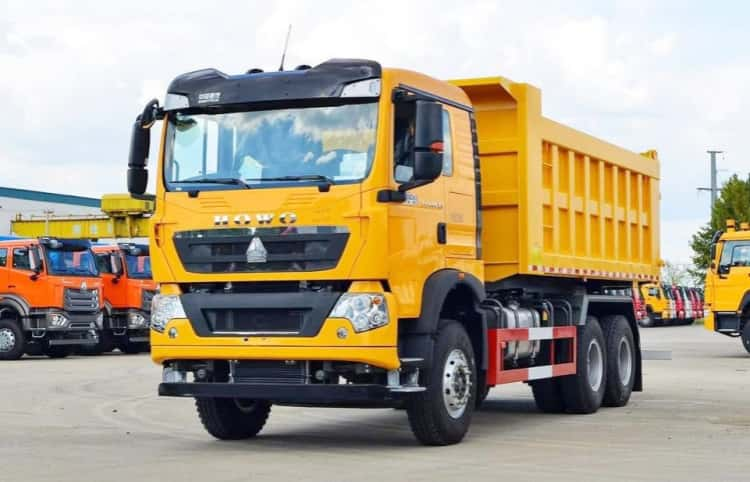
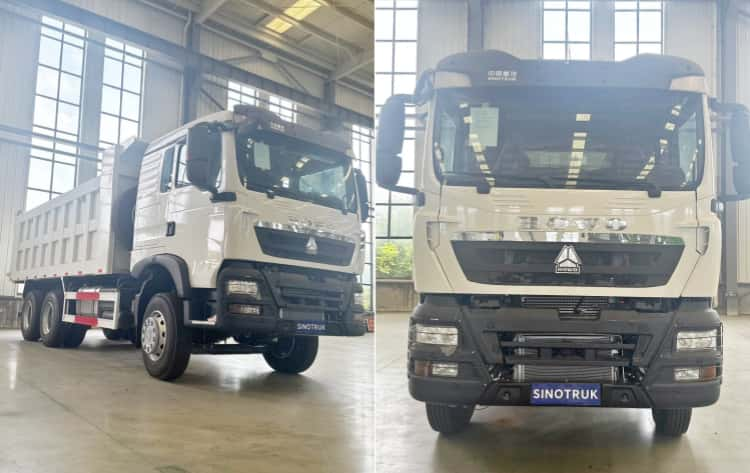
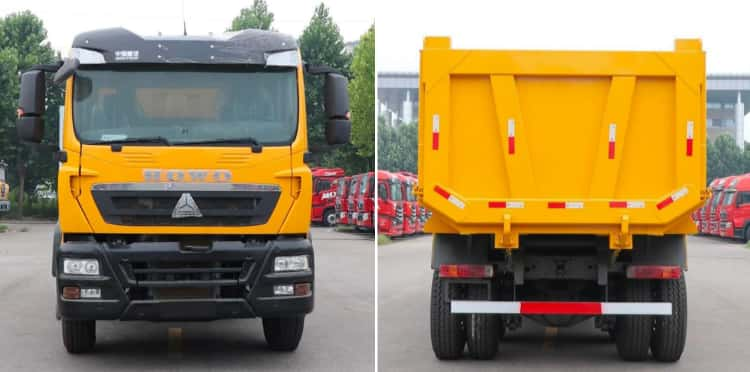
The digital twin is a high‑fidelity virtual replica built for this specific reman unit, not a generic truck model. It ingests the unique inspection data collected during the reman process: core dimensional measurements, NDT results, crankshaft regrind parameters, gear tooth wear profiles, injector calibration values, seal replacement logs, brake component specifications and emission aftertreatment status. All these individual component records feed into the twin, so the simulation matches the actual condition of this particular Howo or heavy‑duty chassis, rather than using ideal factory assumptions.
Unlike simulation for new truck R&D, reman digital twin modelling must account for controlled, documented deviations. For reman parts that have been machined back within OEM repair tolerances, the twin updates geometry, friction coefficients and fatigue loading limits accordingly. Parts that are fully replaced with new OEM‑equivalent components are loaded with factory baseline parameters. Any component that fails dimensional or NDT checks is excluded before the twin is finalised.
Key Performance Domains Simulated Before Physical Testing
Powertrain thermal and power response
The twin runs steady‑state and transient load cycles to map power output, torque delivery curve, fuel consumption, cylinder pressure, exhaust temperature and heat distribution across engine, turbocharger and cooling circuit.
Engineers identify risks such as power drop under sustained heavy load, abnormal thermal hotspots, delayed turbo response or excessive fuel consumption before dyno testing begins. If simulation predicts power below the 98% OEM threshold, the unit is routed back for re‑calibration of injectors or fuel pump before physical bench time.
Drivetrain vibration, gear meshing and load transfer
The model simulates torque transfer through clutch, gearbox, drive shafts and axles under gradient, start‑up and shock load conditions. It detects resonant vibration frequencies, gear backlash anomalies, potential gear tooth overload and differential locking behaviour.
This catches assembly errors or subtle gear profile issues that may not surface during a short static check but would create noise, accelerated wear or failure under heavy haulage.
Chassis, frame and suspension fatigue response
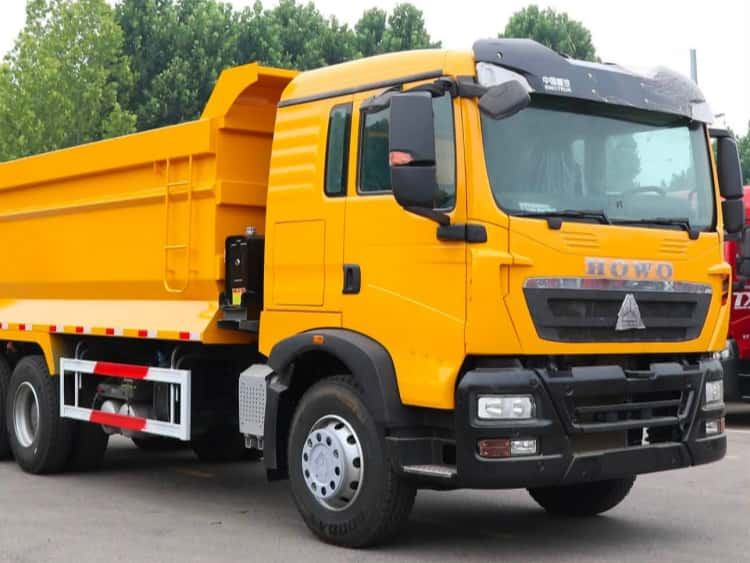
Using NDT and straightness measurement data of the frame rails, the twin applies representative heavy‑duty load cycles: full GVW loading, cornering, bump impacts and gradient torsion. It calculates stress distribution across welds and high‑stress transition zones.
The simulation verifies that reman machining and straightening work keep peak stress within allowable OEM fatigue limits. It also helps rule out hidden residual stress left from prior overload or minor collision damage that passed visual inspection.
Brake system response and stability
The digital twin models air pressure build‑up, brake response time, brake force balance between axles, ABS trigger logic and holding performance on gradients. It simulates repeated braking cycles to check pressure decay, heat build‑up and fade risk. This validates whether newly replaced brake linings, chambers and valves are balanced correctly, reducing the chance of brake pull or uneven wear during physical road testing.
Emission and aftertreatment behaviour
The twin simulates exhaust flow, temperature window and SCR/DPF operation over standard duty cycles. It predicts whether the aftertreatment system can maintain compliance under real operating patterns, identifies risks of insufficient heat for regeneration or excessive NOx slip, and confirms that emission calibration settings are intact and unmodified. This is critical for reman trucks that must retain valid regulatory compliance and avoid roadside fines for fleets.
How the Validation Workflow Integrates Into REMAN ROAD Reman Process?
After component inspection and reassembly, but before dyno testing, the engineering team uploads the component log into the twin platform and runs the defined duty cycle suite.
First, baseline simulation runs against the target OEM performance envelope. Any out‑of‑spec simulation result triggers a targeted re‑inspection of the related subsystem. For example, a torque anomaly may point to injector calibration, while frame stress overrun means rechecking frame straightness or NDT records.
Once the digital twin passes all simulation gates, the unit proceeds to dyno testing. Physical dyno results are fed back into the twin to calibrate and refine the model for this asset.
The twin is then updated with dyno data before road testing. After road testing, road measurement data is added once more. The finalised digital twin dataset becomes part of the vehicle’s traceability archive, delivered alongside NDT reports, parts manifests and dyno certificates to the fleet operator.
What Digital Twin Simulation Cannot Do?
Digital twin validation does not eliminate physical testing. It cannot perfectly replicate all real‑world variables such as sudden fuel contamination, poor maintenance after delivery or operator overload abuse. It also cannot detect random assembly errors that fall outside modelled parameters.
It functions as a predictive screening layer to reduce test failures, cut rework time and add an independent, data‑driven quality checkpoint that refurbishment and ordinary overhaul workflows never include.
Commercial and Audit Value for Fleet Operators
For fleet procurement and tender audits, the digital twin record proves that performance was engineered and verified before the truck ever hit the road. It separates certified reman truck from refurbished trucks that rely only on visual checks and a quick test drive.
The dataset also supports advanced TCO forecasting: the twin can run long‑term duty‑cycle simulations to predict maintenance intervals, fuel consumption and fatigue life for the fleet’s actual operating routes and loads. Over the asset’s reset service cycle, this supports predictive maintenance planning and reduces unexpected downtime risk.
Closing
Digital twin validation brings pre‑emptive engineering prediction into heavy‑vehicle remanufacturing. By building a parameterised virtual copy of each reman truck and simulating powertrain, drivetrain, chassis, brake and emission performance under heavy‑duty cycles, reman engineers catch latent risks early. Combined with NDT, dyno and road testing, it reinforces the OEM‑equivalent performance guarantee that defines REMAN ROAD certified reman, while adding a unique, auditable digital record unavailable for refurbished or overhauled heavy trucks.