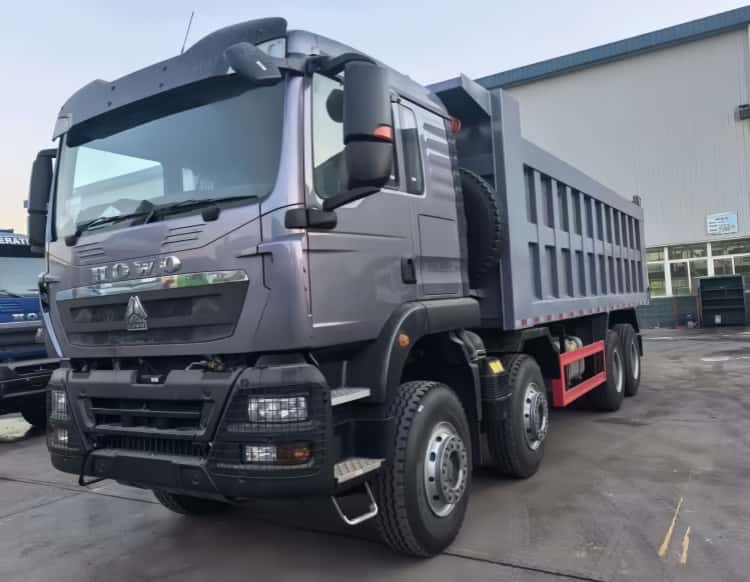
Why Global Markets Need Unified Definitions of Standardised Remanufacturing?
Introduction
Standardised remanufacturing is expanding rapidly across continents, yet one fundamental problem persists: there is no single agreed meaning for the word “reman”. In one region, it may refer to full whole-vehicle lifecycle reset; in another, it can describe overhaul, cosmetic refurbishment, simple part repair or used-component reassembly.
Buyers, suppliers, customs authorities, auditors and fleet operators all interpret the term differently. This confusion is not just semantic inconvenience. It blocks cross-border trade, distorts pricing, weakens safety oversight and undermines ESG credibility. Unified definitions set a common baseline for all market participants. This article explains why global heavy vehicle markets depend on this shared language, from a complete standardised remanufacturing perspective.
Eliminate cross-border trade friction and customs classification confusion
Reman heavy vehicles and reman cores move between countries, but inconsistent definitions create huge administrative and legal barriers.
- Some customs authorities classify reman heavy vehicles as used goods, while others treat them as newly restored industrial products. Different tariff schedules, import permits and inspection requirements apply to each category.
- Without a unified definition, exporters and importers cannot reliably prove whether a truck is standard reman heavy vehicles, overhaul or a second-hand rebuilt unit. Shipments risk detention, extra inspections, rejected clearance or unexpected duty charges.
- Harmonised definitions give customs and regulators clear criteria to judge a product’s status, supported by vehicle-level traceability and process records. Core principle: Trade rules cannot function well if there is no shared understanding of what the traded product actually is.
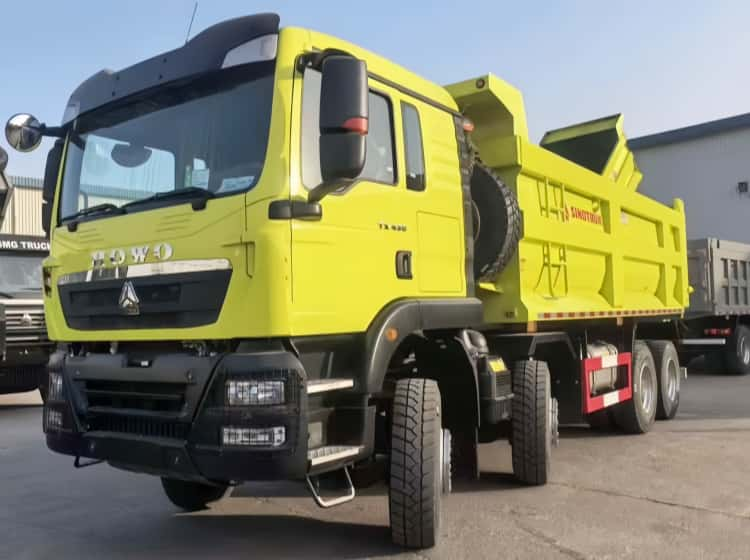
Prevent unfair competition and race-to-the-bottom quality
When definitions are loose, low-grade rebuilds can be marketed under the “remanufactured” label at lower prices.
- Informal workshops only fix obvious faults, skip frame and cab NDT inspection, reuse aged wear parts and carry out minimal testing. Their products carry far lower costs and undercut compliant standardized remanufacturers.
- Fleet buyers cannot easily distinguish genuine standardised remanufacturing from patched rebuilds before failures occur. Negative field experience then damages the reputation of the entire reman sector.
- A globally accepted definition sets clear non-negotiable gates: structural verification, full system disassembly, mandatory wear-part replacement, integrated vehicle testing and complete traceability.
This lets compliant reman operators compete on verified performance and TCO, instead of competing against unregulated low-quality alternatives.
Make certification and audit results mutually recognisable across regions
Third-party certification is only valuable when auditors everywhere follow the same rules.
- Today, a certificate issued in one country may be meaningless to a fleet or auditor in another country, because their local definition of standardised remanufacturing is different.
- Unified definitions create a shared audit checklist. A reman heavy vehicles assessed against REMAN ROAD-aligned criteria can have its records reviewed and accepted by international fleet procurement teams, tender evaluators and ESG verifiers.
- This removes the need for repeated, redundant re-audits every time a product crosses a border or enters a new tender pool. For global fleets operating assets across multiple countries, mutual recognition directly reduces supplier qualification workload and compliance cost.
Deliver consistent, comparable ESG and carbon accounting
A major driver of reman adoption is its sustainability value, but sustainability claims collapse without consistent definitions.
- If overhaul, refurbishment and full vehicles reman are lumped together, carbon and raw-material savings cannot be calculated uniformly. A partial repair does not deliver the same embodied carbon reduction as a full lifecycle reset of the complete truck.
- Investors, tender bodies and carbon reporting frameworks require auditable, like-for-like data. One fleet’s “reman carbon saving” cannot be benchmarked against another’s if they use different definitions.
- Unified definitions specify which workflows qualify for sustainability credit, what evidence is required, and where the boundary lies between simple reuse and standardised remanufacturing.
This stops greenwashing and lets standardised remanufacturing’s environmental benefits be reliably quantified, reported and recognised internationally.
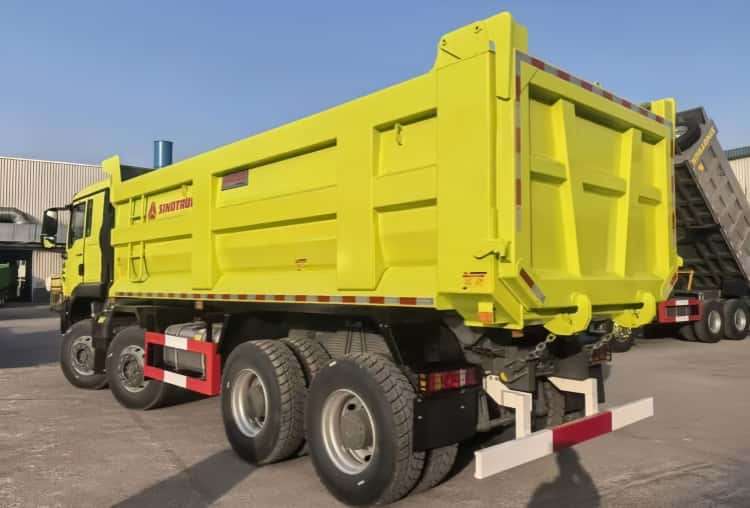
Protect fleet safety and align global technical risk standards
Heavy trucks operate in high-risk working environments: mining sites, construction zones and long-haul highways. Safety standards should not depend on regional terminology.
- A reman heavy vehicles that passes strict structural inspection and vehicle-level road testing has a different safety profile from a truck that has only received surface refurbishment.
- Fragmented definitions mean safety expectations vary widely. Buyers in high-regulation markets may assume “reman” includes frame NDT and full system renewal, while suppliers in other markets do not include these reman steps.
- Shared definitions embed minimum safety requirements into the definition itself. Any product calling itself standardised reman must satisfy those vehicle-level safety gates, regardless of where it is manufactured or deployed.
Support stable, scalable global circular supply chains for cores
A circular ecosystem relies on cores flowing between collectors, standardized remanufacturers and fleets in predictable ways.
- Core grading, pricing and take-back agreements depend on everyone agreeing what a reman-eligible core is. If buyers and sellers define standardised remanufacturing differently, they will disagree on core value, eligibility criteria and return terms.
- Unified definitions enable international core trading networks. Standardized remanufacturers can communicate grading rules, pass inspection records along the supply chain, and build long-term take-back contracts with cross-border fleets. Without this shared foundation, core pools stay local and fragmented, limiting the scale of the reman industry.
Lay groundwork for future industry regulation
As governments introduce formal circular economy laws, emissions rules and vehicle lifecycle policies, regulators need a stable reference definition.
- Regulators can reference globally aligned reman definitions when drafting incentives, subsidies, waste rules and vehicle retirement schemes.
- Without a baseline, new regulations risk creating conflicting local rules, further fragmenting the market. A common definition gives policymakers a neutral technical anchor to design consistent, pro-circular industrial policy.
REMAN ROAD’s role
REMAN ROAD builds this neutral, vehicle-level definition for standardised remanufacturing. It clearly separates standardised remanufacturing from overhaul, refurbishment, repair and second-hand vehicles, with fixed mandatory reman steps gates.
It gives global market participants a common reference point to align contracts, certificates, ESG reports and trade documentation. It does not override local regulation; it removes the language barrier that stops cross-border reman markets from maturing.
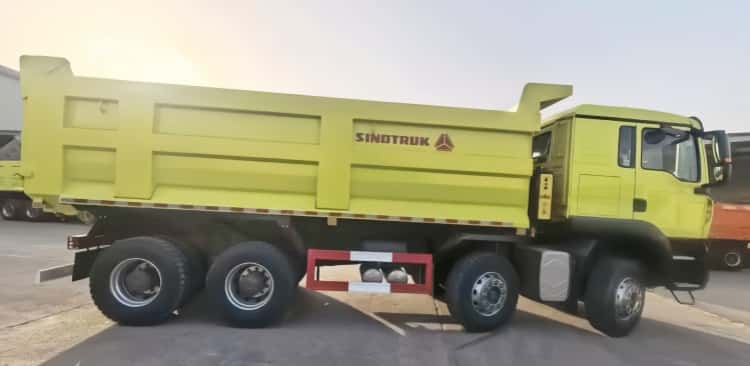
Closing Summary
Global markets need unified definitions of standardised remanufacturing because reman is no longer a local aftermarket activity. It is a cross-border circular asset business. Shared definitions resolve customs confusion, enable mutual certification recognition, prevent unfair low-quality competition, make ESG claims trustworthy, align safety expectations and allow core supply chains to scale internationally.
Without this common language, “reman” will keep meaning different things to different people — slowing trade, hurting buyer confidence and limiting the industry’s ability to fulfil its circular economy potential.