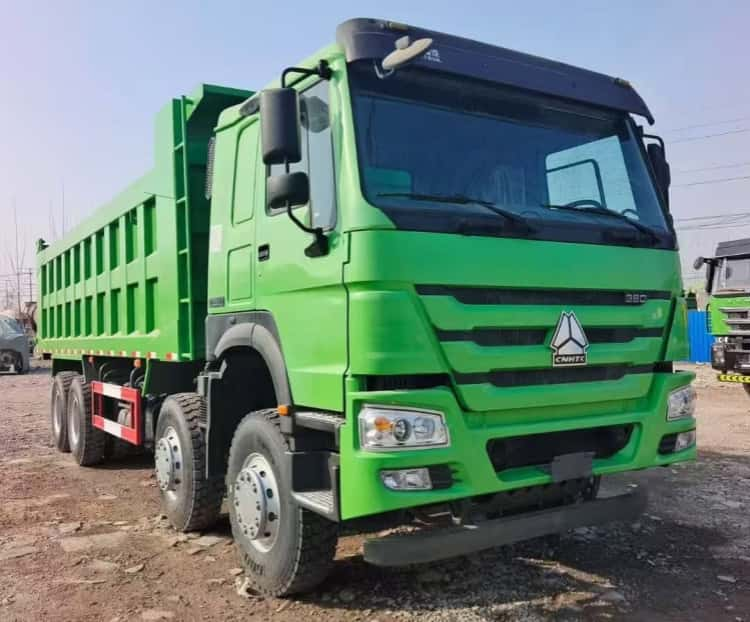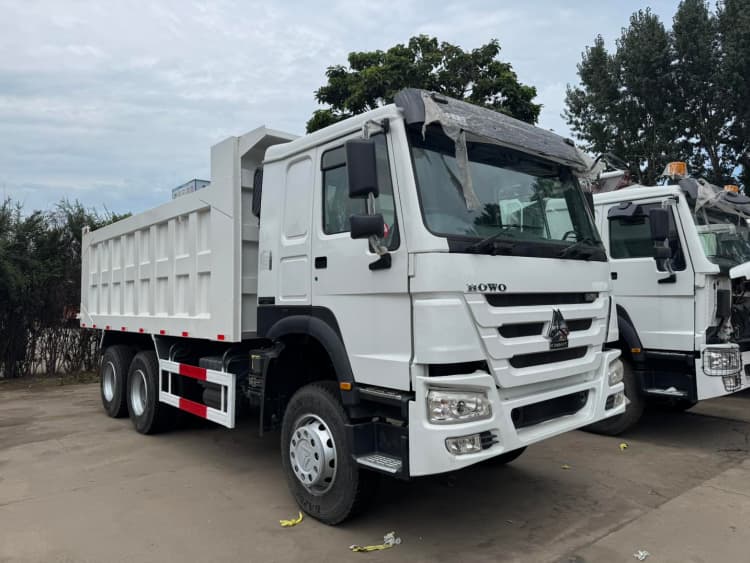
Standard Remanufacturing: Building a Closed-Loop Industrial Ecosystem
Introduction
A single reman workshop making rebuilt engines or trucks is only an isolated processing node. A true closed-loop industrial ecosystem cannot survive on individual factories alone. It relies on shared, agreed standards to connect core sourcing, reman production, fleet deployment, post-service management and core take-back into a repeating, self-sustaining cycle.
Without unified rules, participants operate with mismatched definitions, inconsistent quality thresholds and disconnected data. Cores cannot circulate smoothly, standard reman vehicle cannot be fairly valued, and the loop breaks easily. Standard remanufacturing, as promoted by REMAN ROAD, provides the common rulebook that holds this circular system together.
What Is a Closed-Loop Reman Ecosystem?
The closed loop means heavy vehicle assets and assemblies circulate repeatedly within the industrial system, instead of moving linearly from raw material → new product → scrap.
Its core logic: Retired eligible cores are recovered → screened and graded by unified standards → remanufactured with full lifecycle reset → delivered to fleets for a second service cycle → when this cycle ends, qualified cores are collected again for the next reman round.
Assets are not permanently discarded after one use. Material value and manufacturing value are preserved and regenerated repeatedly. Standard remanufacturing ensure every circulation round follows the same baseline of safety, performance and traceability.
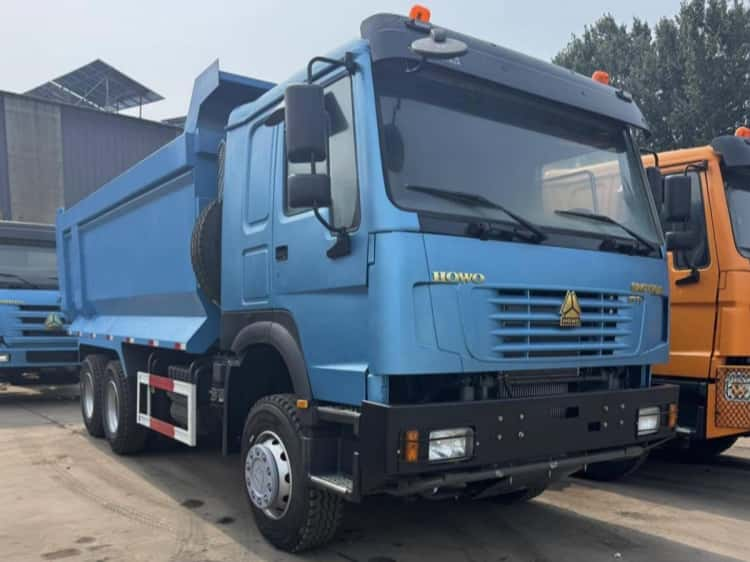
Key Nodes of the Closed-Loop Ecosystem & Standard Requirements
Core recovery and grading node
This is the starting point of the standard remanufacturing loop. The biggest pain point in many markets is mixed, ungraded core supply. Standard requirements:
- Clear classification rules to separate reman-eligible cores, overhaul-only units and scrap cores.
- Unified inspection criteria for structural integrity, damage history and fatigue risk.
- Unique identity assigned at collection, to carry lifecycle data forward.
When grading rules differ between buyers and remanufacturers, high-quality cores are scrapped by mistake, or risky damaged cores flow into remanufacturing workflow.
Standard remanufacturing processing node
The remanufacturers is the value regeneration centre. Standard requirements:
- Mandatory full disassembly, component testing and fixed wear-part replacement lists.
- Restoration limits defined against OEM tolerances.
- Multi-stage quality verification, including end-of-line bench testing.
- Complete record filing tied to each asset ID.
This remanufacturing workflow stage turns a qualified core into a life-reset reman product, rather than an informal rebuild. It defines what can re-enter the fleet pool.
Fleet operation and on-site service node
Fleets are the end users and also the next core suppliers. Standard remanufacturing requirements:
- Clear maintenance guidance for reman assets, matching their reset lifecycle.
- Fault and repair data recorded and attached to the asset traceability file.
- Formal core take-back agreements: when the reman unit finishes its second cycle, it returns into the system instead of leaking into unregulated second-hand channels.
Fleet participation is critical. Without structured take-back, the loop is broken at the consumption side.
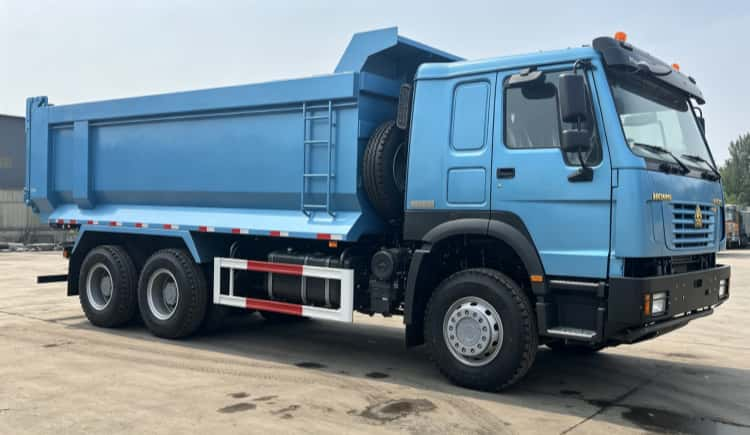
After-sales, warranty and feedback node
Warranty is not only a commercial commitment; it is also a quality feedback channel for the ecosystem. Standard remanufacturing requirements:
- Consistent whole-assembly warranty terms for certified reman goods.
- Root-cause analysis for field failures.
- Feedback updating core acceptance thresholds and test specifications.
This mechanism lets the whole ecosystem learn from real operating data, rather than letting each factory improve in isolation.
Scrap and material recycling exit node
A closed loop is not a “never-scrap” loop. Some cores will fail inspection at any stage. Standard requirements:
- Transparent diversion rule: cores failing reman screening go to metal recycling, with documented disposal records.
- Avoid illegal dumping or disguised waste trafficking.
This is the regulated exit of the system, ensuring the ecosystem stays environmentally compliant.
Why Shared Standards Are the Backbone of the Loop?
A closed loop can only scale when different organisations can trust each other’s outputs.
- Standards align terminology: all parties agree on what certified reman, overhaul, refurbished and scrap mean. No more “marketing renaming” to blur risk levels.
- Standards enable interoperable traceability: core data, test reports and warranty records can be recognised by factories, fleets and auditors across regions.
- Standards stabilise value pricing: buyers know what they are paying for, and suppliers can get reasonable returns for compliant reman work.
- Standards reduce friction for cross-border circulation: exporters, importers and inspectors share the same evaluation framework.
Without standard remanufacturing, the “loop” is just loose one-off trading of used cores and rebuilt parts.
Benefits of a Standardised Closed-Loop Ecosystem for Stakeholders
- For fleets: Stable supply of predictable, warrantied reman assets; controllable TCO; auditable ESG results from repeated core reuse.
- For remanufacturers: Stable graded core supply pool, clear product positioning, access to large fleet tender projects.
- For core collectors: Clear grading rules so they can classify and price cores correctly.
- For the industry: Less raw material consumption, lower embodied carbon, reduced waste, and reduced reliance on volatile new component supply chains.
- For regulators: Easier supervision, clearer distinction between formal circular business and unregulated waste trade.
Common Barriers That Break the Closed Loop
Many regions attempt circular reman programs but fail to scale, due to these bottlenecks:
- No unified grading standard, so core quality is inconsistent.
- Missing take-back mechanisms; cores flow into informal second-hand markets and disappear from the formal system.
- Competing private standards from different OEMs and independent workshops, which cannot recognise each other’s test reports.
- Poor traceability, so lifecycle history is lost after delivery.
- Price pressure from low-cost non-compliant rebuilds, which undercut standard remanufacturing and discourage investment in formal loops.
REMAN ROAD’s Role in Building This Industrial Ecosystem
REMAN ROAD does not own core pools or operate remanufacturers. It builds the shared standard remanufacturing infrastructure for all participants:
- Publish unified definitions and evaluation benchmarks for standard reman vehicle, separating them from overhaul and second-hand goods.
- Provide standard templates for core grading, process records, quality verification and traceability files.
- Offer a neutral third-party audit reference, so different players’ outputs can be mutually recognised.
- Help formal fleets, core suppliers and reman factories align contract clauses around consistent reman rules.
- Support cross-border circular trade by creating a common technical language, while respecting local regulatory laws.
It turns scattered individual participants into a connected ecosystem.
Closing Summary
A true standard remanufacturing closed-loop ecosystem is built on circulation, but sustained by standards. Core recovery, reman reset, fleet deployment, take-back and controlled recycling form the cycle; shared reman standards make the cycle repeatable, trustworthy and scalable.
Standard remanufacturing is more than a production method. It is the operating rule set for a new industrial model that preserves asset value, reduces resource pressure and delivers stable economic and environmental benefits. REMAN ROAD exists to unify industry participants and guide heavy vehicle reman toward mature, orderly closed-loop development.