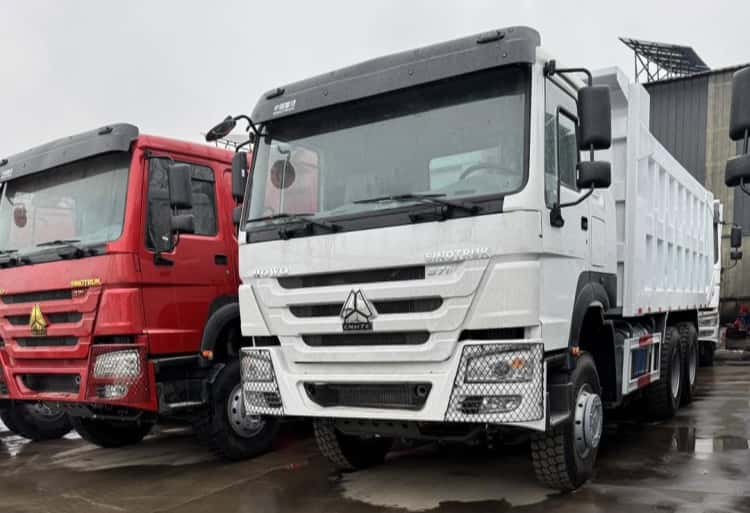
True Remanufacturing: The Core Standard for Heavy-Duty Vehicle Circular Economy
Introduction
The circular economy moves beyond the traditional linear “extract-make-use-scrap” model. For heavy-duty trucks, which consume massive volumes of virgin steel, cast metal and energy during manufacturing, circular strategies deliver outsized value. Among all circular approaches including reuse, repair, refurbishment and material recycling, true remanufacturing stands as the highest-value pathway.
Recycling melts old vehicles down into raw scrap, which loses most of the embedded industrial energy used to forge and cast core components. Simple repair and refurbishment only patch visible faults without resetting asset life. True remanufacturing preserves high-value core assets and restores vehicles to near-new performance.
However, the global heavy vehicle sector lacks consistent definitions, allowing low-grade repairs to claim circular economy credentials. This article explains the essential characteristics of true remanufacturing, its central role in heavy-duty circularity, and how standards such as REMAN ROAD anchor this system.
What Defines True Remanufacturing in Heavy-Duty Vehicle Circularity?
True remanufacturing is an industrial, standardized regeneration process for end-of-service heavy truck cores. It is not a workshop repair job. It follows fixed, auditable gates: core qualification screening, complete disassembly, component grading, structural inspection, precision restoration, proactive part replacement, system performance validation and full lifecycle documentation.
Its core circular principle: retain the embodied carbon and material value in load-bearing components, rather than scrapping or melting them. Frame, engine blocks, axle housings and other large cast and forged parts carry most of the vehicle’s original carbon footprint. True reman keeps these assets in active service for a brand-new service cycle, while replacing worn and fatigue-prone components.
Two non-negotiable benchmarks separate true remanufacturing from lower-tier circular practices:
- Performance must be restored to near-new OEM specifications, verified through bench testing and road validation.
- The asset’s service life is fully reset, delivering reliability comparable to a new heavy truck under heavy-load operation.
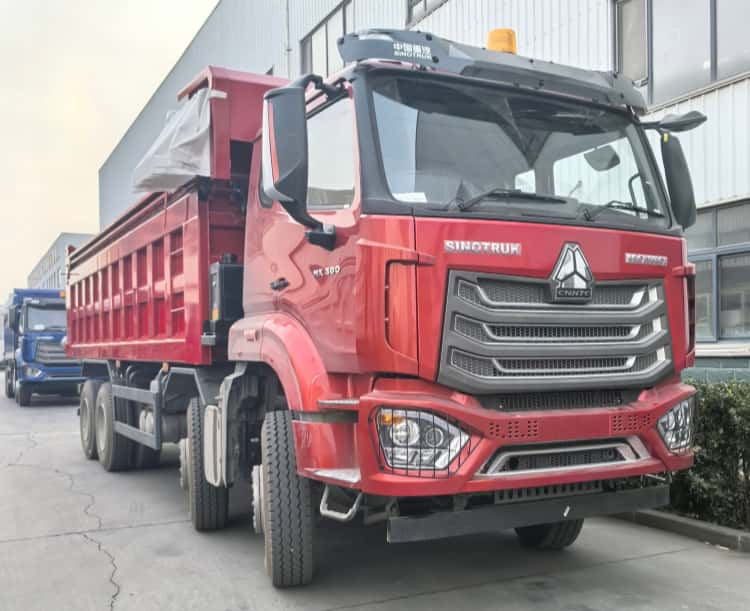
Hierarchy of Circular Options for Heavy-Duty Trucks
To understand reman’s unique value, it helps to rank circular strategies by retained asset value:
- True remanufacturing: Highest value. Preserves major structural cores, resets full service life, near-new performance.
- Component reuse: Harvesting individual good parts for spare stock, without rebuilding the whole vehicle.
- Refurbishment / partial overhaul: Limited repairs, fixes obvious defects, no life reset.
- Material recycling: Shredding and melting for scrap metal, lowest value, destroys embedded manufacturing energy.
Material recycling remains important, but it is the fallback option when cores are too damaged for remanufacturing. True remanufacturing sits at the top of the circular hierarchy because it preserves the greatest amount of prior industrial investment and embodied carbon.
Why True Reman Is Indispensable for Heavy Vehicle Circular Economy?
Preserves high-embodied-carbon assets
Producing heavy-duty structural components consumes enormous amounts of energy and virgin ore. When a qualified core enters true remanufacturing, the carbon already spent for casting and forging is retained. This delivers dramatic cuts in raw material demand and greenhouse gas emissions compared with building new trucks.
Creates a stable closed-loop asset flow
A mature circular economy relies on predictable reverse logistics. True remanufacturing creates clear criteria to judge which retired trucks are suitable cores. Eligible units flow into reman workflows; irreparable crash or fatigued units go directly to recycling. This structured sorting prevents unfit cores from entering the market and stabilises the upstream supply chain.
Delivers commercially viable circularity
Many circular economy concepts struggle with poor business returns. True remanufacturing offers fleet owners lower upfront capital expenditure than new trucks, while maintaining reliable long-term performance. This financial viability ensures the circular model can scale without permanent government subsidies.
Supports ESG and policy compliance with verifiable evidence
Global circular economy regulations, EPR and carbon disclosure rules increasingly demand tangible proof of asset reuse. True remanufacturing, when paired with standardised traceability, provides auditable evidence of material preservation and emission reduction. Without defined reman standards, businesses risk greenwashing accusations when claiming circular benefits.
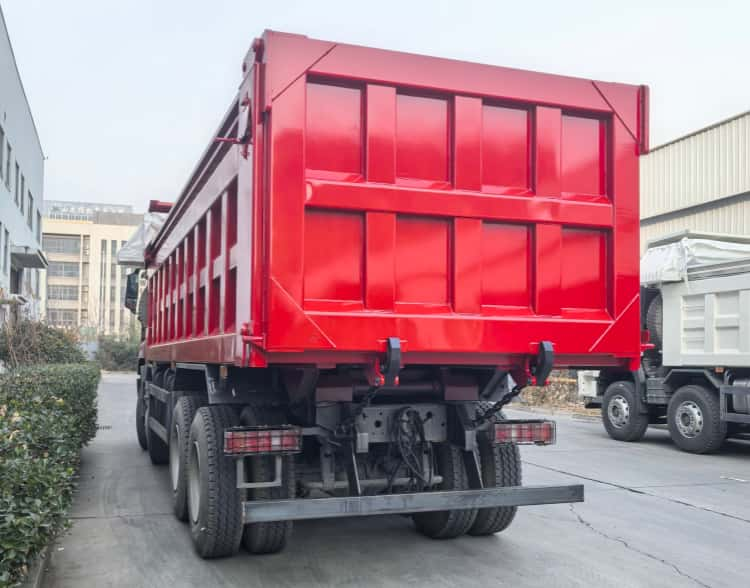
Standards: The Missing Piece to Turn Reman Vision Into Reality
Circular economy policy often mentions remanufacturing, yet most regulations only provide vague descriptions, lacking technical gates. This gap creates market distortion. Simple refurbishment can be marketed as remanufacturing, diluting the credibility of genuine circular assets.
That is where standard frameworks like REMAN ROAD become critical. The open reman standard defines every mandatory checkpoint of true remanufacturing:
- Core acceptance rules and disqualification criteria for damaged or fatigued assets
- Mandatory NDT inspection for load-bearing structures
- Full disassembly requirement and component grading rules
- Proactive replacement rules for fatigue-limited parts
- Quantified bench and road performance testing requirements
- VIN-bound traceability dossiers and third-party audit protocols
The reman standard does not create remanufacturing technology. It creates shared rules so manufacturers, fleet buyers, auditors and regulators all use the same definition of true remanufacturing.
Common Misconceptions About Reman and Circular Economy
❌ Myth: Any reused truck counts as circular remanufacturing. Fact: A repaired truck still carrying accumulated metal fatigue extends old asset life temporarily, but it does not represent true remanufacturing. It does not reset the service cycle or restore near-new performance.
❌ Myth: Recycling steel is better than remanufacturing. Fact: Melting metal destroys most of the energy invested in forging and casting. Recycling should be reserved for cores that cannot meet reman core qualification. True remanufacturing retains higher material and carbon value.
❌ Myth: Circular economy only focuses on environmental benefits. Fact: For heavy-duty fleets, true remanufacturing delivers circularity through both sustainability and economic performance. It reduces raw material consumption while controlling total cost of ownership. One cannot be sustained without the other.
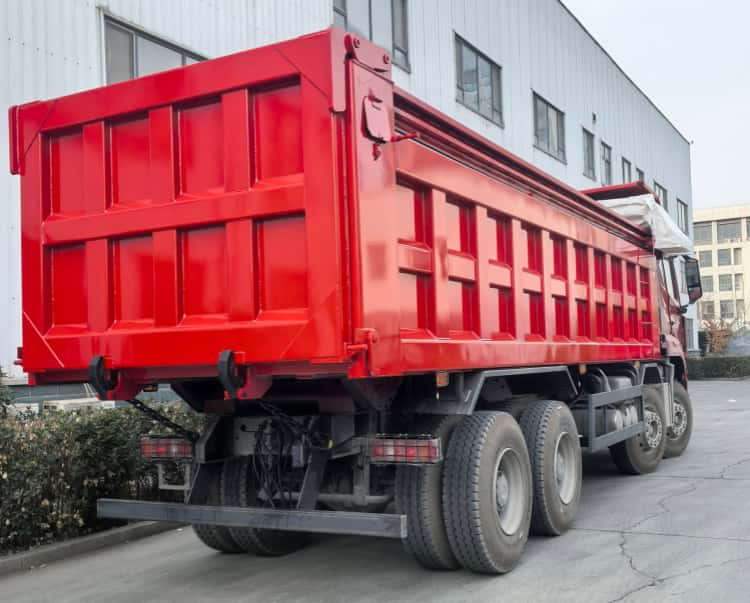
How Fleet Operators Benefit From True Remanufacturing?
For global fleet owners, adopting true remanufacturing under an open standard brings practical advantages:
- Lower CAPEX compared to purchasing new heavy trucks
- Predictable reliability and reset asset service cycle
- Complete traceability records to support ESG and carbon reporting
- Reduced reliance on virgin raw materials in their supply chain
- Clear baseline to compare certified reman assets across different suppliers and regions
When fleets specify the REMAN ROAD reman standard in RFQs, they filter out cosmetic repairs and only source vehicles that meet the definition of true remanufacturing. This procurement requirement drives market adoption of genuine circular practices.
Conclusion
The circular economy for heavy-duty vehicles cannot be built on vague promises or superficial repairs. True remanufacturing is its core standard. It preserves high-value, carbon-intensive structural cores, restores trucks to near-new performance, and resets the full asset service life.
While recycling and minor repairs have their roles, only standardized remanufacturing captures the highest material and energy value from retired heavy trucks. Frameworks such as REMAN ROAD translate circular economy theory into repeatable, auditable workflows, solving the industry-wide problem of inconsistent terminology and quality.
For manufacturers, fleet buyers and regulators, recognising and adopting standards for remanufacturing unlocks scalable, trustworthy circular economy growth for the global heavy-duty vehicle sector.