
What Is Genuine Remanufacturing, and How Is It Different From Simple Refurbishment?
Introduction
Many fleet buyers encounter confusing terminology when shopping for used heavy assets. Suppliers often use the words “remanufactured” and “refurbished” interchangeably, but these two terms describe completely different processes, performance outcomes, risk profiles and asset lifespans. Mixing them up can lead to overpaying for superficial repairs or purchasing vehicles with hidden structural weaknesses.
REMAN ROAD establishes clear, open definitions so global buyers can reliably distinguish genuine remanufacturing from simple refurbishment. This article explains what genuine remanufacturing entails, what refurbishment covers, and the critical differences fleet owners must understand before placing bulk orders.
Definition of Genuine Remanufacturing
Genuine remanufacturing is an industrial, full-disassembly process that restores a qualified retired heavy truck core to near-new OEM performance specifications, with a reset asset service cycle.
Before work begins, the core undergoes strict incoming qualification and mandatory non-destructive testing (NDT). Units with irreparable frame cracks, severe metal fatigue or crash damage are rejected entirely.
The full standardized remanufacturing workflow includes:
- Complete teardown of the entire vehicle down to individual components
- Full cleaning, inspection, grading and classification of every part into reusable, repairable or scrap
- Precision machining of reusable cast and forged components to restore original dimensional tolerances
- Proactive replacement of all fatigue-prone parts, even if they still appear functional
- Reassembly following standardised SOPs
- Bench testing of engine, axles and hydraulic/brake systems
- Full-load road validation
- VIN-bound traceability documentation and third-party compliance audit
The end result is a vehicle whose performance, reliability and service life match the benchmarks of a new truck. Every step is recorded in a traceable dossier for audit and verification.

Definition of Simple Refurbishment
Refurbishment is a limited repair and cosmetic refresh process. It aims to return a used truck to operational condition, not reset its full service life.
Refurbishment rarely requires full disassembly. Technicians typically only address obvious faults and visible wear. Common refurbishment work includes cleaning, repainting, replacing leaking gaskets, worn tyres or broken lights, fixing obvious engine faults and repairing damaged body panels.
Critical limitations of refurbishment:
- No mandatory NDT structural inspection for hidden cracks or metal fatigue
- Components are only replaced when they fail or show obvious damage; proactive replacement of fatigue parts is not required
- No mandatory bench testing for powertrain performance
- No requirement to restore tolerances to OEM near-new standards
- Records are limited to repair invoices and photos, without end-to-end process traceability
A refurbished truck can run, but it retains the original accumulated fatigue and wear in frame, crankshaft, axle housing and other key components. Its remaining service life is not reset.
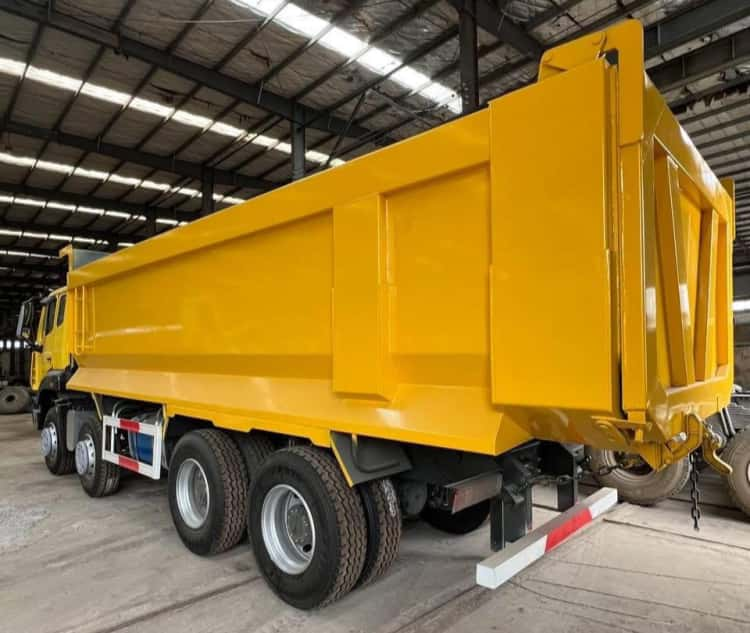
Core Differences Between Genuine Remanufacturing and Refurbishment
Disassembly Scope
- Genuine remanufacturing: Full vehicle disassembly into individual components. Every single part is inspected.
- Refurbishment: Partial disassembly only. Major assemblies remain intact unless broken. Hidden internal wear stays unexamined.
Core & Structural Inspection
- Genuine remanufacturing: Mandatory NDT and dimensional checks on frame, engine block and load-bearing components. Unqualified cores are rejected before production.
- Refurbishment: Visual inspection only. Hidden structural fatigue and microcracks are not detected.
Component Replacement Logic
- Genuine remanufacturing: Replace fatigue-critical components proactively based on service cycle and material limits, even if they still work.
- Refurbishment: Replace parts only when they leak, break or show obvious visible defects.
Performance Standard
- Genuine remanufacturing: Restore to near-new OEM performance and tolerance benchmarks, validated by bench and road testing.
- Refurbishment: Only fixes faults to make the truck operable. Performance remains at the original used asset’s residual level.
Asset Service Life
- Genuine remanufacturing: Full asset life reset. The truck gains a complete new service cycle.
- Refurbishment: Original asset life continues. It is an extension of the existing remaining lifespan, not a reset.
Documentation & Verification
- Genuine remanufacturing: Complete VIN-linked traceability dossier, auditable by independent third parties.
- Refurbishment: Basic repair records and photos, usually self-reported by the workshop, no independent verification.
Risk Profile for Fleets
- Genuine remanufacturing: Low risk of sudden structural or powertrain failure under heavy-duty operation. Predictable TCO.
- Refurbishment: Higher risk of unexpected breakdowns under continuous heavy load, especially on rough, hot and dusty roads. Hidden defects may surface after delivery.

Common Market Misconceptions
- ❌ Myth: If a truck looks new after repainting, it is remanufactured. Fact: Paint and cosmetic work are only surface treatment. Appearance tells nothing about internal structural integrity or component fatigue. Refurbished trucks can look visually impressive while carrying hidden risks.
- ❌ Myth: Remanufacturing and refurbishment use the same repair steps, just different names for marketing. Fact: The two workflows have fundamentally different objectives. Refurbishment fixes what is broken; genuine remanufacturing rebuilds the asset systematically to near-new performance.
- ❌ Myth: A refurbished truck can offer the same residual value as a certified remanufactured truck. Fact: Without full process records and proof of life reset, refurbished assets retain the depreciation curve of used trucks. Certified remanufactured truck hold better residual value.
Why This Distinction Matters for Fleet Procurement?
For fleet operators buying heavy trucks in bulk, confusing these two categories creates serious financial consequences. A low-priced “remanufactured” truck that is actually only refurbished will suffer unplanned downtime, costly emergency repairs and shorter service life. The upfront savings quickly vanish.
The REMAN ROAD standard gives buyers a simple rule of thumb: if a supplier cannot provide evidence of full disassembly, NDT structural inspection, proactive fatigue part replacement, quantified performance testing and third-party verified traceability dossier, the vehicle is not genuine remanufacturing. It is refurbishment.
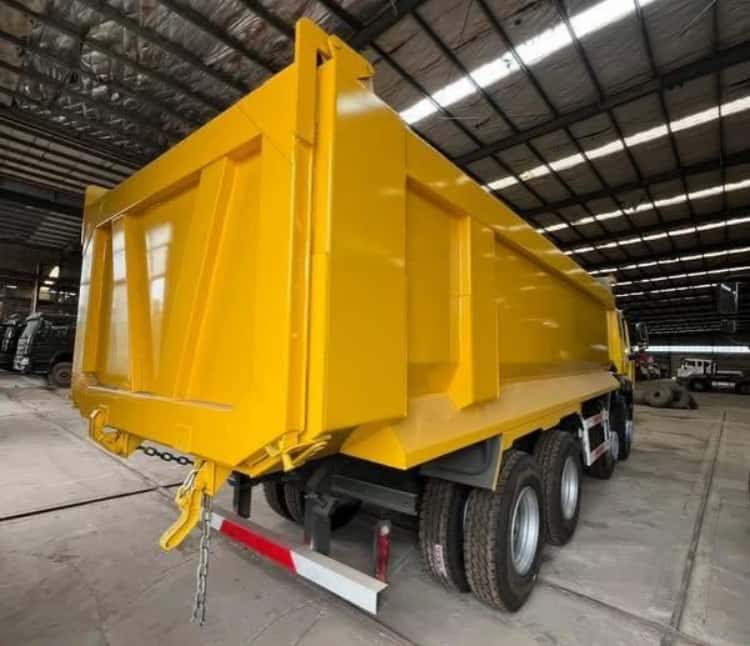
Conclusion
Simple refurbishment repairs visible defects and refreshes the appearance of a used truck to keep it running temporarily. Genuine remanufacturing, by contrast, is a rigorous standardized remanufacturing workflow. It screens cores, fully disassembles, inspects and rebuilds every critical component, verifies near-new performance, and resets the asset’s full service cycle, with auditable traceability records.
This definition gap is one of the biggest sources of risk in the global heavy truck market. By referencing the REMAN ROAD open standard, fleet buyers can avoid misleading marketing labels and clearly separate certified remanufactured truck from superficially refurbished units.


One Comment