Formal Reman vs Repair: Key Differences Every Fleet Operator Must Know
Introduction
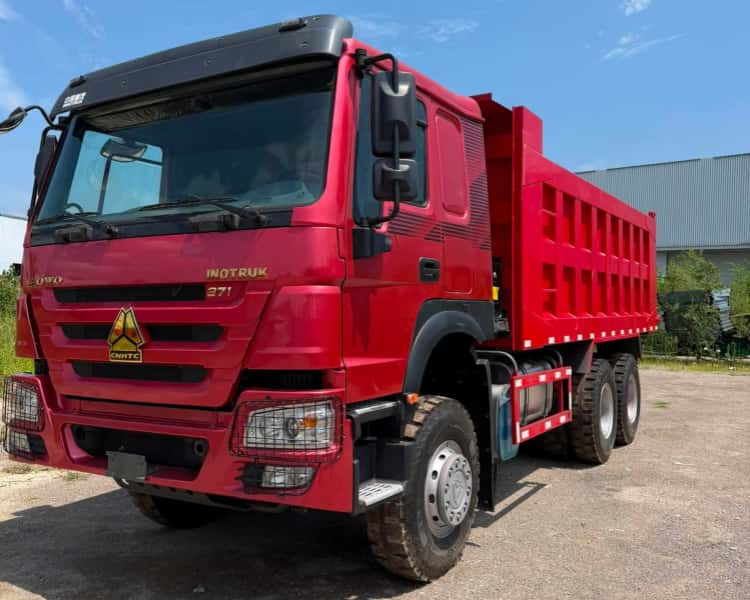
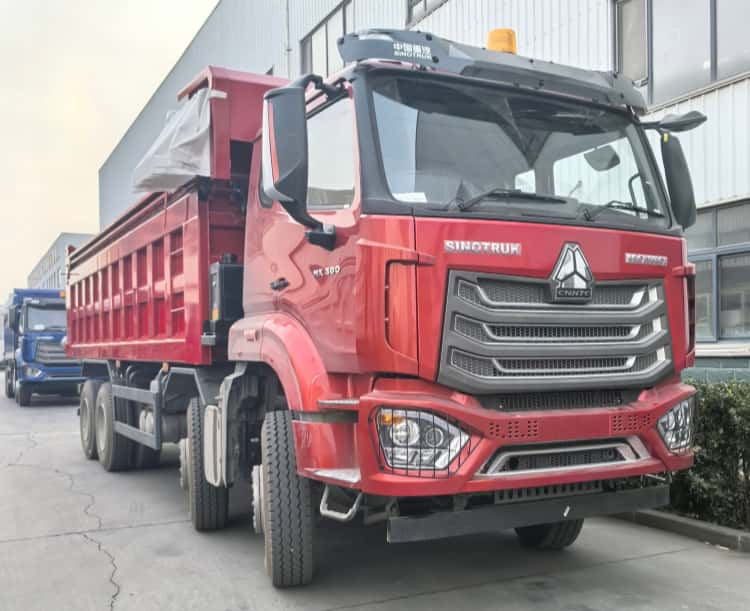
Fleet operators regularly face vehicle downtime and asset replacement decisions. When a heavy truck suffers wear or breakdown, two solutions are available: basic repair, or formal remanufacturing. These two options are frequently confused, but they operate on fundamentally different objectives, technical workflows, quality benchmarks and long-term risk profiles.
A repair fixes a specific fault to get a truck back on the road. Formal remanufacturing is a full industrial regeneration process that restores an eligible core asset to near-new performance and resets its entire service cycle. Mixing these two concepts during bulk purchasing can lead to underestimated maintenance expenses, unexpected breakdowns and inaccurate TCO forecasting. This article breaks down their core differences for fleet decision-makers.
Definition of Formal Remanufacturing
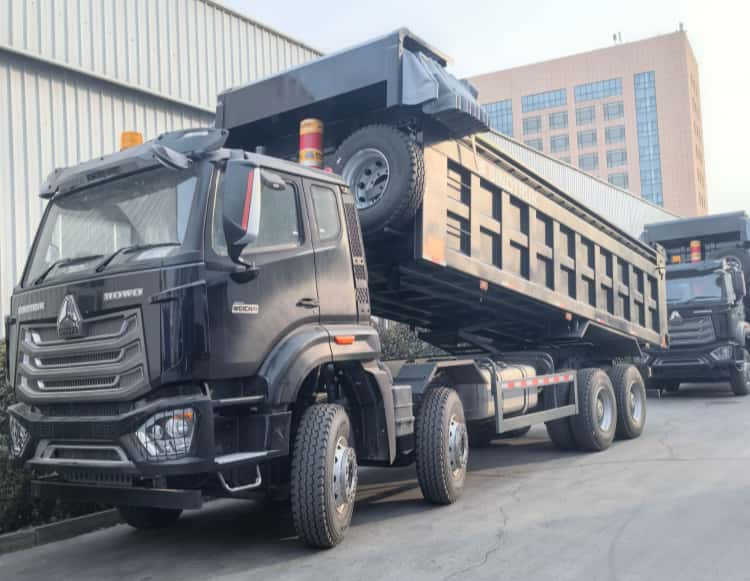
Formal remanufacturing follows standardised, auditable industrial procedures (such as the REMAN ROAD framework) applied to a retired heavy-duty truck core.
Before any work begins, the core undergoes strict incoming qualification screening and mandatory non-destructive testing. Cores with irreparable cracks, severe corrosion, crash damage or excessive metal fatigue are rejected and not processed.
The formal reman workflow includes:
- Complete full teardown of the vehicle down to individual discrete components
- Full cleaning, inspection and grading of every part into reusable, repairable or scrap categories
- Precision machining to recover original OEM dimensional tolerances for reusable cast and forged components
- Proactive replacement of all fatigue-critical parts, even if no visible failure exists
- Reassembly following standard operating procedures
- Independent bench testing of powertrain, brake and hydraulic systems
- Full-load road validation
- VIN-linked traceability dossier creation and third-party compliance verification
The end result is a vehicle restored to near-new OEM performance, with a fully reset asset lifecycle.
Definition of Basic Repair
Repair is a targeted corrective action, designed to resolve a known fault or broken component. Its sole purpose is returning the vehicle to operational condition quickly and at minimal immediate cost.
Repair is reactive. Technicians only disassemble the area directly related to the fault. There is no requirement to inspect unrelated assemblies, check for hidden metal fatigue, or replace parts that are still functioning.
Typical repair activities:
- Replacing a failed water pump, broken hose or blown gasket
- Fixing a cracked exhaust or damaged lighting system
- Patching leaks or replacing worn tyres
- Troubleshooting engine fault codes and replacing failed sensors
No structural NDT inspection is required. No full system bench testing is mandatory. The truck retains all accumulated wear and fatigue in untouched major assemblies. Its original asset service life continues, with no reset.
Side-by-Side Core Differences
Primary Objective
- Formal Reman: Reset the whole asset lifecycle and restore the entire truck to near-new OEM performance.
- Repair: Fix one specific fault to make the truck operable again.
Disassembly Scope
- Formal Remanufacturing: Full vehicle disassembly; every component is inspected.
- Repair: Partial, targeted disassembly limited only to the broken part or faulty assembly.
Core Structural Inspection
- Formal Reman: Mandatory NDT and dimensional inspection of frame, engine block, axles and load-bearing components. Unqualified cores are rejected upfront.
- Repair: Visual inspection only for the failed part. Hidden microcracks and metal fatigue in major components remain undetected.
Part Replacement Strategy
- Formal Reman: Proactive replacement of fatigue-limited components according to technical standards, before failure occurs.
- Repair: Replace components only after they break, leak or demonstrate obvious malfunction.
Performance Validation
- Formal Reman: Bench testing and full-load road testing to verify near-new OEM performance metrics.
- Repair: Basic functional check after repair; no formal quantified performance benchmarking.
Asset Lifecycle Outcome
- Formal Remanufacturing: Full service cycle reset, delivering the reliability profile of a new truck.
- Repair: Original asset lifecycle continues. The truck’s accumulated wear remains unchanged.
Documentation & Auditability
- Formal Remanufacturing: Complete VIN-bound traceability dossier, available for third-party audit.
- Repair: Simple repair invoice and limited photos; records cover only the single fixed fault.
Long-Term Fleet Risk
Formal Reman: Low risk of sudden catastrophic failure; predictable maintenance schedules and stable TCO. Repair: Higher risk of sequential component failures. Hidden wear can trigger expensive breakdowns under heavy-duty, dusty or high-temperature operating conditions.
When to Choose Repair vs Formal Remanufacturing?
Choose repair when:
- The truck is relatively young with low accumulated wear, and only one isolated component fails
- The fleet needs a fast, low-cost temporary fix to keep an existing asset running for a short remaining service period
- The asset will be retired or sold in the near future
Choose formal remanufacturing when:
- The fleet intends to keep the heavy truck in full-time heavy-load operation for many more years
- The existing core has reached its original end-of-service life but passes structural qualification screening
- Procurement requires predictable reliability, warranty coverage and auditable ESG or carbon saving documentation
- The fleet is purchasing bulk reman assets for long-term fleet expansion
Common Fleet Misconceptions
❌ Myth: If a truck runs after repair, it is remanufactured. Fact: Running functionality is not equivalent to remanufacturing. Repair addresses one fault; remanufacturing rebuilds the whole asset.
❌ Myth: Reman is just an expensive version of repair. Fact: Repair optimises for low upfront cost. Formal remanufacturing optimises for long-term reliability and lifecycle reset. Higher upfront investment reduces unplanned downtime and emergency repair costs over years of operation.
❌ Myth: A truck that has received multiple separate repairs equals a remanufactured truck. Fact: A series of individual repairs does not include full disassembly, NDT structural screening, proactive fatigue part replacement or full performance validation. Hidden wear still remains in untouched assemblies.
Practical Procurement Rule for Fleet Buyers
When evaluating assets marketed as remanufactured, fleet operators should ask one critical question: Can the supplier provide full traceable proof of complete vehicle disassembly, NDT structural inspection, proactive fatigue component replacement and quantified performance testing verified by an independent auditor?
If the answer is no, the vehicle has only undergone repair work, not formal remanufacturing. This simple check helps fleets filter misleading marketing claims during RFQ and supplier evaluation.
Conclusion
Basic repair solves immediate breakdowns and suits short-term fixes for existing fleet trucks. Formal remanufacturing is an industrial standardised process for eligible retired cores, delivering near-new performance and resetting the full service life of the heavy truck.
Understanding the boundary between formal remanufacturing and repair helps fleet owners make better asset decisions, control total cost of ownership and avoid unexpected operational risks. Using frameworks such as REMAN ROAD gives fleet buyers a clear, consistent benchmark to distinguish certified formal remanufacturing from simple component repair.