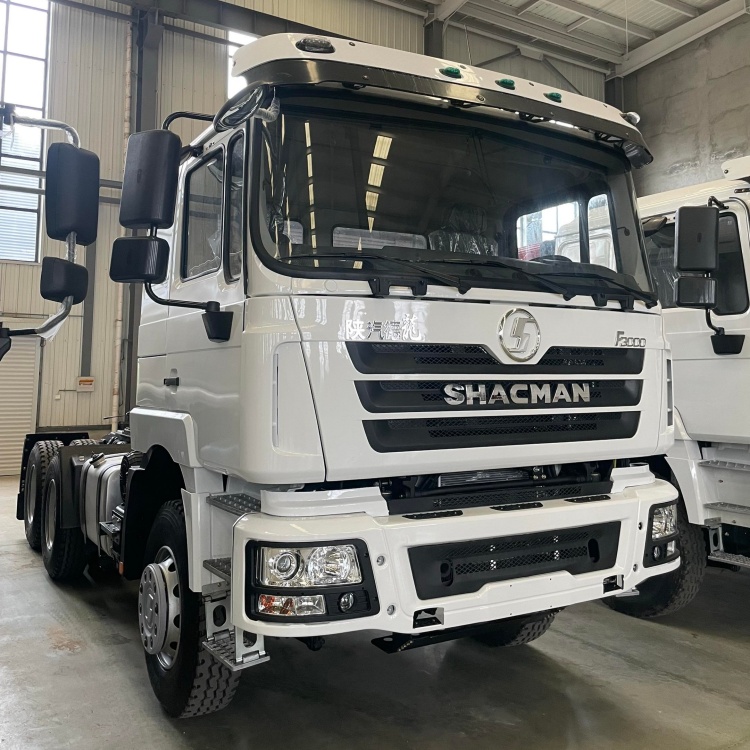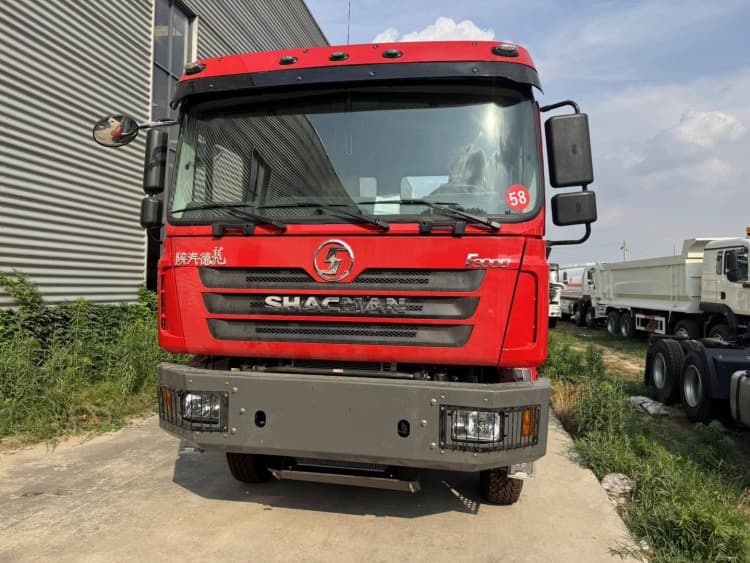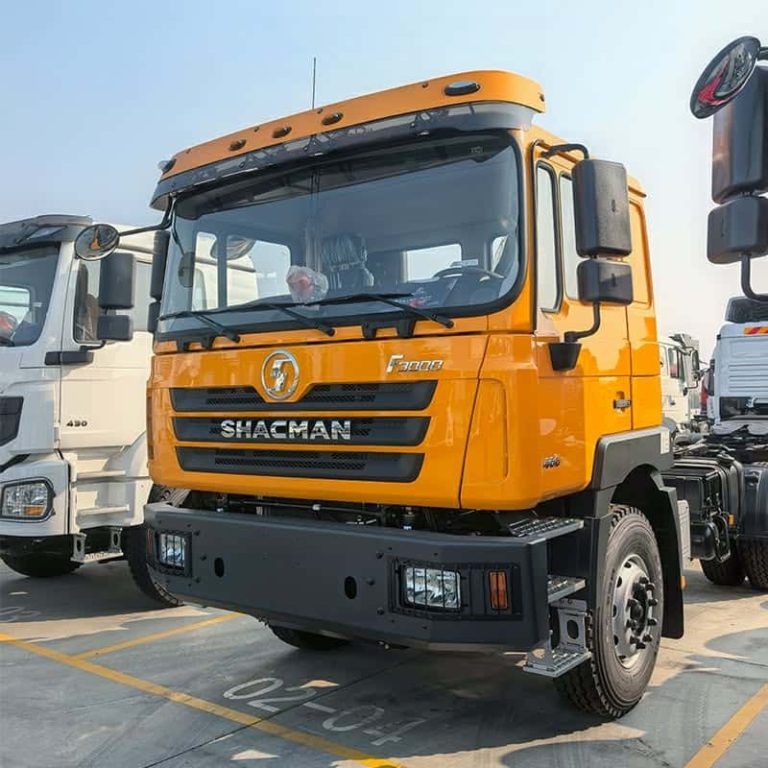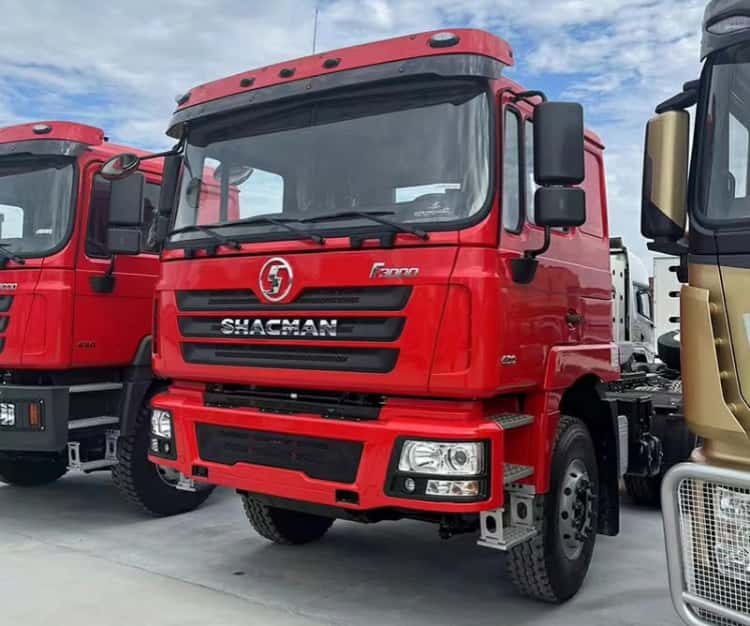
RFQ Design for Remanufactured Trucks: Embedding Technical Gates & Liability Clauses
Intro
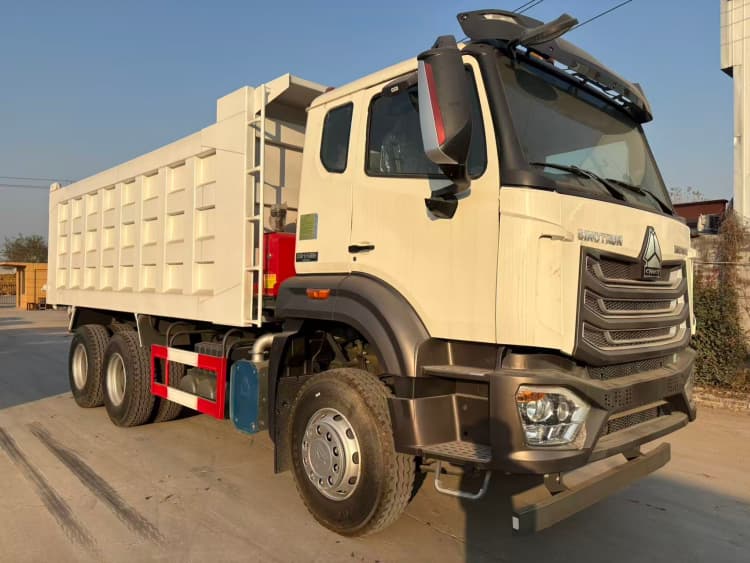
Many remanufactured trucks RFQs focus only on price, delivery date and basic warranty length, leaving critical quality and risk boundaries undefined. Without structured technical gates, remanufacturers can interpret “remanufactured trucks” loosely, submitting ad-hoc overhauled units that fail site safety requirements. Embedding auditable technical gates and balanced liability clauses turns an RFQ into a procurement control tool, enforcing REMAN ROAD benchmark standards before any order is placed.
Build sequential technical gates as mandatory pass/fail filters
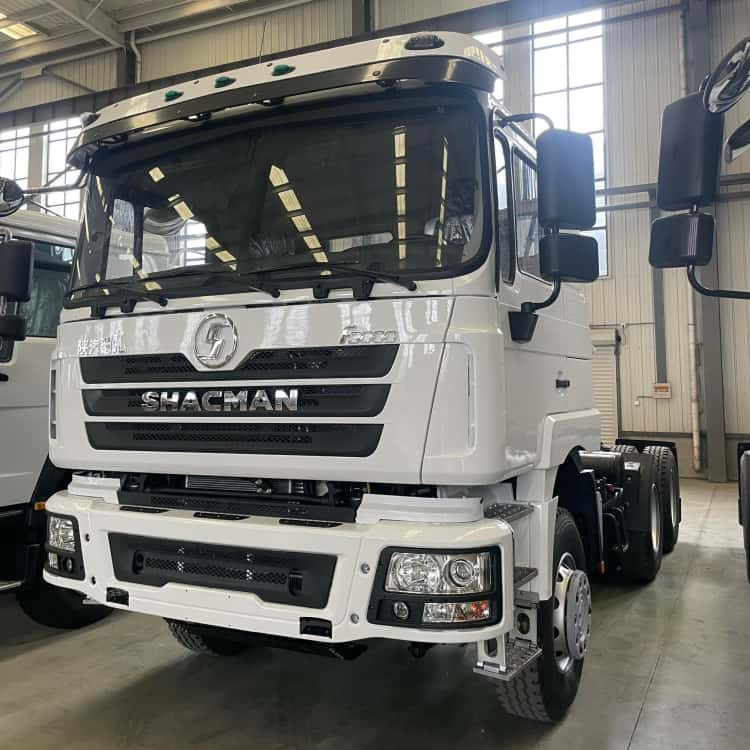
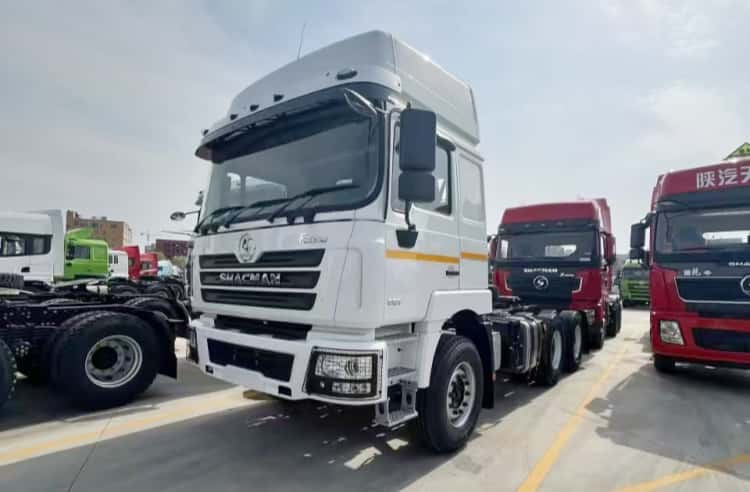
Technical gates are non-negotiable checkpoints that bidders must satisfy to qualify. The first gate is core qualification: mandatory NDT frame inspection, dimensional tolerance validation and fatigue assessment records linked to the chassis serial number. Subsequent gates cover rebuild scope, component renewal lists, dyno testing, brake balance validation and rated load cycling. The remanufactured trucks RFQ must require all test logs, QC sign-offs and part traceability documents to be submitted with the quotation. Bids that miss any required evidence are automatically disqualified, eliminating remanufacturers that cut corners on inspection and testing.
Tie gate acceptance to pre‑delivery inspection and acceptance
The remanufactured trucks RFQ should state that passing all technical gates does not waive final site acceptance. Pre-handover inspection will cross-check the truck against the submitted dossier. If the unit fails to match quoted rebuild specs, the clause defines remedies: rework at supplier cost, replacement, price adjustment or rejection. This prevents suppliers from overstating rebuild scope in the bid and delivering lower-quality equipment.
Draft liability clauses that separate rebuild defects from operational wear
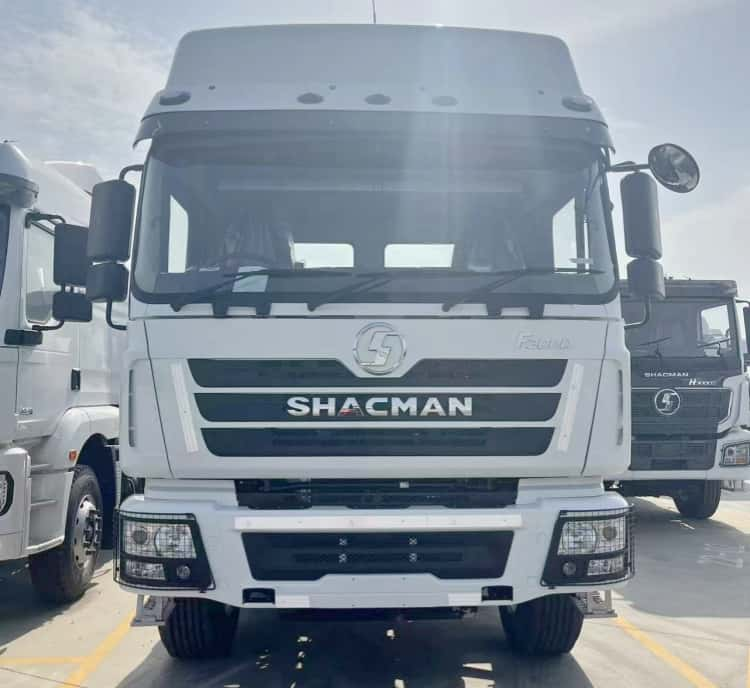
The most critical liability distinction is between supplier-side workmanship defects and fleet-side wear, overload or site damage. The remanufactured trucks RFQ must clearly assign responsibility for failures originating from incomplete inspection, out-of-tolerance assembly or substandard replacement parts to the remanufacturers. It should specify covered costs including parts, labour, freight and defined downtime support. At the same time, it explicitly excludes consumables, operator abuse and routine wear, so the scope of liability is unambiguous for both parties.
Address consequential loss and claim response rules
High-duty haulage projects carry exposure to liquidated damages from missed milestones. The remanufactured trucks RFQ needs transparent language covering whether the supplier accepts limited consequential liability for covered rebuild failures. Include mandatory claim response windows, exchange assembly lead times and escalation paths. Vague liability wording often leads to standoffs when a breakdown halts production; pre-defined terms speed resolution and reduce legal dispute risk.
Add warranty transfer and residual value indemnity clauses
For fleets that rotate assets, embed transferable warranty requirements in the remanufactured trucks RFQ. The remanufacturers must honour remaining warranty for subsequent buyers as defined. Add clauses that penalise misrepresentation of rebuild history. If remanufacturers falsifies test records, the fleet can pursue compensation for lost residual value, inspection fees and site access penalties. This protects the long-term TCO model that relies on auditable traceability.
Final takeaway
Effective reman RFQs use technical gates to filter quality before award and liability clauses to allocate risk fairly. These provisions stop ambiguous rebuild definitions, reduce post-delivery disputes and ensure suppliers are accountable for the validated benchmark standard promised in their bid.