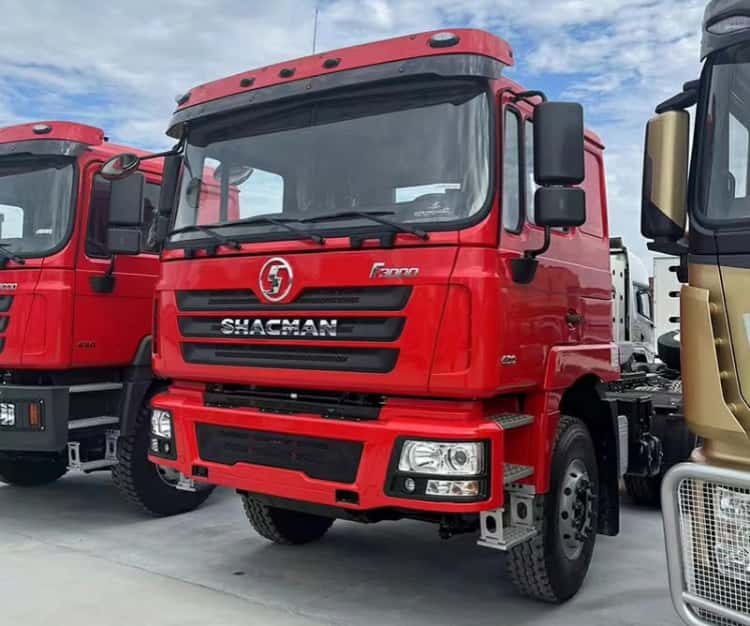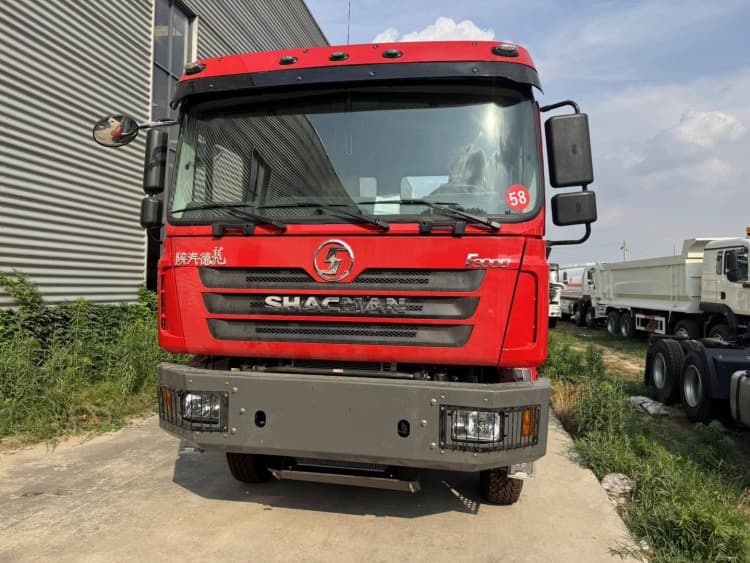
Hybrid Fleet Strategy: Blending Heavy Reman Trucks & for New Trucks Risk Hedging
Introduction
Many fleet operators face a tough trade-off when building long-term asset plans. New trucks deliver factory-fresh performance and long service life but demand large upfront capital and suffer from extended lead times. Pure heavy reman trucks fleets cut entry costs and speed deployment, yet some high-value, multi-decade projects require a portion of assets with maximum original design longevity.
A hybrid fleet strategy intentionally blends verified heavy reman trucks and new heavy trucks as a risk-hedging model. It combines the unique strengths of each asset type, diluting the weaknesses of either single-asset approach while supporting flexible budgeting, staggered renewal and reliable operational capacity.
New Trucks Anchor Long-Horizon, High-Duty Core Operations
Within the hybrid mix, new heavy trucks serve as the stable backbone for permanent, high-throughput core work. These assets carry full OEM warranty, the latest safety and telematics features, and the longest usable service window, making them suited for continuous pit hauling, fixed long-distance routes and critical workflows where maximum design life is required.
They reduce the frequency of major rebuild cycles for the fleet’s core production capacity and support long-term asset depreciation planning. However, their high cost and slow delivery mean the fleet cannot cover all capacity needs with new units alone.
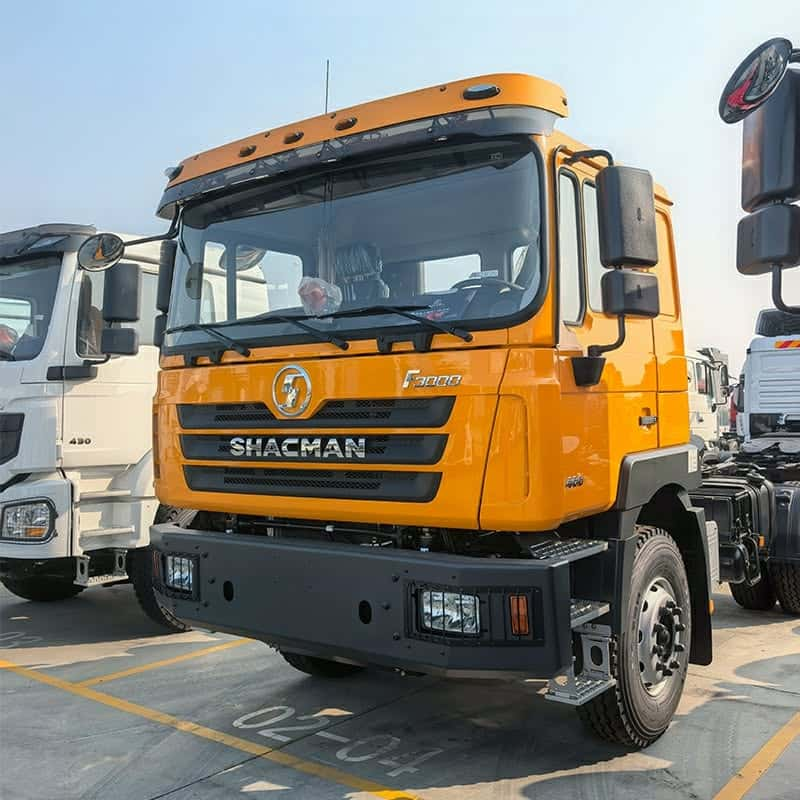
Heavy Reman Trucks Add Agility, Buffer Capacity And Control Capital Exposure
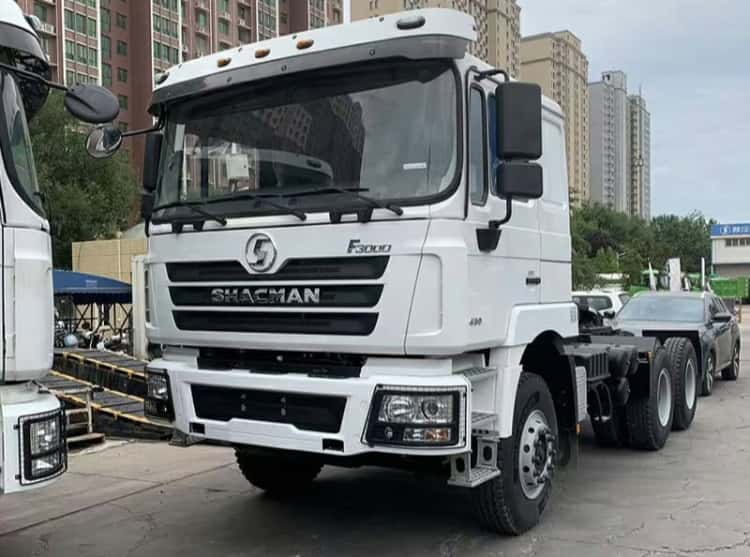
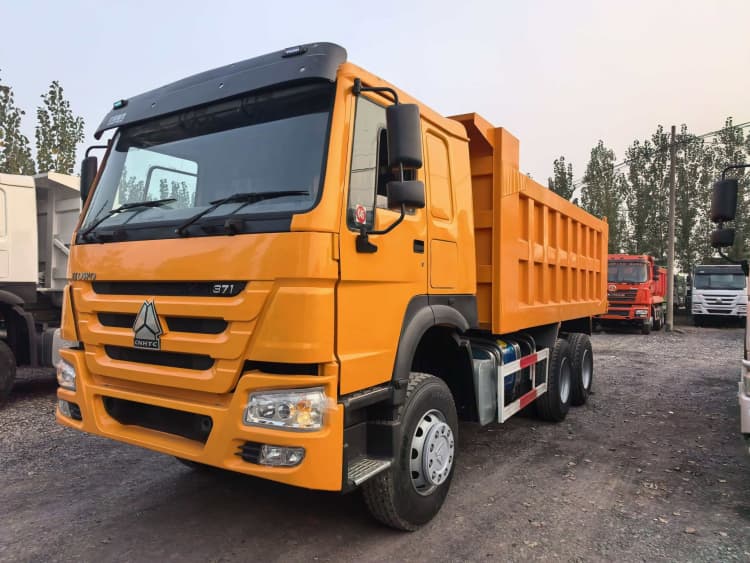
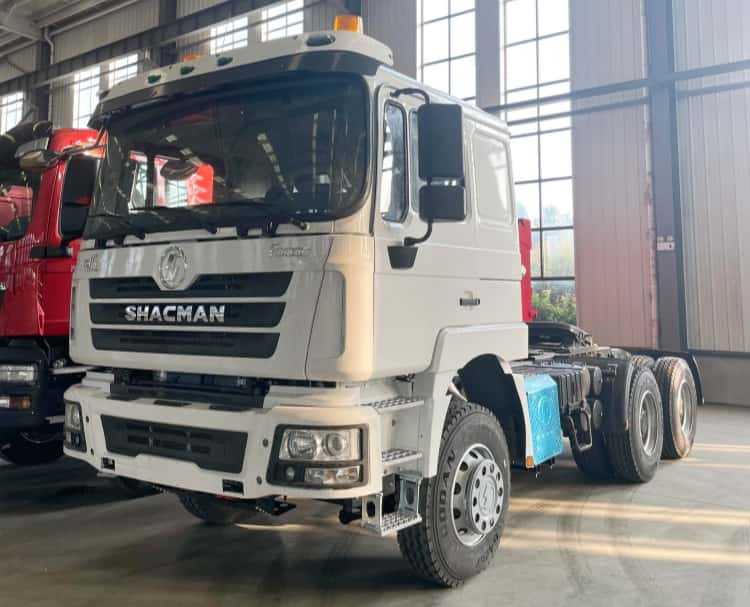
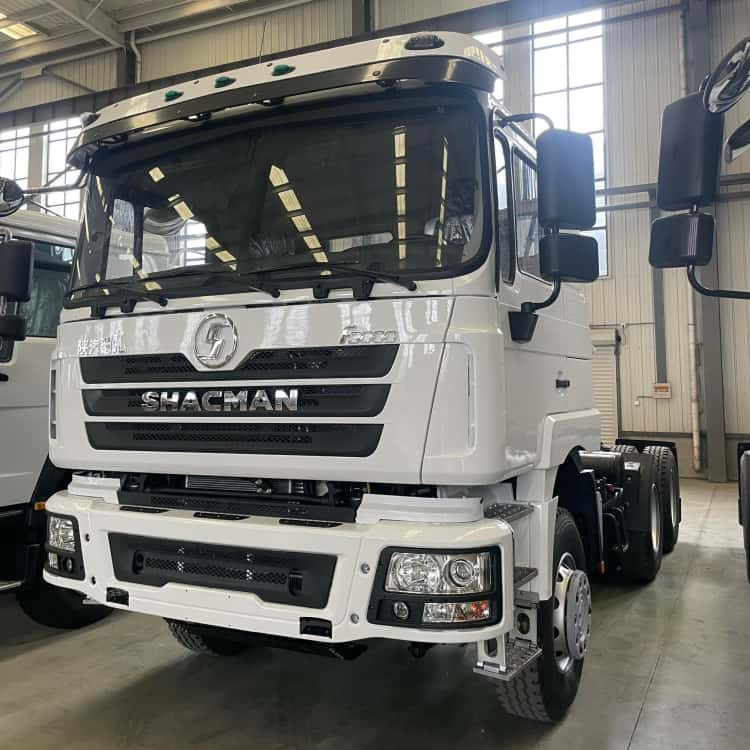
REMAN ROAD heavy reman trucks fill the flexible, variable portions of the fleet profile. They can be deployed for pilot routes, seasonal demand spikes, satellite site work, short-term contracts and replacement of failing legacy assets. Their lower TCO and shorter lead times let the fleet scale up quickly without locking excessive capital into assets that may not be needed permanently.
When new truck supply chains stall or order backlogs stretch out, heavy reman trucks stock acts as an immediate operational buffer, preventing capacity shortfalls that would otherwise threaten contract delivery. This dynamic is the core risk-hedging benefit of the hybrid model.
Balanced Mix Smooths Cash Flow And Mitigates Budget Shocks
A 100% new-truck fleet creates lumpy, massive capital outlays when renewal cycles cluster. A fleet built entirely on heavy reman trucks faces faster turnover and more frequent repeat procurement cycles. The hybrid strategy spreads capital spending across both asset classes.
Fleet managers can schedule new truck purchases during high-margin periods and deploy heavy reman trucks when budget is constrained. This balanced expenditure profile protects the balance sheet, avoids over-leveraging and makes multi-year financial forecasts far more consistent. TCO modelling becomes simpler when each asset type is assigned to the duty cycle that matches its economics.
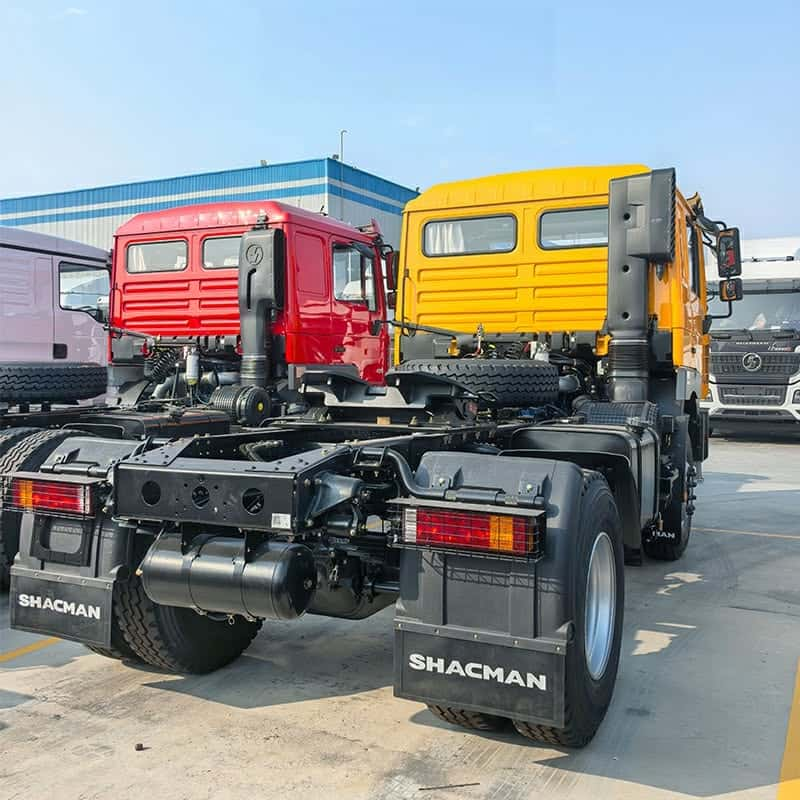
Interchangeable Standardised Specs Keep Maintenance And Training Complexity Low
The hybrid strategy works best whenheavy reman trucks are built to unified benchmark specs aligned with the new truck fleet’s service logic. If heavy reman trucks builds share common service intervals, diagnostic workflows and core component standards with the new fleet, technicians do not need to maintain entirely separate repair playbooks.
Parts inventory can be rationalised, driver rotation remains seamless, and KPI dashboards can compare performance across both asset groups. Without this standardisation, a mixed fleet can become a maintenance burden; verified heavy reman trucks eliminates this friction and makes the hybrid model practical.
Diversified Supply Chain Risk Reduces Vulnerability To Single-Source Disruption
Relying exclusively on new trucks exposes the fleet to factory shutdowns, import delays, component shortages and price hikes from OEMs. Relying only on heavy reman trucks carries its own risks, such as regional core availability limits. By blending both sources, the fleet diversifies its supply pipeline.
If new truck deliveries are delayed, pre-ordered verified heavy reman trucks batches can fill gaps. If usable core supplies tighten temporarily, planned new truck orders can take a larger share of upcoming renewal slots. This dual-source structure hedges against supply shocks that would cripple a single-asset fleet.
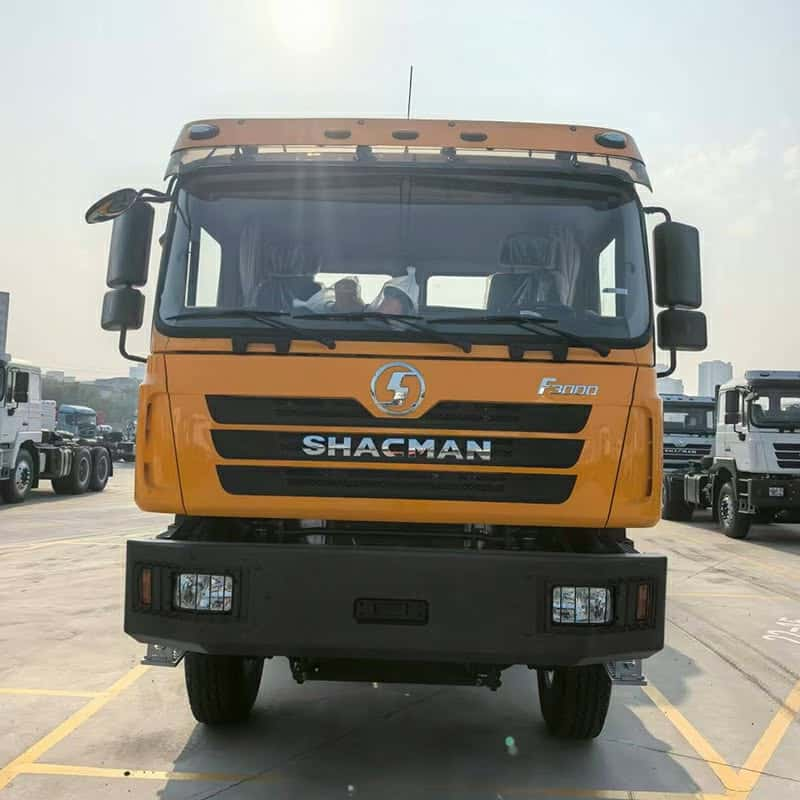
Conclusion: Hybrid Fleet Mix Turns Reman And New Trucks Into A Coordinated Risk Hedge
The hybrid fleet strategy is not simply running new and verified heavy reman trucks side by side. It is a deliberate risk management framework that assigns each asset type to the work it is best suited for. New heavy trucks anchor long-duration core production, while benchmarked REMAN ROAD heavy reman trucks deliver flexible, fast, capital-light capacity.
Together, they smooth cash flow, diversify supply risk and give fleet leaders room to adjust capacity as market and project conditions shift. For mining and haulage operators navigating volatile supply chains and uncertain demand, this blended approach offers a balanced path to stable, cost-effective fleet performance.