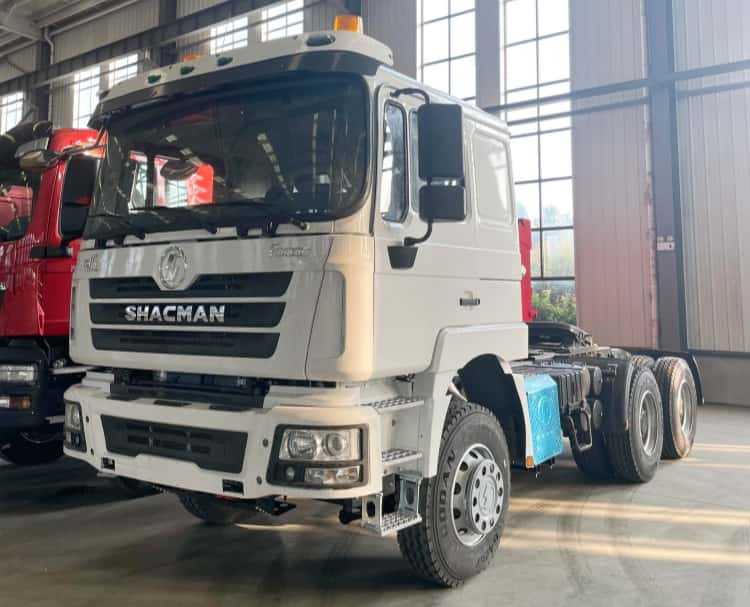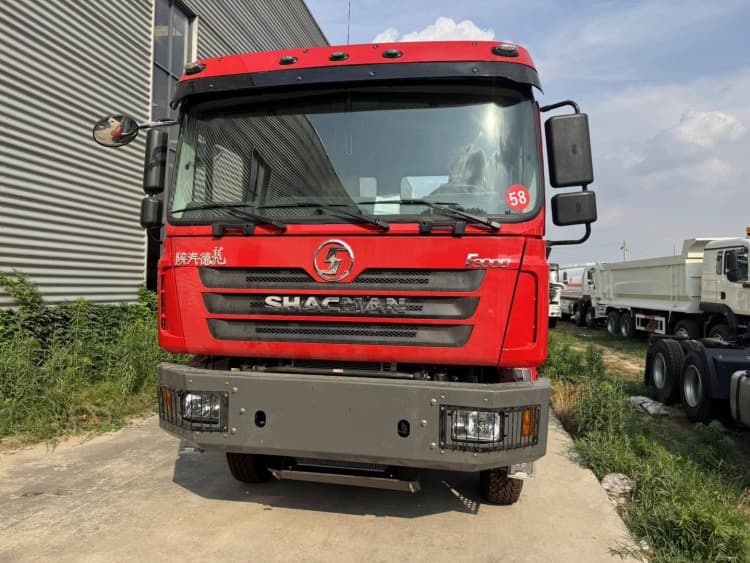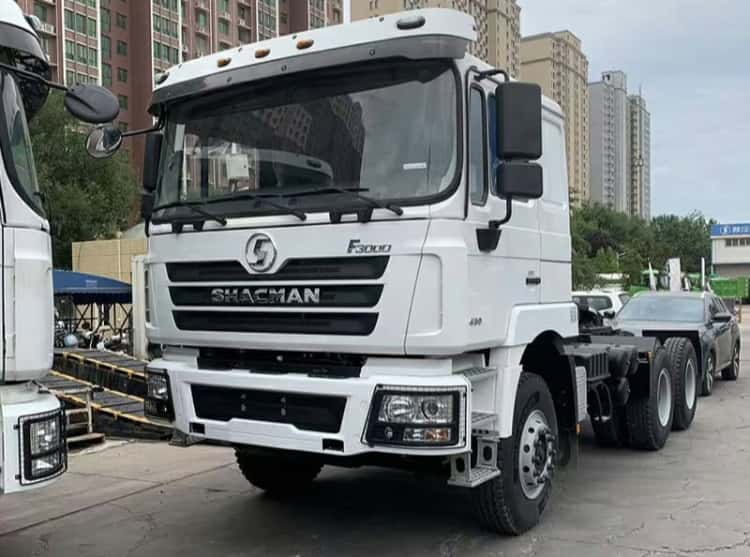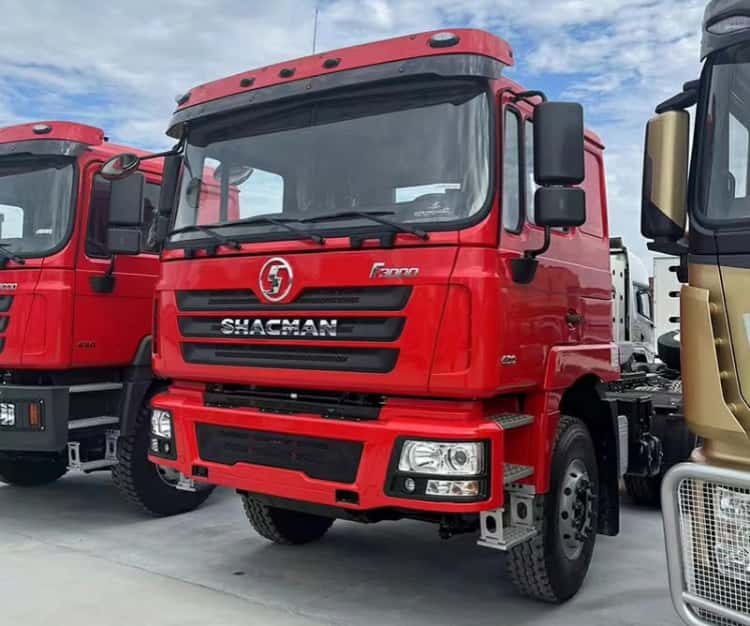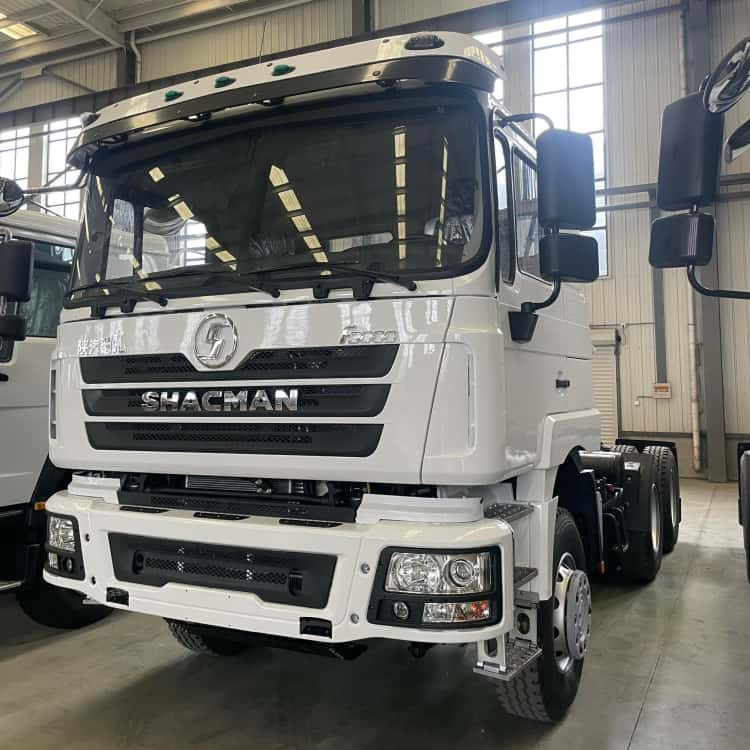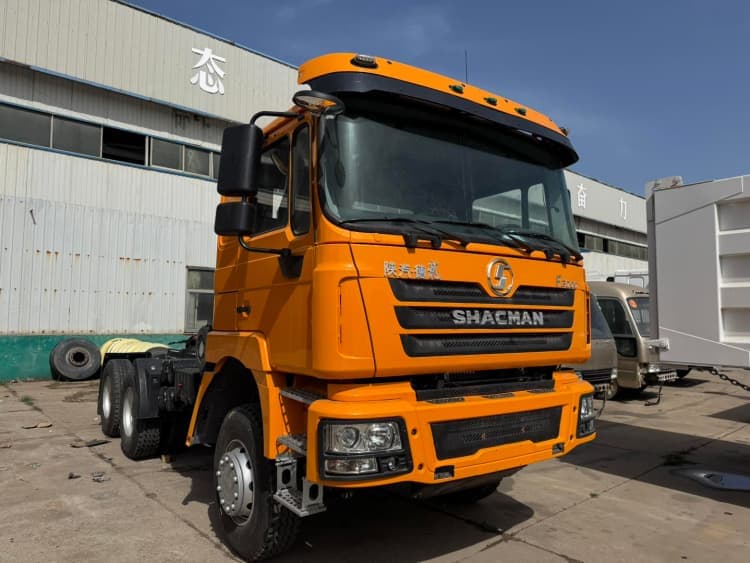
Mid-Term Project Fleet Procurement: New vs Remanufactured Truck Trade-offs
Intro
Mid-term project fleets face a unique procurement dilemma. These contracts typically run two to four years — long enough to need reliable performance, yet too short to fully amortise the high cost of a brand-new truck. Every trade-off between new and standard remanufactured trucks hits cash flow, delivery schedule and end-of-project asset recovery. The decision hinges on matching the asset’s service life to the project timeline rather than simply chasing the newest equipment.
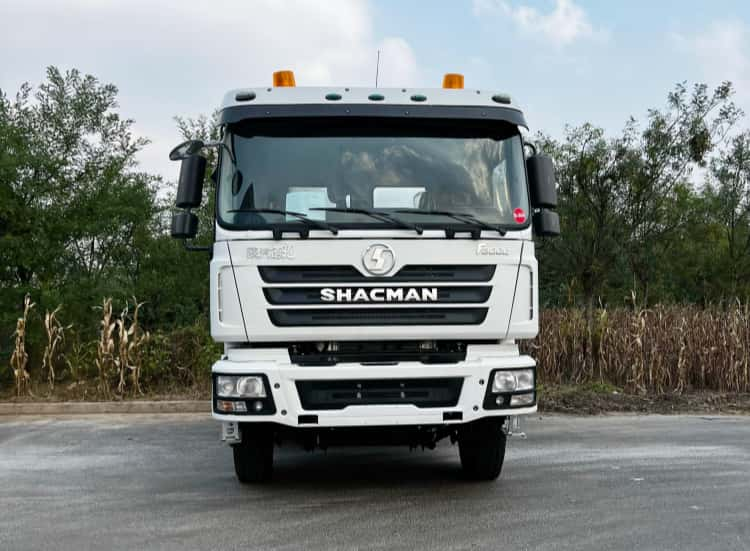
Upfront capital and financing pressure
New heavy trucks demand substantial principal and high down payments. For mid-term jobs, tying up large credit lines can restrict funds for fuel, labour, site mobilisation and contingency. Certified standardized remanufactured trucks deliver equivalent hauling capacity at a much lower entry price. Monthly financing or lease payments are lighter, preserving working capital for day-to-day site operations. This matters especially for contractors paid on milestone progress payments.
Depreciation loss at project handover
New trucks suffer steep initial depreciation immediately after delivery. By the end of a 3-year project, a large portion of the purchase value is already lost, even if the truck has many years of service left. Benchmark standard remanufactured trucks have already passed that sharp depreciation cliff. Their value declines at a slower, more predictable rate. When the project concludes and assets are resold, the fleet’s net capital loss is far more manageable.
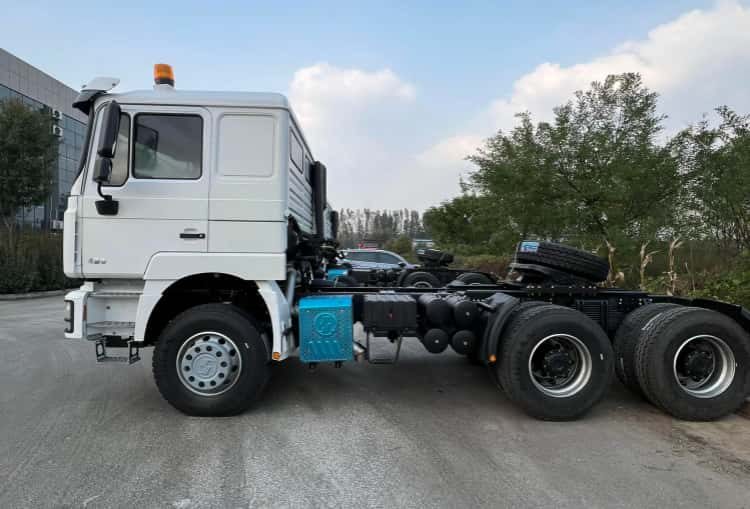
Lead time and mobilisation risk
New OEM orders often come with multi-month lead times, which can clash with tight tender start dates. Delays in truck delivery push back production and risk contract penalties. Standardized remanufactured truck relies on pre-qualified core inventory and repeatable reman workflows. Lead times are compressed, so fleets can mobilise capacity quickly to meet mid-term project kick-off schedules.
Performance, maintenance and warranty differences
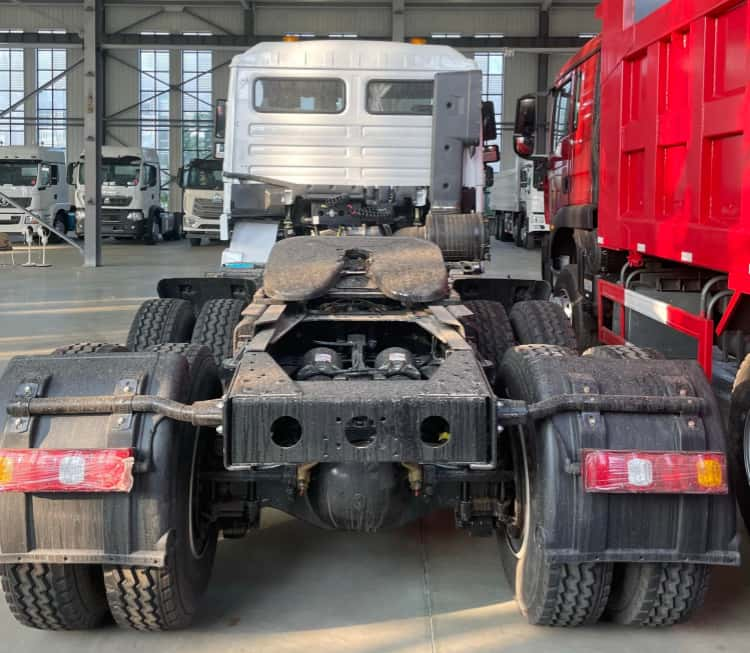
New trucks carry full factory warranty and the latest OEM specifications, with minimal maintenance surprises in the first years. But routine service and replacement parts carry OEM premium pricing. REMAN ROAD industrial remanufactured truck follows OEM-aligned tolerances, NDT screening and pre-delivery load testing, with a dedicated supplier warranty covering rebuild defects. Uptime remains stable for the mid-term campaign, while scheduled service costs are generally lower than new OEM service packages.
Residual value and exit flexibility
Mid-term projects require a clear exit plan. New trucks have broad resale appeal, but the high starting price creates bigger downside if market conditions shift. Certified industrial remanufactured truck with complete serialised documentation has predictable resale liquidity among other project haulers. The fleet can reliably forecast recovery value and build that into the original TCO model.
Final takeaway
For mid-term project procurement, new trucks offer factory warranty and latest specs but carry heavy upfront cost and painful early depreciation. Certified industrial remanufactured truck balances reliable uptime, lower financing burden, faster delivery and gentler depreciation, making it a cost-effective fit when you only need the asset for a defined multi-year haul campaign.