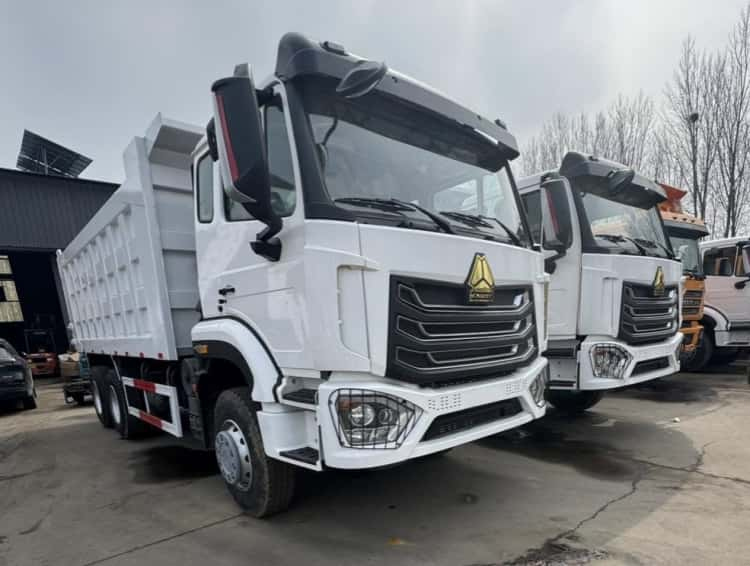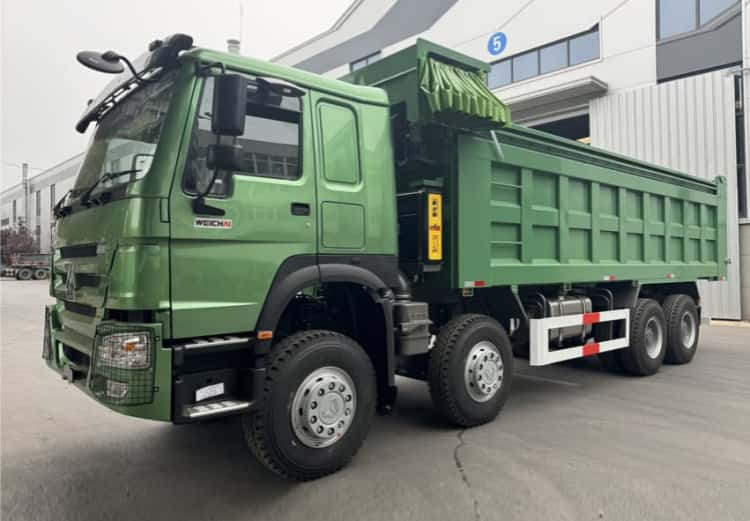
How Unified Reman Standards Reduce Cross-Border Misclassification Risk?
Introduction
Cross-border trade in heavy remanufactured vehicles has long been tangled by inconsistent customs definitions. One country may classify a certified heavy remanufactured vehicles as a new vehicle; another treats it as a used second-hand asset; some regulators confuse it with overhauled or refurbished machinery. Misclassification triggers unexpected tariff surcharges, import permit rejections, cargo detention at ports, confiscation and lengthy audit delays.
Without a shared technical baseline, importers and customs officers rely only on seller declarations and superficial visual checks. The REMAN ROAD unified reman standards establishes auditable, repeatable technical proof that separates certified reman assets from new, ordinary second-hand, overhauled or refurbished trucks. This consistent technical foundation directly mitigates cross-border misclassification risk.
Resolving definition ambiguity with standardised technical criteria
Most classification disputes stem from vague terminology. Customs codes do not always have a dedicated “heavy remanufactured vehicles” category. In many jurisdictions, officials default to two simple buckets: new goods or pre-owned goods. Refurbishment, partial overhaul and true remanufacturing are lumped together under second-hand imports.
The REMAN ROAD unified reman standards framework defines remanufacturing by verifiable technical gates rather than marketing labels: full disassembly, mandatory NDT screening, component grading rules, controlled part replacement and end-of-line bench validation. These objective, documented technical steps distinguish certified reman from simple repair or cosmetic reconditioning.
Exporters can submit the full VIN-linked dossier to demonstrate that the asset has undergone a lifecycle reset process, not just routine maintenance. This gives customs a neutral, engineering-backed reference instead of subjective judgement.
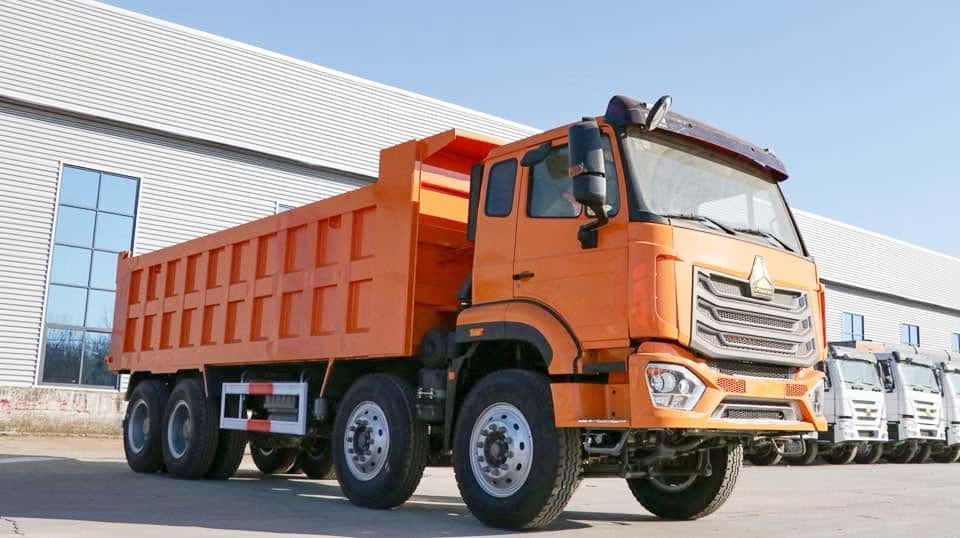
Standardised documentation package for customs audit
Misclassification often happens because supporting documents are fragmented, inconsistent or impossible to verify. Sellers of informal refurbished trucks typically provide only basic invoices and export declarations, with no build records. When challenged by customs inspectors, there is no way to prove the scope of rebuild work.
Under REMAN ROAD unified reman standards, every shipment-ready asset carries a fixed set of cross-border documentation:
- Core acceptance and disassembly checklist
- Full NDT test reports for structural and powertrain components
- Component grading log (reusable / repairable / scrap)
- Dyno, hydraulic and brake bench test data
- Build conformity statement aligned with the unified reman standard
- Unique VIN traceability ID linking all records
This uniform dossier is structured to be interpretable by regulators in different countries. Instead of each vendor creating its own custom proof format, customs teams see the same set of evidence for every certified reman truck. This reduces discretionary classification decisions.
Separating reman from second-hand used vehicles at the point of inspection
Many import restrictions target second-hand heavy vehicles, limiting age, mileage or banning used truck imports entirely. Certified heavy remanufactured vehicles can qualify for different import treatment — but only if the difference can be proven.
A used truck retains its original accumulated fatigue, wear history and remaining service life as-is. A REMAN ROAD certified heavy remanufactured vehicles has its critical load-bearing components inspected, defective parts scrapped, and performance reset to a defined baseline through formal technical workflows.
The standard makes this distinction auditable. Inspectors can cross-check whether mandatory quality gates were completed. If the dossier confirms full disassembly, NDT screening and bench validation, the asset is not merely a pre-owned truck with minor repairs. This evidence supports classification under the reman definition where local customs provisions recognise such a category.
Aligning technical evidence with tariff and import regulation
Tariff liability depends heavily on classification. Misclassify a certified heavy remanufactured vehicles as ordinary second-hand: it may attract prohibitive used-vehicle import duties, age restrictions or entry bans. Misclassify it as brand-new: it may trigger higher new-goods tariffs and compliance requirements the asset was never designed to satisfy.
Unified reman standards create a stable middle ground. The technical record demonstrates the asset’s true nature: built from qualified cores, reset through controlled reman workflows, validated against fixed performance thresholds. Importers and customs brokers can pre-submit REMAN ROAD conformity files for advance ruling from customs authorities. Advance rulings lock in classification before shipment, avoiding costly surprises once cargo arrives at the border.
Reducing inconsistent interpretation across multiple destination markets
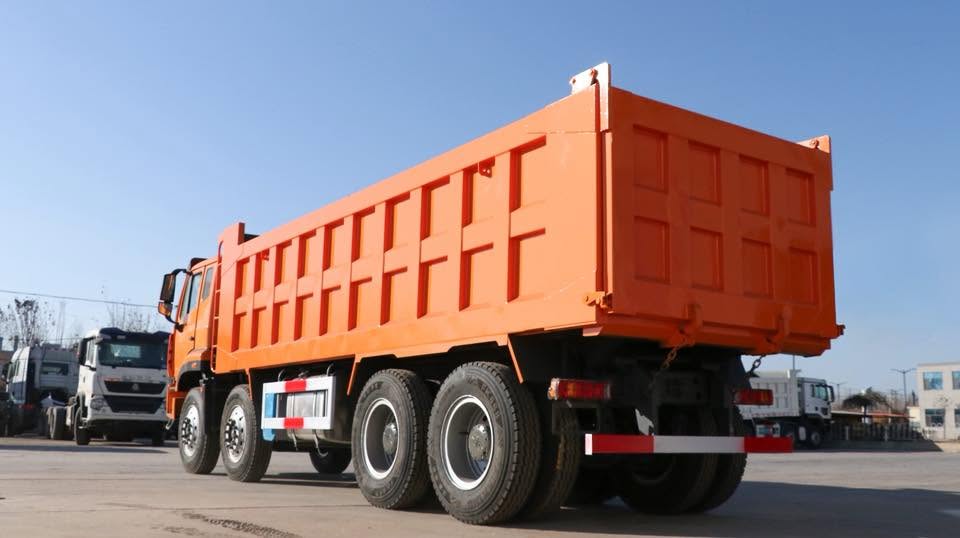
Fleet operators trading across several countries face the worst risk: the same heavy remanufactured vehicles may be classified differently at every port. An exporter sending units to multiple African and Central Asian nations previously had to adapt declarations and supporting paperwork for every regulator, with no common benchmark. Each customs officer applies their own understanding of “rebuilt” or “reconditioned”.
REMEN ROAD serves as a shared cross-market technical benchmark. Regulators familiar with the standard use the same set of pass/fail gates to evaluate each unit. This harmonises interpretation across borders, simplifies multi-destination fleet procurement and cuts the administrative burden for cross-border fleet groups.
Minimising fraud risk that leads to blanket regulatory crackdowns
Unverified “reman” labels damage the whole trade category. When informal vendors pass lightly overhauled second-hand trucks off as heavy remanufactured vehicles, customs authorities often respond by tightening controls for all goods labelled “remanufactured”. Entire supply chains face blanket scrutiny, longer inspection times and higher rejection rates.
A unified reman standards creates a verifiable benchmark to filter fraudulent claims. Customs can quickly identify assets lacking mandatory NDT records, grading logs or bench test certificates. This protects legitimate certified reman shipments from being penalised alongside low-quality refurbished goods, preserving market access for compliant suppliers and fleet buyers.
Supporting ESG and carbon documentation alongside customs clearance
Many modern border and tender regimes now review sustainability claims alongside commodity classification. Remanufacturing’s carbon-saving benefit only holds weight if the rebuild process is standardised. The REMAN ROAD dossier includes auditable carbon reduction calculations tied to the rebuild scope. This dual-purpose documentation supports both customs classification reviews and ESG compliance checks for buyers bidding on green or donor-funded projects. It combines trade compliance and sustainability evidence into one traceable package.
Common misclassification scenarios mitigated by unified reman standards
- Scenario 1: Customs treats heavy remanufactured vehicles as banned old used vehicles → Mitigated by full technical proof of lifecycle reset
- Scenario 2: Vendor-only declaration with no supporting test data → Mitigated by standardised, auditable test dossiers
- Scenario 3: Different border officers reach conflicting conclusions on the same shipment → Mitigated by consistent, published quality gates
- Scenario 4: Fraudulent “reman” cargo triggers port-wide inspection crackdowns → Mitigated by clear, objective certification criteria to separate compliant units
Closing
Cross-border misclassification risk thrives on ambiguous definitions, fragmented documentation and subjective visual assessment. REMAN ROAD Unified reman standards replace guesswork with objective, repeatable technical evidence: proof of full disassembly, mandatory NDT screening, formal component grading and end-of-line performance validation.
For exporters, customs brokers and fleet operators buying heavy remanufactured vehicles across Africa, Central Asia and other emerging markets, this shared benchmark stabilises tariff classification, reduces port detention, lowers rejection risk and protects the legitimate cross-border reman trade ecosystem.