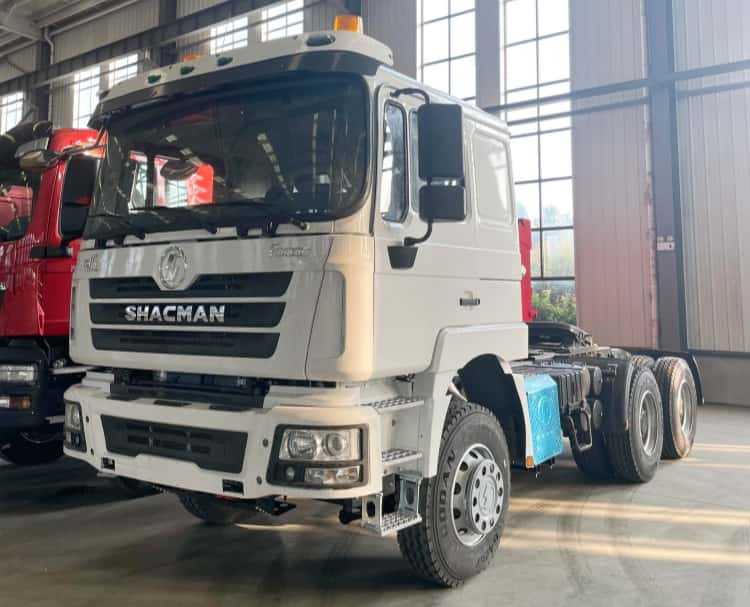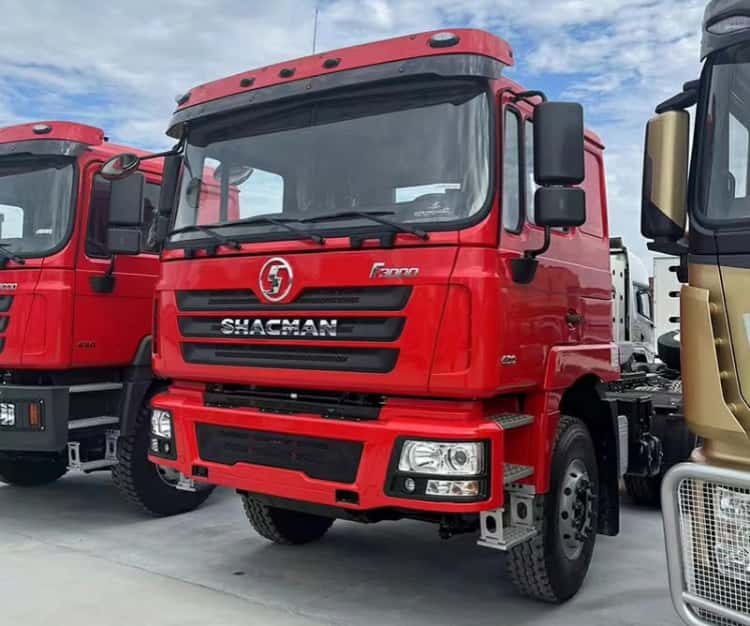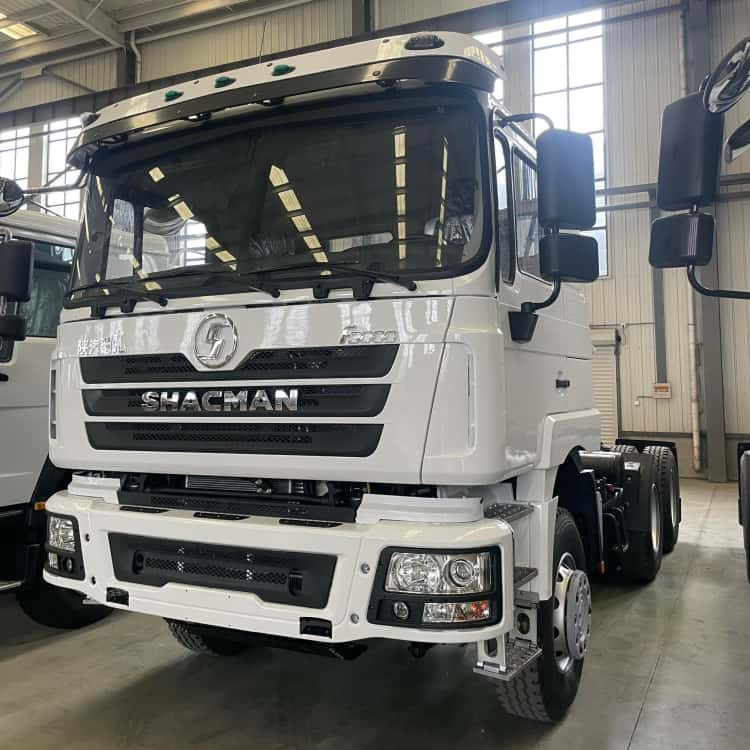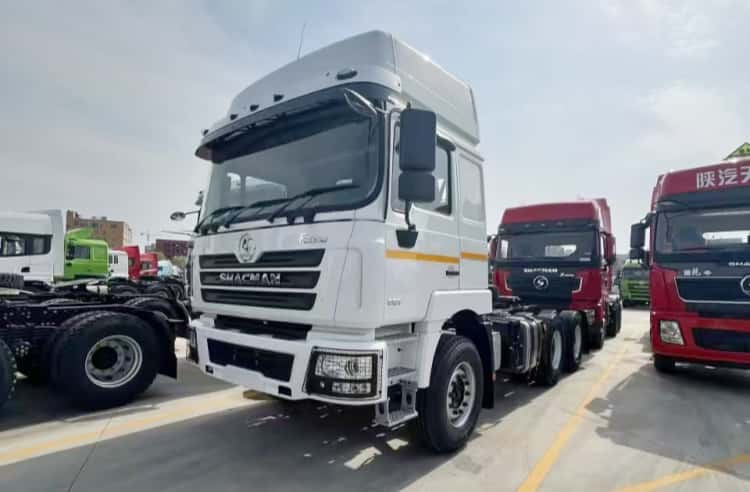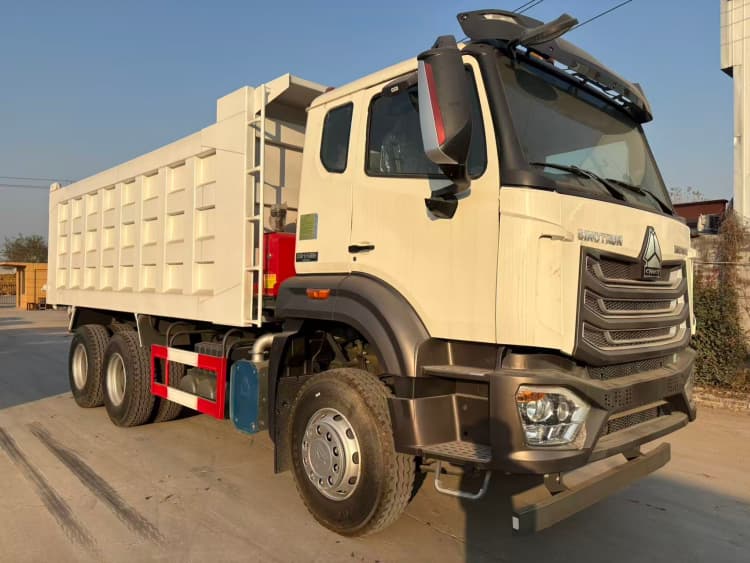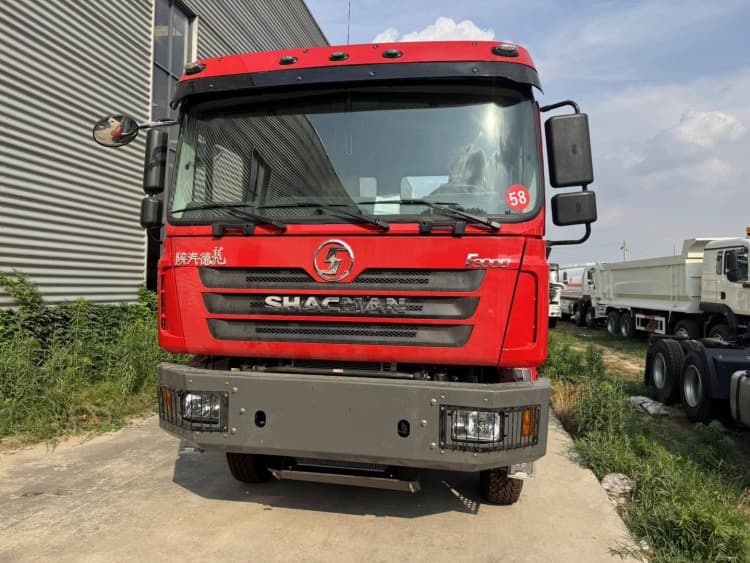
Framework Agreement + Batch Orders: Stabilizing Multi-Year Reman Heavy Truck Supply
Introduction
Long-term fleet renewal plans often suffer from supply volatility: fluctuating core availability, shifting component costs, inconsistent rebuild quality and unpredictable lead times make it hard to lock in reliable reman heavy truck delivery over multiple years.
A framework agreement with batch call-off orders solves this tension. It defines fixed quality benchmarks, pricing rules, warranty terms and reserved production capacity upfront, while letting fleets trigger staggered batch deliveries aligned with their renewal schedule, project timelines and budget cycles. This hybrid model removes the risk of one-off spot buying, without forcing the fleet to accept rigid, all-or-nothing bulk delivery.
Locked Benchmark Specifications Eliminate Quality Drift Across Multi-Year Batches
One hidden risk of multi-year reman heavy truck procurement is gradual quality drift. Without a formal governing framework, successive individual orders may slip to looser rebuild standards, alternate component grades or different testing protocols as suppliers adjust to part shortages.
The framework agreement codifies the full reman benchmark: NDT requirements, component acceptance criteria, dynamometer testing, documentation standards and traceability rules. Every batch released under the framework must conform to this single baseline. Even when orders are spaced months or years apart, each reman heavy truck arrives built to identical technical rules, so fleet KPI modelling, technician training and maintenance schedules remain consistent.
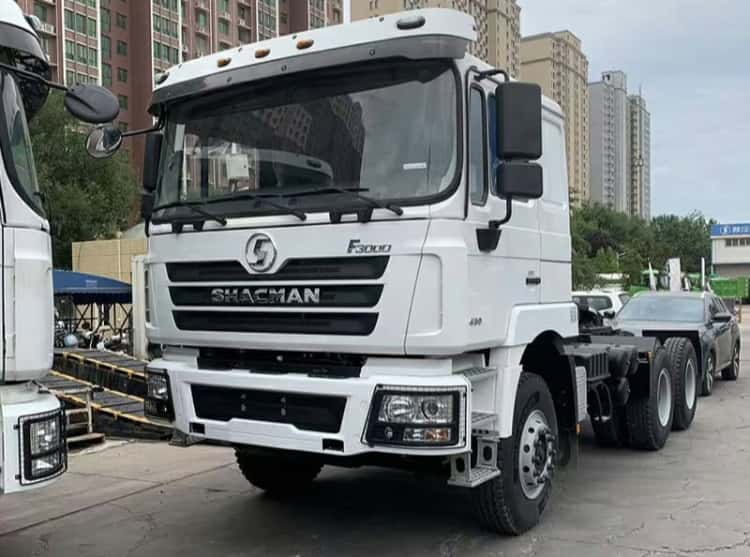
Reserved Rebuild Capacity Protects Against Core And Workshop Bottlenecks
Remanufacturing output is constrained by usable core stock, workshop bays and skilled rebuild labour. During peak demand cycles, spot buyers are pushed to the back of the queue and face extended lead times. Under a framework agreement, the remanufacturer reserves dedicated capacity for the fleet’s planned batches.
The remanufacturer can proactively source, inspect and stage cores ahead of each call-off, rather than scrambling to locate suitable cores once an urgent order lands. This pre-planned core pipeline insulates the fleet from regional core shortages, component supply shocks and seasonal workshop backlogs over the full contract term.
Phased Batch Call-Off Aligns Deliveries With Budget, Fleet Rotation And Project Needs
Unlike a single bulk purchase that requires full capital commitment and immediate asset intake, batch ordering under the reman benchmark framework lets the fleet control timing and volume. Managers can schedule batches to match annual budget approvals, phase renewal plans, mine ramp-up schedules or contract start dates.
If operational forecasts shift, the framework can include pre-defined flexibility clauses to adjust batch quantities within agreed limits. This balances supply certainty with commercial agility, avoiding idle capital from premature truck delivery and preventing capacity gaps from delayed asset arrival.

Stabilised Pricing Rules Reduce Exposure To Inflation And Component Volatility
Multi-year procurement is vulnerable to swings in steel, lubricant, bearing and hydraulic component pricing. A well-structured framework agreement embeds transparent pricing formulas: fixed base rates, capped escalation clauses, scheduled price review windows and volume discounts for committed batches.
Both sides avoid constant re-negotiation on every new order. The fleet gains predictable TCO forecasting, while the remanufacturer receives enough demand visibility to plan raw and component purchasing efficiently. This reduces adversarial haggling and keeps the focus on quality and delivery performance.
Clear SLA, Audit And Liability Terms Apply Uniformly To All Batches
Each standalone reman order requires repeated negotiation of acceptance testing, warranty start dates, non-conformance rectification and penalty clauses. With a framework, all service-level obligations, pre-shipment inspection protocols, audit rights and liability boundaries are agreed once. The same acceptance checklist, warranty coverage and remediation process apply to every batch.
When a unit fails post-delivery, the fleet and remanufacturer follow pre-agreed resolution workflows, rather than debating contractual terms after an issue emerges. This lowers administrative friction and supports consistent compliance reporting for site, tender and ESG requirements.

Conclusion: Framework + Batch Ordering Creates Balanced Long-Term Reman Supply Security
Framework agreements set the stable rules, reserved capacity and quality baseline; batch call-offs deliver the timing flexibility fleets need for multi-year renewal. Combined, they eliminate the worst pain points of spot reman heavy truck procurement: variable quality, uncertain lead times, volatile pricing and reactive core hunting.
For mining, haulage and site fleets executing rolling fleet refresh plans, this model turns reman heavy truck supply from a periodic procurement risk into a controllable, predictable strategic pipeline.