Reman Howo Dump Truck NX vs TX : Which Configuration Fits Your Haulage Route?
Introduction
Many fleet buyers select reman Howo dump trucks without mapping the route profile first. Both REMAN ROAD reman Howo NX and reman Howo TX pass identical NDT structural screening, powertrain dyno testing and brake validation, with full traceable dossiers and formal warranty. The difference lies in their original chassis design, weight rating and traction geometry. Matching the model to your haul route reduces fuel waste, cuts chassis fatigue and preserves uptime over the contract lifecycle.
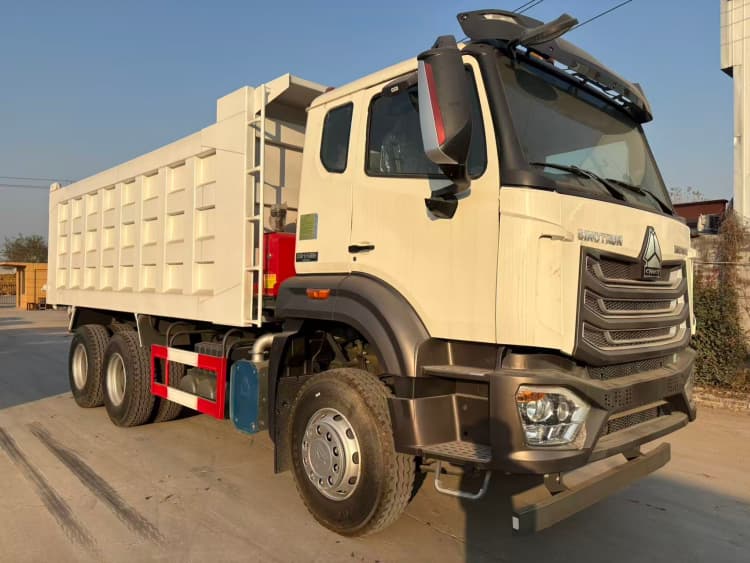
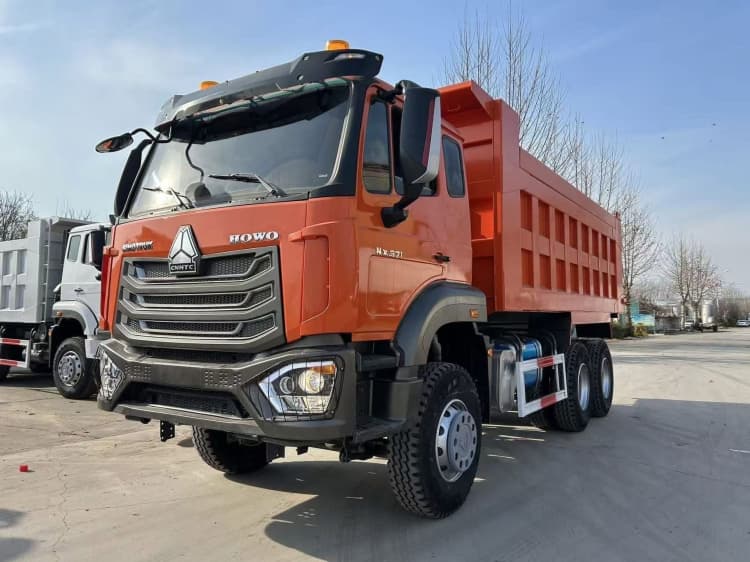
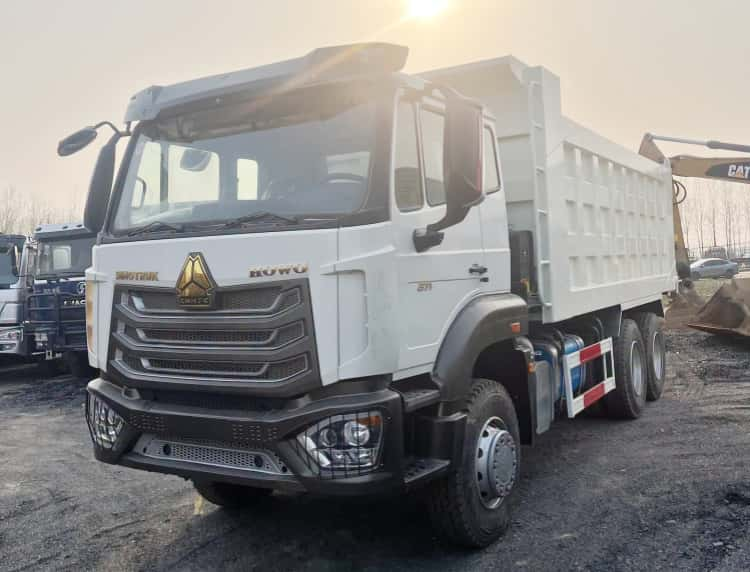
Reman Howo NX: Lightweight, balanced for mixed‑surface, moderate‑grade hauling
The Howo NX platform is engineered around lightweight optimisation. Its chassis uses high‑strength reduced‑weight steel, lowering curb weight while retaining certified structural integrity. As a REMAN ROAD reman Howo dump truck, every frame, axle and driveline component is reset to standard tolerance, so its lightweight advantage remains predictable and auditable.
NX is ideal for these route types:
- Urban earthworks, municipal spoil and aggregate runs combining paved highways, compacted gravel haul roads and short site access tracks
- Moderate gradients, consistent cycle lengths, repeated round‑trip transit between quarry and processing plant-to-moderate payload fleets prioritising fuel efficiency and lower rolling resistance
- Multi‑site fleets that move trucks between highway transit and lighter site work
Its trade-off: the lighter chassis is not designed for sustained, shock‑loaded operation on broken, rutted mine benches with repeated steep descents. On extremely rough, unmaintained tracks, NX will see faster suspension and frame fatigue than the TX.
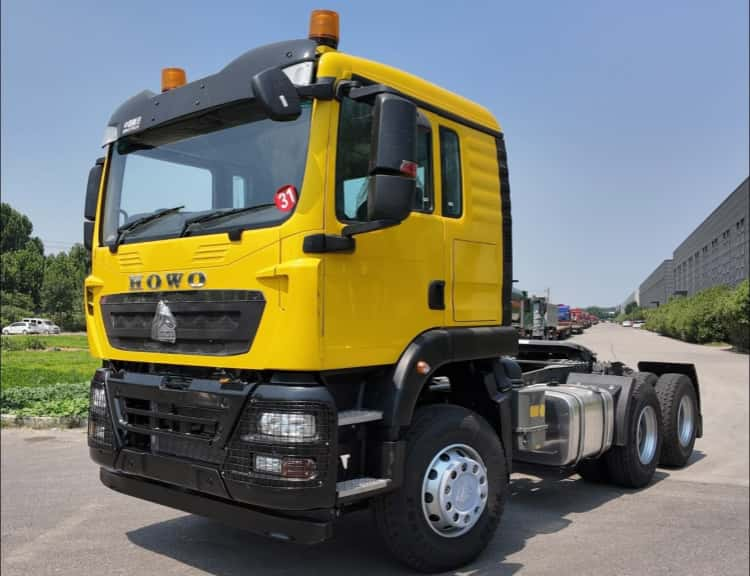
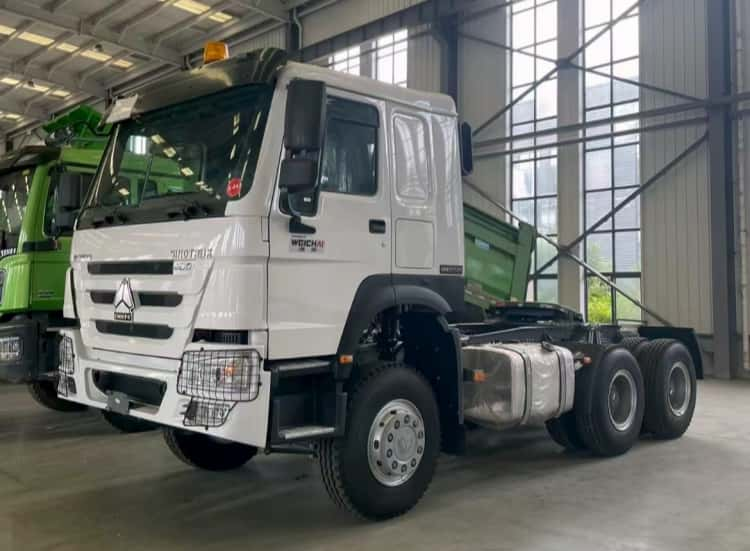
Reman Howo TX: Heavy-duty chassis for mining, steep grades and unimproved terrain
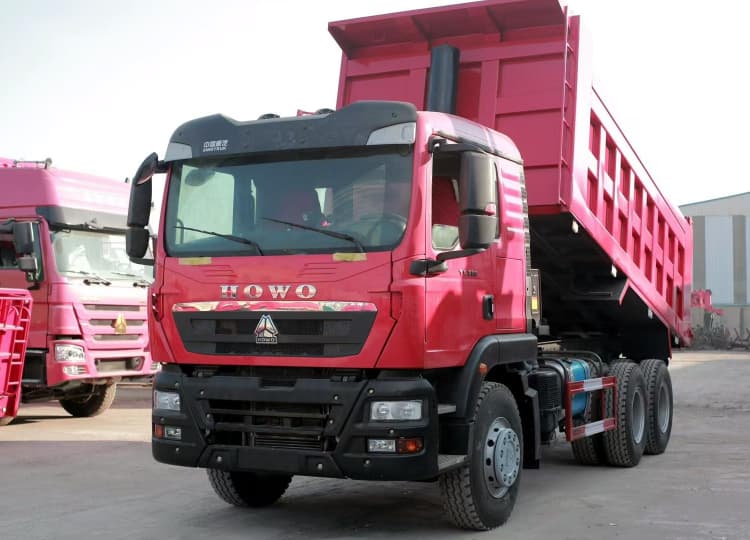
TX is the heavier, reinforced engineering chassis, built for continuous high‑load site cycles. The double-layer reinforced frame, heavy-duty suspension and higher ground clearance are tuned for constant impact loading on ungraded mine tracks. REMAN ROAD reman Howo dump truck rebuild restores this heavy‑duty baseline, with NDT checks targeting high-stress crossmember and suspension mount points that receive the most punishment in mining.
NX suits these route profiles:
- Open pit mining, quarry benches, steep downhill haulage and uncompacted, rocky access roads
- Long site-only cycles, minimal highway transit, high shock and vibration exposure
- Maximum payload hauling where every trip pushes the chassis to its design limit
- Remote cross-border mining sites with limited workshop support, where robust, forgiving mechanicals reduce breakdown risk
The TX trade-off is higher curb weight. On paved highway transit, it consumes more fuel than NX. It is not inefficient, but it is purpose-built for site durability rather than road economy.
Side-by-side route selection guide
- Route: Highway + compacted gravel, moderate slopes, aggregate / spoil transport → Reman Howo NX
- Route: Pit bench, rocky rutted tracks, steep sustained grades, full payload mining → Reman Howo TX
- Route: Mixed fleet with both road transit and occasional heavy pit work → split fleet: NX for transit runs, TX dedicated to pit-only hauling
- Short‑term earthworks contract with city access and short site haul → NX
- Fixed-term mining contract with no paved haul road → TX
Shared REMAN ROAD reman guarantees for both models
Both REMAN ROAD reman Howo dump trucks follow the same quality rules: full disassembly, calibrated NDT fatigue screening, bench-tested engine and gearbox, brake cycle validation, traceable component logs and standardised service intervals. The rebuild quality baseline is identical. The decision is not about which one is “better built”, but which chassis geometry matches the punishment of your route.
Conclusion
Reman Howo NX is the economical, lightweight choice for mixed‑surface haulage with moderate terrain. Reman Howo TX is the heavy‑duty workhorse for unimproved mine tracks, steep grades and continuous shock loading. By aligning the model with your route profile, you protect residual value, stabilise fuel spend and reduce unplanned downtime on site.