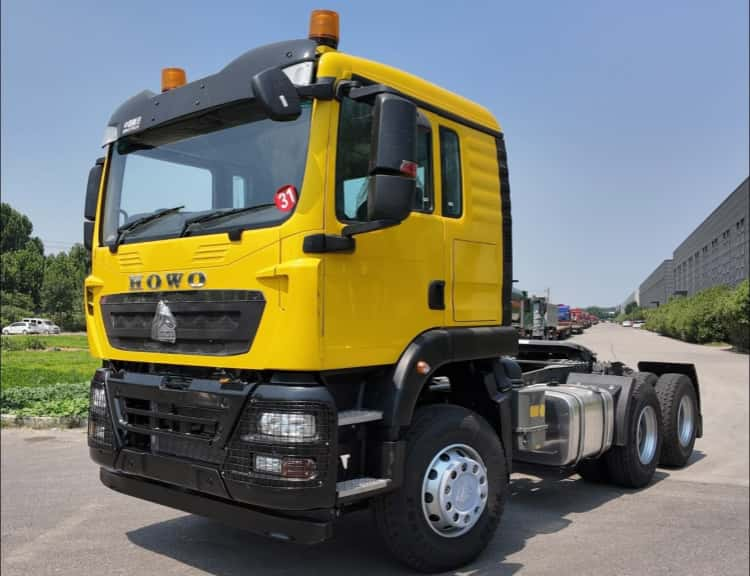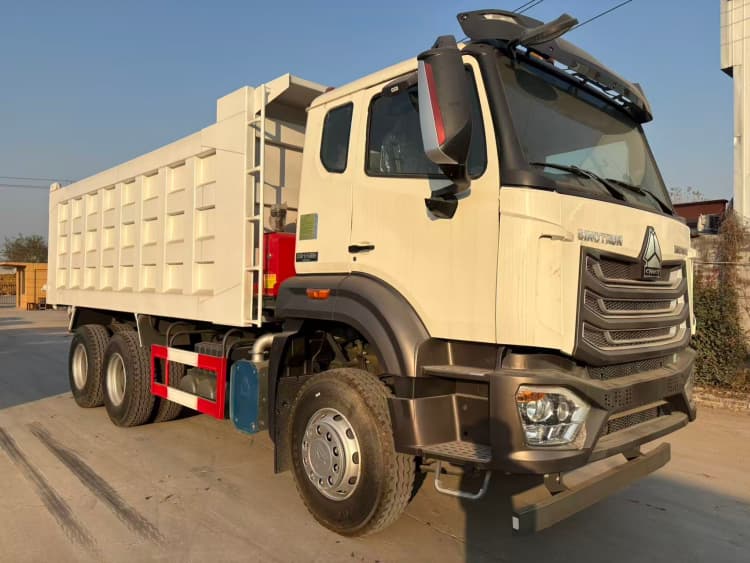
Reman Howo NX Dump Truck: Chassis NDT, Axle Housing & Frame Renewal Guide
Intro
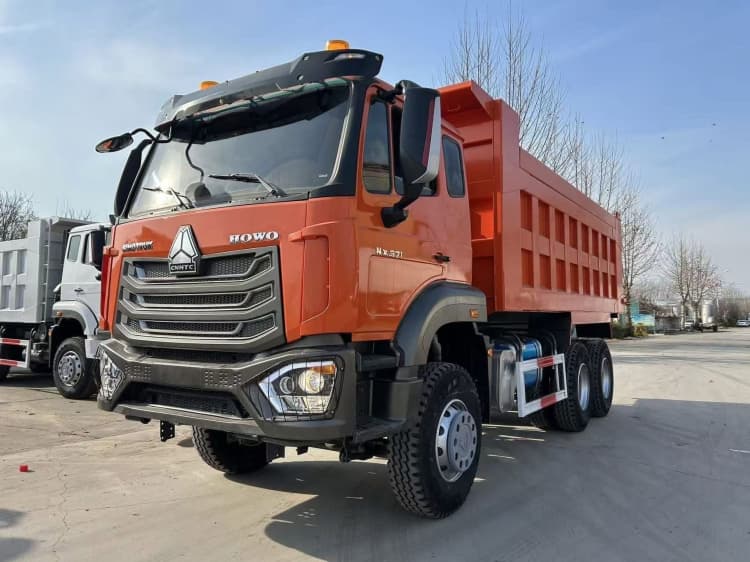
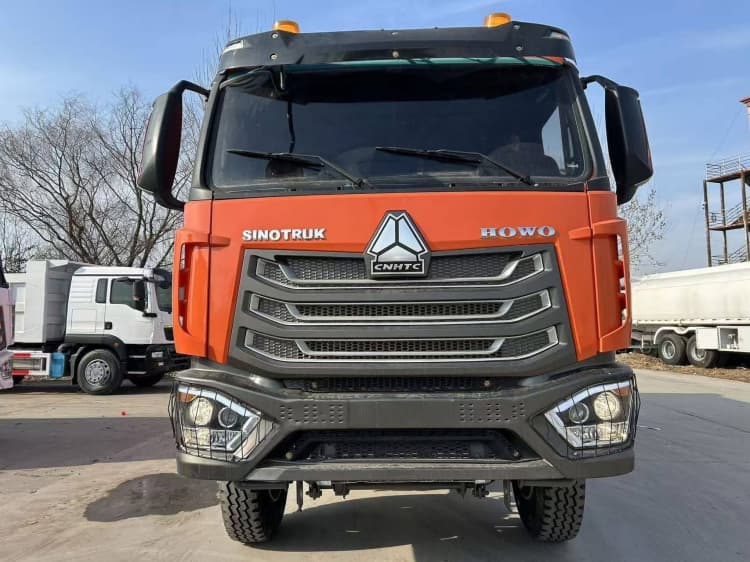
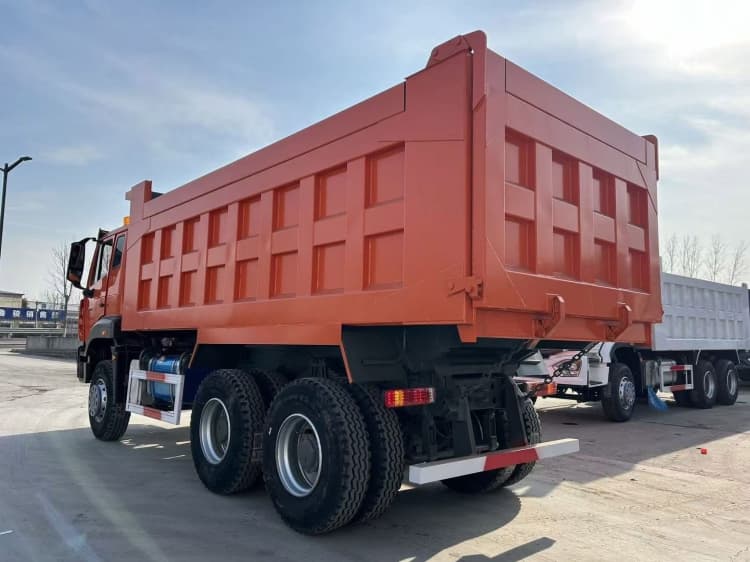
The Sinotruk Howo NX dump truck is built for punishing off-highway cycles: quarry hauling, mine site bulk transport and construction earthworks. Unlike highway tractors, dump truck chassis absorb repeated shock loading, uneven ground impact and cyclic overload stress. Over time, hidden fatigue, corrosion and microcracks develop in frame rails, crossmembers and axle housings — defects that simple visual checks cannot catch.
Under the REMAN ROAD certification standard, chassis structural work is not cosmetic touch-up. Reman Howo NX dump trucks follows a fixed truck reman workflow: full disassembly, deep cleaning, targeted NDT scanning, corrosion mapping, controlled frame straightening or renewal, axle housing inspection and post-repair re-verification. Every measurement and test result is logged to the unit’s VIN quality log for third-party audit. This guide focuses on the three most critical structural gates: chassis NDT inspection, axle housing qualification and frame renewal rules for certified reman Howo NX dump trucks.
Chassis NDT inspection scope and hotspot zones
Howo NX dump truck frames carry concentrated stress at predictable hotspot locations. REMAN ROAD truck reman workflow requires combined magnetic particle inspection (MT) and ultrasonic testing (UT) for all load-bearing welds and high-stress zones, rather than spot-check sampling.
Priority scanning areas include spring hanger brackets, bogie mount connections, crossmember welds, kingpin support points, frame rail transition sections and the joint between main frame and subframe. These locations are where fatigue cracks most often initiate under repeated off-road impact. Surface pitting is mapped and graded; pitting depth exceeding the published threshold triggers component rejection, even if no active crack is found.
All NDT technicians must hold ISO 9712 Level 2 qualification. Test parameters, defect dimensions, location photos and pass/fail decisions are permanently attached to the VIN record. Any frame or axle housing with propagating cracks outside the permitted weld repair envelope is scrapped, not patched.
Axle housing inspection and acceptance standards
The MCP16ZG pressed axle housing fitted on Howo NX dump trucks is the backbone of rear-load capacity. Axle housing failure is one of the most dangerous and costly failures on mine sites. During REMAN ROAD truck reman workflow , each axle housing is fully stripped, cleaned and inspected before reassembly.
First, technicians check for deformation, thread damage, seal groove wear and corrosion thinning. Next, full NDT covers the axle tube-to-housing circumferential welds, spring seat bosses and differential housing flange. Linear indications and porosity are measured against fixed defect limits. Small, non-propagating surface marks may be accepted; any crack extending into the weld root or heat-affected zone results in immediate scrapping of the housing.
If the housing passes NDT, dimensional checks confirm flange runout, journal concentricity and mounting face flatness. Press-fit and threaded surfaces are measured for wear. Failed housings are replaced with certified cores or new OEM-spec units, not repaired by unapproved welding. After reassembly, the complete axle undergoes bench leak testing and pre-load validation before powertrain mating.
Frame straightening and renewal rules
Not all bent frames can be straightened. REMAN ROAD applies strict frame straightness tolerances for the Howo NX ladder frame, which uses 300 mm high-strength U-profile rail construction. Laser measurement captures linear deviation, twist and local buckling.
Minor, elastic deformation within tolerance can be cold-straightened, followed by full NDT re-scan to confirm no new microcracks formed during the straightening process. If the frame has buckling, localized thinning, heavy corrosion or crack clusters that cannot be repaired within weld limits, the frame is marked for renewal. Frame renewal means fitting a qualified replacement core frame, which itself must complete the full NDT and corrosion-mapping workflow before certification.
Where structural weld repair is approved, only pre-qualified weld procedures are allowed. Repairs are restricted to defined low-stress zones; no weld build-up is permitted on the primary tension flange of the main rail. Every weld repair receives post-weld NDT and hardness verification to rule out brittle heat-affected zones.
Post-work validation and audit gate
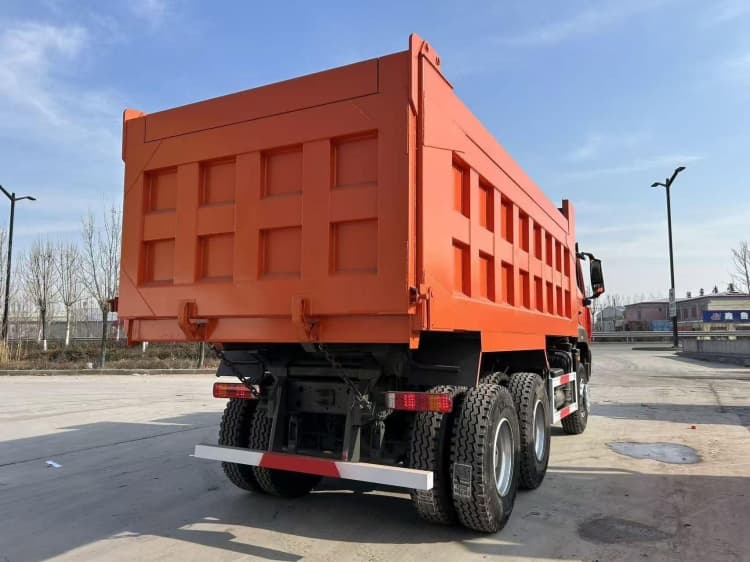
After NDT, axle housing acceptance and frame repair or renewal, the chassis moves to dimensional recheck and load-path verification. Suspension brackets, mounting points and fastener holes are checked for alignment. All fasteners are torqued to the Howo NX service specification in the correct sequence.
Before the truck moves to powertrain and cabin assembly, the structural package is reviewed by an independent third-party auditor. Auditors spot-check NDT reports, dimensional logs and repair records. Non-conformities such as undocumented frame modifications or unapproved axle welds must be closed and retested. The unit cannot enter final assembly until the structural audit sign-off is complete.
Important guardrail
Even a fully certified reman Howo NX dump truck has fixed duty classification limits. This platform is approved for bulk off-highway haulage, but repeated sustained overload, rock impact and skipping pre-trip chassis inspections will accelerate fatigue. NDT and frame renewal reset the asset’s structural baseline, but they do not create unlimited load capacity. Dispatch teams must match payload and route intensity to the published duty envelope.
Final Takeaway
For reman Howo NX dump trucks, chassis NDT, axle housing screening and frame renewal are the foundation of site safety and long uptime. For buyers, the key takeaway is simple: cosmetic refurbishment hides structural risk; REMAN ROAD’s structural inspection and renewal standard ensures the chassis can withstand the punishing cyclic loading that defines dump truck operation.